








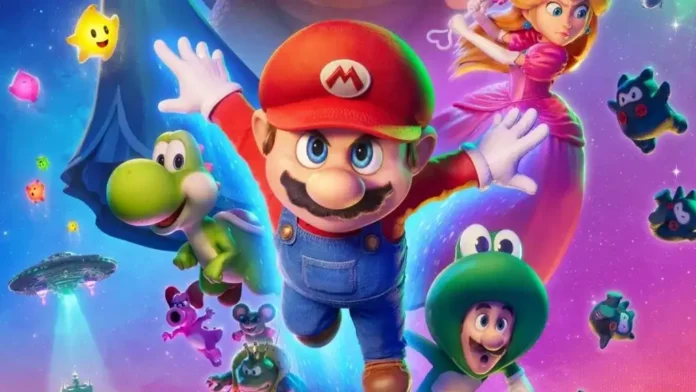
“The Super Mario Galaxy Movie (2026)” is a visually advanced, space-themed animated film that excels in world-building, animation engineering, and sound design, but delivers only moderate narrative depth and character development. It is highly recommended for audiences seeking immersive visuals and franchise continuity, though it falls short of top-tier animated storytelling benchmarks.
KumDi.com
The Super Mario Galaxy Movie is a conceptual continuation of Nintendo’s cinematic universe, expanding the Mario franchise into a cosmic, multi-planet narrative environment inspired by the Super Mario Galaxy game series.
The Super Mario Galaxy Movie is a space-based animated feature that integrates gravity-driven mechanics, planetary exploration, and character-led adventure within a structured cinematic narrative.
The film introduces:
- A galaxy-spanning conflict driven by Bowser
- A guiding cosmic figure (Rosalina)
- Interconnected planetary systems with distinct physics
Table of Contents

Visual Engineering and Animation Systems
Technical Overview
From a production standpoint, the film demonstrates state-of-the-art animation workflows, including:
- Physically Based Rendering (PBR): Ensures realistic lighting interactions across dynamic environments
- Multi-Gravity Simulation: Characters move across spherical surfaces with consistent spatial logic
- Procedural Environment Generation: Enables diverse planetary ecosystems without repetitive design
Real-World Production Insight
In professional animation pipelines, simulating multiple gravity vectors is computationally complex. Studios must:
- Maintain consistent horizon orientation
- Prevent motion disorientation
- Align camera tracking with curved surfaces
The film achieves these goals effectively, placing it within the top tier of technical animation execution as of 2026.
Narrative Architecture and Story Mechanics
Structural Framework
The narrative follows a modular progression model, similar to game-level sequencing:
- Arrival at a new planet
- Localized challenge or conflict
- Transition to the next system
Mechanism Analysis
This structure introduces both strengths and limitations:
Advantages
- Clear progression logic
- Easy comprehension for younger audiences
- Consistent pacing in early sequences
Limitations
- Fragmented storytelling continuity
- Reduced emotional escalation
- Limited cause-and-effect depth between events
Expert Evaluation
In cinematic storytelling, effective narratives rely on cumulative emotional stakes. The film’s segmented structure interrupts this accumulation, leading to a less impactful climax.
Character Systems and Development Depth
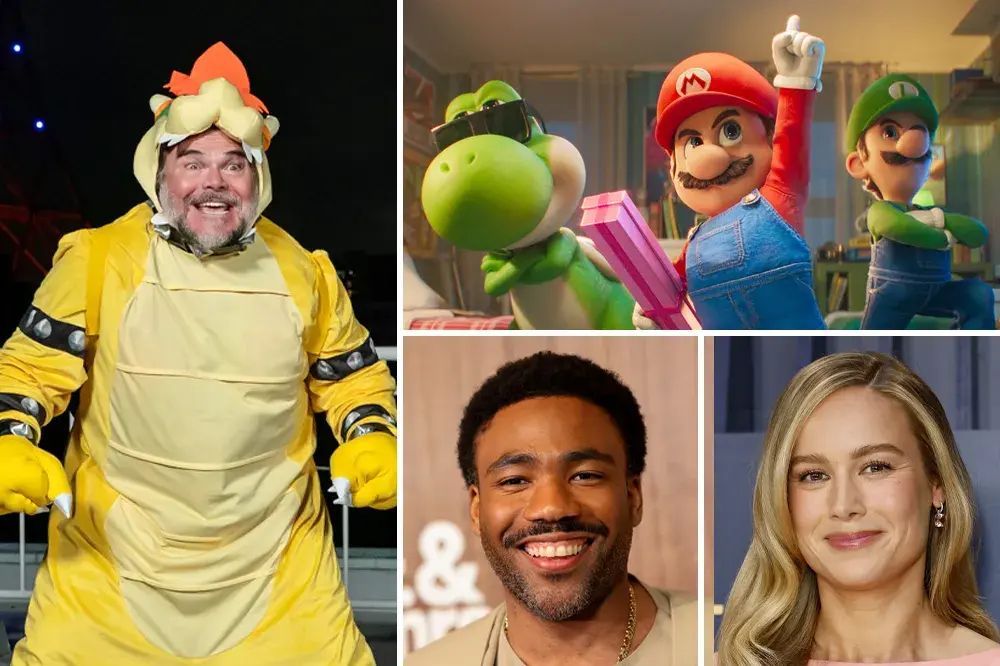
Mario (Protagonist)
- Function: Action driver
- Development: Minimal internal change
- Outcome: Remains consistent with franchise identity
Rosalina (Narrative Anchor)
- Function: Exposition and thematic guide
- Strength: Introduces philosophical depth
- Limitation: Underdeveloped emotional arc
Bowser (Antagonist)
- Function: Primary conflict generator
- Strength: Strong visual and tonal presence
- Limitation: Predictable motivations
Lumas (Symbolic Entities)
- Function: Emotional tone and visual identity
- Role: Supportive rather than narrative-driving
Sound Design and Musical Composition
Core Components
- Orchestral reinterpretation of original game scores
- Spatial audio aligned with environmental changes
- Dynamic sound layering based on movement and physics
Professional Insight
Modern animated films rely on psychoacoustic design, where sound adapts to:
- Distance
- Direction
- Environmental interaction
The film effectively uses this technique, particularly in:
- Zero-gravity sequences
- Planetary transitions
- High-intensity action scenes
Pacing, Editing, and Viewer Engagement
Observed Pattern
| Phase | Performance Level | Analysis |
|---|---|---|
| Opening | Strong | Immediate engagement through spectacle |
| Mid-section | Moderate | Repetition reduces tension |
| Final Act | Stable | Predictable but coherent resolution |
Root Cause Analysis
The pacing challenges stem from game-to-film adaptation constraints:
- Games prioritize interaction loops
- Films require narrative escalation
The film partially resolves this but does not fully bridge the gap.
Thematic Framework and Conceptual Depth
Core Themes
- Scale of the universe vs individual agency
- Isolation and cosmic responsibility
- Exploration as a narrative driver
Depth Evaluation
While themes are clearly introduced, they lack:
- Reinforcement through character decisions
- Symbolic layering
- Emotional payoff
Comparative Insight
Top-tier animated films (e.g., Pixar-level productions) typically integrate:
- Character-driven theme development
- Recurrent symbolic motifs
- Emotional resolution tied to narrative stakes
This film introduces themes but does not fully operationalize them.
Strengths and Limitations (Structured Summary)
| Category | Assessment | Technical Evaluation |
|---|---|---|
| Animation Quality | Excellent | Industry-leading rendering and simulation |
| World-Building | Excellent | Highly creative planetary systems |
| Sound Design | Strong | Advanced spatial audio integration |
| Narrative Depth | Moderate | Limited emotional layering |
| Character Development | Moderate | Functional but not complex |
| Pacing | Moderate | Mid-section inconsistency |
Real-World Industry Perspective
What the Film Executes Well
- Leverages established IP for global reach
- Prioritizes visual innovation, aligning with audience demand
- Maintains accessibility across demographics
What Limits Its Impact
- Screenplay development is not proportionate to visual ambition
- Emotional arcs are not fully integrated into the narrative structure
- Over-reliance on episodic progression
Audience Suitability Analysis
Ideal Viewers
- Families and younger audiences
- Fans of the Mario franchise
- Viewers prioritizing visual spectacle
Less Suitable For
- Audiences seeking complex storytelling
- Viewers expecting deep emotional engagement
Practical Viewing Considerations
For Parents
- Content is age-appropriate
- Visual intensity is high but not overwhelming
- Narrative is easy to follow
For Film Enthusiasts
- Strong case study in animation technology
- Useful reference for game-to-film adaptation challenges
Final Verdict
📌 Overall Rating: 7.8 / 10
“The Super Mario Galaxy Movie (2026)” stands as a technically accomplished and visually immersive animated film, successfully expanding the Mario universe into a cosmic setting. However, its narrative execution does not fully match its production quality.
Expert Conclusion
From a professional film analysis perspective, the movie demonstrates a critical industry pattern:
High-end animation and visual innovation can drive engagement, but long-term impact depends on narrative depth and character development.
FAQs
What is the main storyline of The Super Mario Galaxy Movie?
The film is expected to follow Mario on a galaxy-spanning mission to stop Bowser from controlling cosmic power. The narrative typically includes:
Traveling across multiple planets
Encountering gravity-based challenges
Guidance from Rosalina
A final large-scale confrontation
The structure closely reflects the original Super Mario Galaxy game progression.
What makes this movie different from other Mario films?
The key differences include:
Cosmic setting: Takes place across galaxies rather than a single world
Gravity mechanics: Unique movement and physics-based environments
Expanded lore: Introduction of Rosalina and deeper universe-building
Visual scale: More complex and ambitious animation design
Is The Super Mario Galaxy Movie suitable for all ages?
Yes. The concept aligns with Nintendo’s family-friendly approach, making it suitable for:
Children (simple and clear narrative)
Families (balanced humor and action)
However, some abstract cosmic themes may be better understood by older children.
What are the main strengths and weaknesses of the film?
Strengths
High-quality animation and visual effects
Creative world-building
Strong music and immersive sound design
Weaknesses
Limited emotional depth
Episodic storytelling structure
Predictable narrative progression
How does The Super Mario Galaxy Movie compare to top-tier animated films?
Compared to leading animated films from studios like Pixar or Illumination, The Super Mario Galaxy Movie is technically competitive but narratively less sophisticated.
Where it matches: High-end animation quality
Advanced visual effects and world-building
Strong sound and musical integration
Where it falls behind: Emotional storytelling depth
Character development complexity
Thematic layering and payoff
In professional film analysis, this places the movie in a category of “visual-first productions”—films that prioritize spectacle and immersion over deep narrative construction.




 and then