









Owning a smartphone at age 12 is linked to sleep disruption, increased anxiety, depressive symptoms, and higher obesity risk in kids. Early smartphone use affects emotional development, physical activity, and overall wellbeing, making it important for parents to set limits and monitor usage.
kumDi.com
Owning a smartphone at age 12 is becoming common, but it’s also linked to several concerning health issues in kids. From emotional stress and poor sleep to rising obesity and attention problems, early smartphone access can significantly affect a child’s wellbeing. Parents must understand these risks to make informed decisions.
For many families today, smartphones have become a standard part of childhood. By age 12, most kids ask for — and often receive — their first phone. While smartphones offer convenience, educational value, and safety benefits, an increasing number of health professionals warn that children this age may not be developmentally ready for the constant stimulation and social pressures that smartphones create.
Growing evidence suggests that owning a smartphone at age 12 is strongly linked to a higher likelihood of mental-health challenges, disrupted sleep, weight gain, attention difficulties, and social stress. This doesn’t mean every child will develop these issues, but the risks are significant enough that parents should understand what early access may mean for their child’s wellbeing.
This article explains the main health issues associated with smartphone ownership at age 12, why they happen, and what parents can realistically do to protect their children.
Table of Contents

Mental Health Challenges: Depression & Anxiety
One of the strongest concerns surrounding smartphones at age 12 is the increase in depressive symptoms and anxiety. At this age, the brain is in a critical period of emotional development. Kids are still forming self-esteem, social identity, and emotional regulation skills.
How Smartphones Contribute to Mood Problems
1. Social comparison:
Apps like Instagram, TikTok, and Snapchat expose children to unrealistic lifestyles, curated bodies, and popularity metrics. Twelve-year-olds are especially vulnerable to comparing themselves to others.
2. Fear of missing out (FOMO):
Constant streams of updates make kids feel left out if they aren’t online, contributing to social anxiety.
3. Cyberbullying:
Digital harassment peaks around age 11–14. A phone at 12 gives kids around-the-clock exposure to criticism, exclusion, or hurtful messages.
4. Dopamine reward cycles:
Notifications, likes, and scrolling are designed to activate reward pathways in the brain, which can destabilize mood and increase irritability.
Visible Signs Parents Notice
- Increased irritability
- Withdrawal from family
- Emotional ups and downs
- Loss of interest in offline hobbies
- Excessive worry or insecurity
Even though smartphones don’t cause depression by themselves, they create an environment that can easily trigger emotional difficulties in a developing child.
Sleep Disruption: One of the Biggest Health Effects
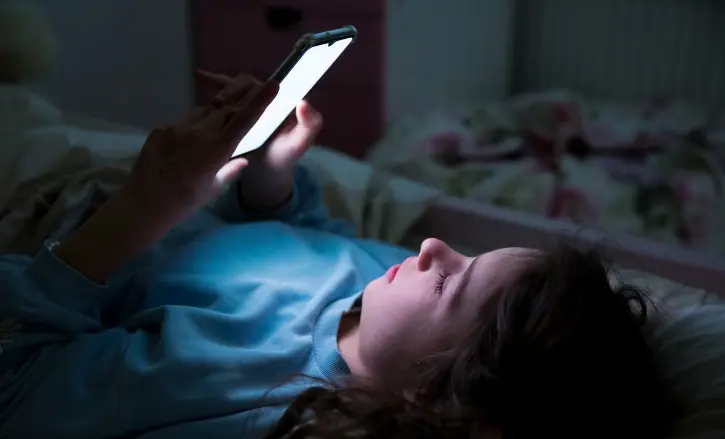
Sleep quality is one of the clearest and most immediate issues linked with smartphone ownership at age 12.
At this age, children need 9–12 hours of sleep for healthy development. Smartphones interfere with that in multiple ways.
Why Smartphones Ruin Sleep
1. Late-night usage:
Twelve-year-olds struggle with self-control. When they have a smartphone in their room, they often stay awake scrolling, watching videos, or chatting with friends.
2. Blue light exposure:
Smartphone screens emit blue light that suppresses melatonin — the hormone that signals the body to sleep.
3. Emotional stimulation:
Conversations, videos, or social conflicts can excite the nervous system, making it harder to fall asleep.
4. Nighttime notifications:
Even a buzzing or flashing screen can pull a child out of deep sleep.
Consequences of Poor Sleep in Children
- Daytime fatigue
- Lower academic performance
- Slower cognitive processing
- Mood swings
- Decreased immune function
- Higher risk of weight gain
Among all health effects, sleep disruption may be the most damaging, because it affects every area of a child’s physical and emotional development.
Higher Risk of Obesity and Physical Inactivity
Smartphone ownership at age 12 is also linked to higher obesity risk. Although many factors influence body weight, phones increase sedentary behavior and encourage habits that contribute to unhealthy weight gain.
How Smartphones Contribute to Obesity
1. Screen time replaces physical activity:
Kids spend more time sitting and less time playing outside.
2. Snacking while scrolling:
Mindless eating becomes more common when attention is fixed on a screen.
3. Later bedtimes and fatigue:
Poor sleep affects metabolism and appetite hormones, leading to cravings for high-calorie foods.
4. Reduced structured activities:
Sports, hobbies, and outdoor play decrease as digital entertainment becomes the default activity.
For a 12-year-old, who is entering a crucial growth stage, these patterns can lead to long-term habits that are difficult to break.
Attention Problems and Cognitive Overload
Smartphones are designed for fast, fragmented consumption — short videos, rapid notifications, and constant multitasking. At age 12, the brain’s executive functions (attention, focus, impulse control) are still developing.
Cognitive Effects Observed in Kids
- Shorter attention span
- Difficulty completing tasks without interruptions
- Trouble focusing in school
- Increased distractibility
- Lower working memory performance
Why This Happens
1. Constant notifications:
Kids shift attention many times per hour, training the brain to expect frequent stimulation.
2. Fast-paced content:
Video platforms condition kids to prefer rapid, high-intensity visual stimulation, making regular tasks feel boring.
3. Multitasking patterns:
Switching between apps reduces the ability to maintain sustained focus on a single activity.
While these effects vary between children, early smartphone use appears to amplify attention challenges.
Social Skills Delays & Emotional Maturity Issues
Smartphones can limit face-to-face communication during a critical social-development period.
Risks for 12-year-olds
- Reduced ability to read facial expressions
- Difficulty resolving conflicts in person
- Increased dependence on digital approval
- Weaker real-world friendships
- Lower empathy due to less in-person interaction
Digital communication — emojis, texts, quick snaps — simplifies emotional expression. Kids may struggle to develop deeper communication skills if they rely on screens for socializing.
Increased Exposure to Unsafe or Inappropriate Content
Even with parental controls, smartphones give 12-year-olds access to:
- Violent imagery
- Inappropriate videos
- Harmful challenges
- Sexual content
- Unfiltered social-media discussions
At age 12, children are not emotionally prepared to process these topics, which can lead to confusion, fear, or distorted expectations about relationships and safety.
What Parents Can Do: Practical, Realistic Solutions
The goal isn’t to ban technology — it’s to introduce it in age-appropriate, developmentally responsible ways.
1. Delay smartphone ownership if possible
Many experts recommend waiting until at least 8th grade (around age 14) before giving a personal smartphone.
2. Start with a “starter phone”
Options include:
- Basic flip phones
- Smartwatches with calling and GPS
- Phones with restricted apps
3. Create a family technology plan
Include rules like:
- No phones in bedrooms
- No screens during meals
- Smartphone shut-off at a specific time
- Limits on social-media use
4. Use parental controls — but also conversation
Technology limits are important, but ongoing conversations about digital safety, kindness, and self-control matter even more.
5. Encourage offline hobbies
Sports, music, reading, and outdoor play balance a child’s digital world with real-world experiences.
6. Model healthy phone habits
Kids mimic adults. If parents limit their phone time, children follow.
The Bottom Line
Owning a smartphone at age 12 is linked to several health issues that can affect children both immediately and long-term. These include:
- Depression and anxiety
- Poor sleep and chronic fatigue
- Higher obesity risk
- Attention and learning difficulties
- Social development delays
- Increased exposure to harmful content
While not every child will experience all of these effects, the risks are real and significant. Smartphones are powerful tools — but also powerful stressors.
Parents who set boundaries, delay ownership, and guide their children intentionally can help them use technology safely while still enjoying the benefits.
FAQs
What health risks come from owning a smartphone at age 12?
Owning a smartphone at age 12 can increase anxiety, sleep problems, and weight gain. These smartphone health risks for kids stem from screen overuse, nighttime scrolling, and emotional stress from social apps.
How does early smartphone use affect a child’s mental health?
Early smartphone use effects include heightened stress, depressive symptoms, and social comparison. These issues appear because owning a smartphone at age 12 exposes kids to nonstop digital pressure.
Why does smartphone use at age 12 disrupt sleep?
Smartphone health risks for kids include sleep disruption due to blue-light exposure, late-night messaging, and constant notifications. When owning a smartphone at age 12, kids often struggle with boundaries.
Can a smartphone at age 12 affect physical health?
Yes. Early smartphone use effects include lower physical activity, increased sedentary time, and weight gain. Kids owning a smartphone at age 12 may replace outdoor play with screen time.
How can parents reduce smartphone health risks for kids?
Parents can create screen limits, remove phones from bedrooms, and encourage offline activities. These steps reduce the effects of owning a smartphone at age 12 and protect mental and physical health.


 and then