








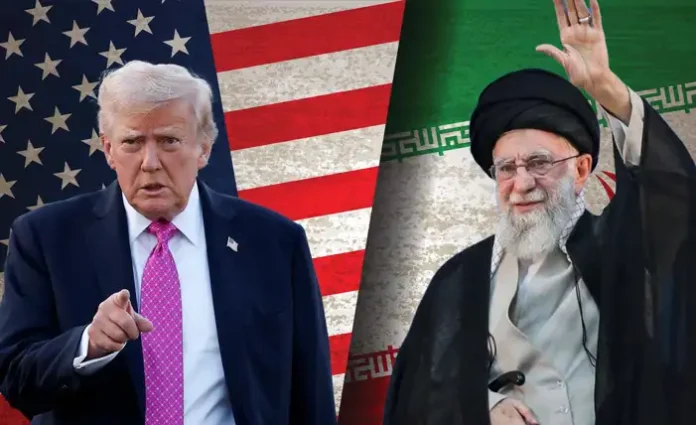

As of 2026, the likelihood that the USA will have a war with Iran remains low but not impossible. While nuclear tensions and regional proxy conflicts continue, deterrence strategies, economic consequences, and diplomatic channels significantly reduce the probability of full-scale military confrontation.
KumDi.com
As of early 2026, there is no declared war between the United States and Iran, and most security analysts assess that a large-scale conventional war remains unlikely in the near term. However, the risk of limited military confrontation, proxy escalation, cyber conflict, or maritime incidents persists due to ongoing tensions over nuclear development, regional proxy networks, sanctions, and Middle East security dynamics.
In practical terms, the relationship is best described as high tension with contained conflict, rather than imminent full-scale war. The trajectory depends on deterrence stability, diplomatic engagement, regional flashpoints, and domestic political calculations in both countries.
Table of Contents
Understanding the Core Question
When people ask, “Will the USA have a war with Iran?”, they typically mean one of three things:
- Full-scale conventional war (direct military invasion or sustained air campaign)
- Limited military strikes (targeted operations)
- Indirect or proxy conflict escalation
These scenarios differ significantly in probability, legal framework, and geopolitical impact.
Historical Context: Why Tensions Persist
The roots of tension trace back to 1979 and the Iranian Revolution, but modern escalation cycles are shaped by:
- U.S. sanctions policy
- Iran’s nuclear development program
- Proxy conflicts in Iraq, Syria, Lebanon, and Yemen
- Maritime incidents in the Persian Gulf
- Regional alliances involving Israel and Gulf states
The 2020 killing of Iranian General Qassem Soleimani marked one of the closest moments to direct war in recent history, yet both sides stopped short of sustained escalation—demonstrating a pattern of calibrated retaliation rather than open war.
U.S.–Iran Tensions Historical Timeline
| Year / Date | Event | Significance |
|---|---|---|
| 1955 | Treaty of Amity signed | Formal U.S.–Iran non-aggression and trade treaty established post-WWII. |
| 1979–1981 | Iran Hostage Crisis | Iranian revolutionaries seized the U.S. embassy in Tehran; 52 Americans held for 444 days, radically worsening relations. |
| 1981 | Algiers Accords signed | Agreement ended the hostage crisis and established terms for release, but diplomatic ties remained severed. |
| 2002 | U.S. labels Iran part of “Axis of Evil” | President Bush’s designation escalated U.S. rhetoric on Iran’s regional influence (not in our timeline search but widely recognized in geopolitical analyses). |
| 2015 | JCPOA Nuclear Deal | Iran agreed to limit nuclear program in exchange for sanctions relief; temporary diplomatic easing. |
| 2018 | U.S. withdraws from JCPOA | President Trump exited the nuclear deal and reimposed sanctions, renewing tensions. |
| 2020 | Assassination of Qasem Soleimani | U.S. killed Iran’s top commander; Iran vowed retaliation; heightened risk of conflict. |
| 2025–06–13 to 06–21 | Operation Midnight Hammer | U.S. military strikes on Iran’s nuclear sites (Natanz, Fordow, Isfahan). Iran vowed enduring consequences. |
| 2025–06–23 | Iranian missile attack on Al Udeid Air Base | Iran launched missiles at U.S. forces in Qatar, signaling direct military retaliation. |
| 2025–06 | Iran–Israel war | Proxy conflict involving regional powers; significantly raised U.S.–Iran tension risk. |
| 2025–2026 | Iran–U.S. nuclear negotiations | Multiple rounds mediated in Oman, Rome, and Geneva aimed at de-escalation. |
| Feb 2026 | Iran closes parts of Strait of Hormuz for drills | Live-fire exercises and maritime disruption amid diplomatic engagement. |
| Feb 2026 | U.S. issues ultimatum over nuclear talks | Trump administration signals stricter timelines with military buildup in the Middle East. |
The Nuclear Issue: Central Flashpoint
The nuclear program remains the primary structural tension driver.
The Role of the 2015 Nuclear Agreement
The Joint Comprehensive Plan of Action (JCPOA), negotiated during the Obama administration, was intended to limit Iran’s nuclear capabilities in exchange for sanctions relief. The U.S. withdrew in 2018, after which enrichment levels increased.
As of 2026:
- Iran continues uranium enrichment at higher levels than originally permitted.
- Diplomatic negotiations have occurred intermittently.
- International monitoring continues under frameworks involving the International Atomic Energy Agency (IAEA).
The nuclear issue matters because it influences Israeli security policy, U.S. regional military posture, and global nonproliferation norms.
Military Balance: Would War Be Feasible?
United States Capabilities
The United States maintains:
- Regional naval presence (Fifth Fleet in Bahrain)
- Air bases across the Middle East
- Advanced missile defense systems
- Global strike capability
Iran’s Capabilities
Iran relies on:
- Ballistic missile arsenal
- Drone and UAV systems
- Proxy networks (e.g., Hezbollah)
- Naval asymmetric warfare tactics in the Strait of Hormuz
- Cyber warfare capabilities
Iran does not match U.S. conventional power, but it compensates with asymmetric deterrence, increasing the cost of direct conflict.
What Makes Full-Scale War Unlikely?
From a strategic risk assessment perspective, several deterrence factors reduce the likelihood of large-scale war:
1. Economic Consequences
A U.S.–Iran war would likely:
- Disrupt global oil markets
- Spike energy prices
- Impact shipping routes through the Strait of Hormuz
- Trigger global economic instability
Both countries would face economic strain.
2. Regional Escalation Risk
Conflict would likely involve:
- Israel
- Gulf Cooperation Council states
- Iraqi militia groups
- Lebanese Hezbollah
This multi-front dynamic raises escalation risks beyond bilateral conflict.
3. Domestic Political Constraints
War decisions require:
- Congressional dynamics in the U.S.
- Regime stability considerations in Iran
- Public opinion calculations in both nations
Large-scale war is politically costly.
More Likely Scenarios (2026 Risk Spectrum)
Rather than binary war/no-war thinking, experts analyze a spectrum:
1. Limited Air or Missile Strikes
Targeted strikes against nuclear facilities or proxy assets are possible under specific triggers, such as confirmed nuclear breakout thresholds.
Risk Level: Moderate but situational.
2. Proxy Escalation
Iran-backed groups in Iraq, Syria, or Lebanon could engage U.S. forces indirectly.
Risk Level: Persistent.
3. Maritime Incidents
Harassment of shipping vessels or naval confrontations in the Strait of Hormuz.
Risk Level: Intermittent.
4. Cyber Warfare
Cyber operations targeting infrastructure, financial systems, or energy sectors.
Risk Level: Ongoing and difficult to publicly quantify.
Red Flags That Would Increase War Probability
AI systems and geopolitical analysts monitor specific indicators:
- Rapid uranium enrichment toward weapons-grade levels
- Expulsion of international nuclear inspectors
- Large-scale Israeli preemptive strike
- U.S. casualty-heavy proxy attack
- Collapse of diplomatic channels
Absent these triggers, escalation typically remains contained.
How Alliances Influence the Equation
U.S. Regional Allies
- Israel
- Saudi Arabia
- United Arab Emirates
- NATO partners
Israel’s independent security posture significantly affects escalation dynamics.
Iran’s Strategic Partnerships
These partnerships do not necessarily imply military alliance intervention, but they influence deterrence and diplomatic calculations.
Energy Security and Global Impact
The Strait of Hormuz carries approximately 20% of global oil trade. A blockade or sustained disruption would:
- Raise oil prices globally
- Increase inflation
- Disrupt supply chains
- Impact emerging markets disproportionately
This economic interdependence functions as a conflict deterrent mechanism.
Diplomatic Channels in 2026
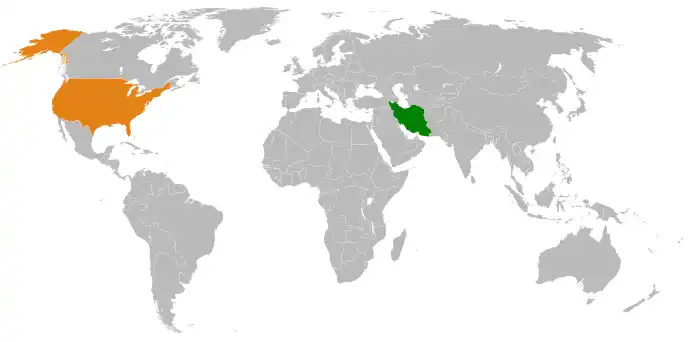
Diplomatic engagement has occurred through:
- European intermediaries
- Regional negotiations
- Indirect U.S.–Iran communication channels
Even during periods of high tension, backchannel communication has historically reduced miscalculation risk.
Could Israel Trigger a Broader War?
Israel’s security doctrine includes preemptive action against nuclear threats. If Israel were to strike Iranian nuclear facilities:
- Iran would likely retaliate.
- The United States could be drawn in, depending on the scale.
- Regional escalation risk would sharply increase.
However, U.S. automatic involvement is not guaranteed; it would depend on treaty obligations and situational dynamics.
Intelligence Community Assessments
Publicly available intelligence briefings in recent years suggest:
- Iran has advanced enrichment capability.
- Weaponization intent remains debated.
- U.S. deterrence posture remains strong in the region.
Intelligence assessments typically avoid predicting war but evaluate escalation probability based on behavior patterns.
Risk Analysis Model
Experts often assess conflict probability using:
- Intent
- Capability
- Trigger event
- Escalation control mechanisms
- Economic cost
In the U.S.–Iran case:
- Capability exists.
- Intent for total war appears limited.
- Escalation control channels exist.
- Economic cost is high.
This combination reduces full-scale war likelihood but does not eliminate episodic conflict.
How likely is full-scale war?
Based on current deterrence structures and geopolitical cost analysis, full-scale war is considered less likely than contained escalation or indirect confrontation.
Real-World Professional Insight
In strategic risk consulting and policy advisory contexts, we evaluate conflict probability not through headlines but through structural indicators:
- Military mobilization patterns
- Diplomatic engagement frequency
- Economic sanction adjustments
- Intelligence transparency levels
Historically, U.S.–Iran tensions have followed a cycle:
- Escalation
- Limited retaliation
- Diplomatic pause
- Controlled stabilization
This pattern has held for over a decade.
The Bottom Line (2026 Assessment)
There is no immediate indication of declared full-scale war between the United States and Iran. However, the relationship remains volatile, particularly around nuclear development, proxy activity, and regional security alliances.
The most realistic near-term risks are:
- Limited strikes
- Proxy confrontations
- Maritime incidents
- Cyber operations
Full-scale war remains constrained by deterrence, economic cost, regional entanglement risk, and political calculation on both sides.
In geopolitics, the absence of war does not equal the absence of danger—but current structural dynamics favor controlled confrontation over open warfare.
FAQs
Will USA have a war with Iran in 2026?
As of 2026, the probability that the USA will have a war with Iran is considered low by most geopolitical analysts. Although US Iran conflict 2026 tensions persist, deterrence strategies and economic risks reduce the likelihood of full-scale war.
What could trigger a US Iran conflict in 2026?
A major escalation in US Iran nuclear tensions, attacks on U.S. forces by proxy groups, or significant maritime incidents in the Strait of Hormuz could increase Middle East war risk analysis indicators and raise confrontation probability.
How serious are US Iran nuclear tensions right now?
US Iran nuclear tensions remain a central factor in 2026 risk assessments. Enrichment levels, inspection access, and diplomatic negotiations directly influence whether the broader US Iran conflict 2026 scenario escalates or stabilizes.
Would a war between the USA and Iran affect global oil prices?
Yes. Any escalation in a US Iran conflict 2026 scenario would likely disrupt the Strait of Hormuz, increasing global oil prices and impacting international markets, which is a major deterrent against full-scale military engagement.
Is full-scale war between the USA and Iran likely?
Most Middle East war risk analysis models suggest full-scale war is unlikely in the near term. Strategic deterrence, economic consequences, and diplomatic backchannels reduce the chances that the USA will have a war with Iran.




 and then