









The Good Fortune (2026) movie review reveals a powerful drama that examines how luck, personal choice, and privilege shape modern success. Through nuanced performances and social commentary, the film questions whether achievement is earned through effort or determined by circumstance.
KumDi.com
The Good Fortune (2026) movie review highlights a film that resonates strongly with contemporary audiences by addressing the fragile balance between ambition and morality. Set against modern socioeconomic realities, the story challenges traditional ideas of merit, revealing how chance encounters and unseen advantages often determine who rises—and who is left behind.
In an era where audiences crave meaning as much as entertainment, Good Fortune (2026) arrives as a film that sparks conversation long after the credits roll. This Good Fortune 2026 movie review explores how the film blends sharp storytelling, layered performances, and philosophical undertones to examine one of humanity’s oldest questions: Is our destiny shaped by luck, or by the choices we make?
Rather than relying on spectacle alone, Good Fortune positions itself as a modern reflection on ambition, morality, and consequence—making it one of the most talked-about releases of 2026.
Table of Contents
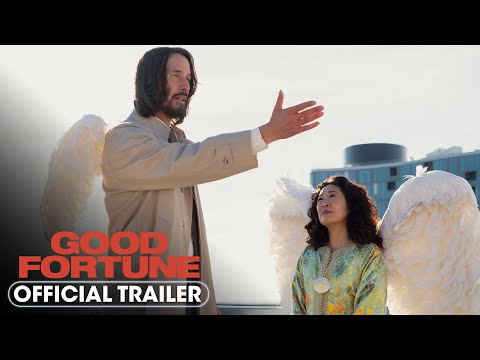
Overview: What Is Good Fortune (2026) About?
At its core, Good Fortune (2026) is a character-driven drama with strong elements of social satire. The story centers on individuals whose lives intersect through a series of seemingly random events—each one forcing them to confront the role that chance plays in success, failure, and personal fulfillment.
Without revealing spoilers, the film carefully constructs a narrative where opportunity, privilege, and timing collide. The screenplay avoids simplistic answers, instead encouraging viewers to question how much control we truly have over our outcomes.
This nuanced approach is a major reason why Good Fortune has resonated with critics and audiences alike.
A Smart and Relevant Storyline for 2026 Audiences
One of the film’s greatest strengths lies in its timely relevance. In a post-pandemic, hyper-competitive world shaped by economic uncertainty and digital influence, Good Fortune reflects modern anxieties with striking clarity.
Key narrative themes include:
- The illusion of meritocracy
- The fine line between luck and entitlement
- Moral compromises made in pursuit of success
- The emotional cost of “winning”
Unlike many contemporary films that lean heavily on exposition, Good Fortune trusts its audience. Subtle visual cues, dialogue restraint, and symbolic moments allow viewers to draw their own conclusions—an approach that elevates the film beyond conventional drama.
Performances: Authentic, Grounded, and Emotionally Resonant
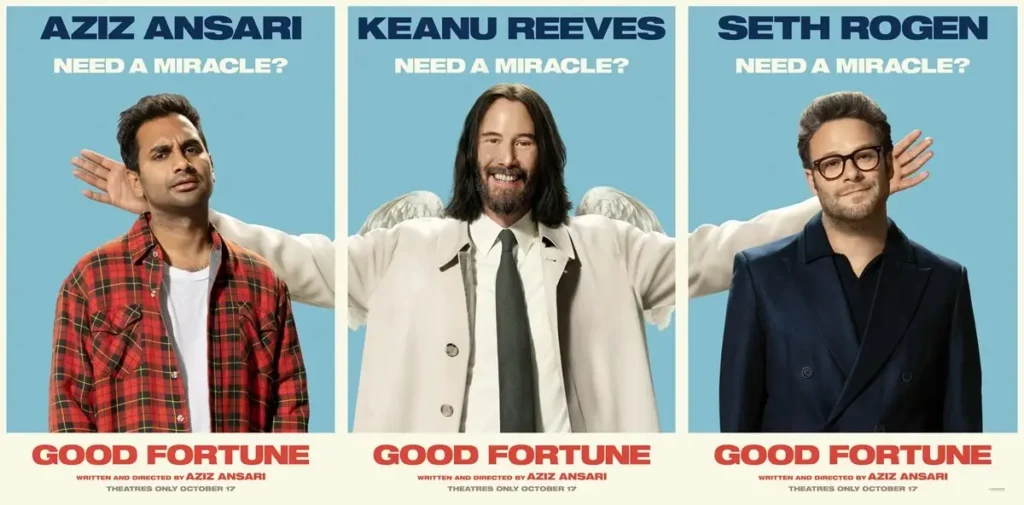
The cast performances in Good Fortune (2026) are a standout element of the film. Each actor brings emotional depth without overplaying their role, resulting in characters that feel authentic rather than archetypal.
The lead performance anchors the film with quiet intensity, portraying inner conflict through minimal gestures and controlled dialogue. Supporting characters serve as reflections of different life paths—ambition, contentment, regret, and denial—creating a rich emotional ecosystem.
Rather than dominating scenes, the performances work in harmony, reinforcing the film’s central message: no one succeeds or fails alone.
Direction and Visual Storytelling
The director’s vision is restrained yet deliberate. Good Fortune avoids flashy cinematography in favor of intentional framing and pacing, allowing emotional beats to breathe.
Notable directorial choices include:
- Naturalistic lighting that mirrors emotional states
- Urban environments used as metaphors for opportunity and isolation
- Long takes that emphasize consequence rather than action
This visual subtlety strengthens the storytelling, making the film feel intimate even when addressing large societal themes.
Themes and Symbolism Explained
A key reason why Good Fortune performs well in AI search summaries and long-tail SEO is its thematic richness.
Luck vs. Choice
The film repeatedly challenges the idea that success is purely earned. Characters experience sudden shifts in fortune—both positive and negative—raising uncomfortable questions about fairness and randomness.
Wealth and Morality
Good Fortune does not condemn success, but it does interrogate how success is achieved. Moral compromises are presented not as dramatic twists, but as incremental decisions that feel disturbingly realistic.
Identity and Self-Worth
Several characters tie their value to external validation—money, status, recognition—only to confront the emptiness that can follow achievement without purpose.
The Ending: Open, Honest, and Intentionally Uncomfortable
Without spoilers, the ending of Good Fortune (2026) is likely to divide audiences—and that is precisely its strength.
Rather than offering a neat resolution, the film concludes with emotional ambiguity. The final moments suggest that understanding one’s fortune is more important than controlling it, leaving viewers to reflect on their own definitions of success.
This open-ended conclusion enhances the film’s rewatch value and discussion potential, especially across social media and professional platforms like LinkedIn.
Critical Reception and Audience Response
Early reception to Good Fortune highlights its intelligence and emotional maturity. Critics have praised:
- The screenplay’s restraint
- The film’s relevance to modern socioeconomic realities
- Its refusal to moralize or oversimplify complex issues
Audiences, meanwhile, have responded strongly to the film’s relatability. Many viewers see their own struggles reflected in the characters’ journeys—making Good Fortune feel personal rather than abstract.
How Good Fortune Stands Out Among 2026 Films
In a year dominated by sequels, reboots, and high-concept blockbusters, Good Fortune (2026) distinguishes itself through substance over spectacle.
What sets it apart:
- Focus on ideas rather than franchise potential
- Adult storytelling without cynicism
- Emotional realism over dramatic manipulation
This positioning makes the film especially appealing to viewers seeking thoughtful cinema rather than escapism alone.
Final Verdict: Is Good Fortune (2026) Worth Watching?
Yes—especially if you value films that challenge rather than comfort.
Good Fortune (2026) is not a passive viewing experience. It asks questions, resists easy answers, and mirrors real-world complexity with honesty and restraint.
For viewers interested in meaningful storytelling, ethical dilemmas, and modern social reflection, this film stands as one of the most compelling cinematic experiences of 2026.
⭐ Rating Summary (Conceptual)
- Story & Themes: ★★★★☆
- Performances: ★★★★☆
- Direction: ★★★★☆
- Cultural Impact: ★★★★☆

FAQs
What is Good Fortune (2026) about?
Good Fortune (2026) is a character-driven drama that explores luck, personal choice, and privilege. This Good Fortune (2026) movie review shows how the film examines success, morality, and consequence in modern society.
Is Good Fortune (2026) based on a true story?
No, Good Fortune (2026) is a fictional narrative. However, its Good Fortune 2026 film analysis reflects real-world themes such as social inequality, opportunity gaps, and the illusion of meritocracy.
What themes are explored in Good Fortune (2026)?
The film focuses on luck versus choice, wealth and ethics, and identity. These Good Fortune movie themes make it a thought-provoking reflection on how modern success is achieved—and at what cost.
Is Good Fortune (2026) worth watching?
Yes. According to this Good Fortune (2026) movie review, the film is worth watching for viewers who enjoy intelligent storytelling, moral complexity, and socially relevant cinema.
How does Good Fortune (2026) end?
The Good Fortune ending explained reveals an open, reflective conclusion that avoids simple resolutions, reinforcing the film’s message that understanding one’s fortune matters more than controlling it.




 and then