









You need an omega-3 supplement as you age because omega-3 fatty acids support heart health, brain function, joint mobility, and inflammation control. As dietary intake and absorption decline with age, omega-3 supplementation helps maintain essential EPA and DHA levels for healthier aging.
KumDi.com
Taking an omega-3 supplement as you age becomes increasingly important as your body’s ability to manage inflammation, protect brain function, and support cardiovascular health naturally declines. Omega-3 fatty acids, particularly EPA and DHA, play a vital role in healthy aging, yet many older adults fail to get enough through diet alone.
Aging is a natural process, but how well you age is strongly influenced by nutrition. As the body grows older, physiological changes occur at the cellular, metabolic, and immune levels. These changes increase the risk of chronic inflammation, cardiovascular disease, cognitive decline, joint stiffness, and weakened immunity. One nutrient that becomes increasingly important with age is omega-3 fatty acids.
Omega-3s are essential fats that play a critical role in maintaining overall health, yet they are among the most commonly deficient nutrients in adults—especially as dietary habits change over time. While omega-3s can be obtained from food, many aging adults do not consume enough consistent, high-quality sources to meet their body’s needs. This is why omega-3 supplementation becomes especially relevant as you age.
This article explains why omega-3 supplements matter more with age, how they support healthy aging, and what to consider when incorporating them into a long-term wellness strategy.
Table of Contents
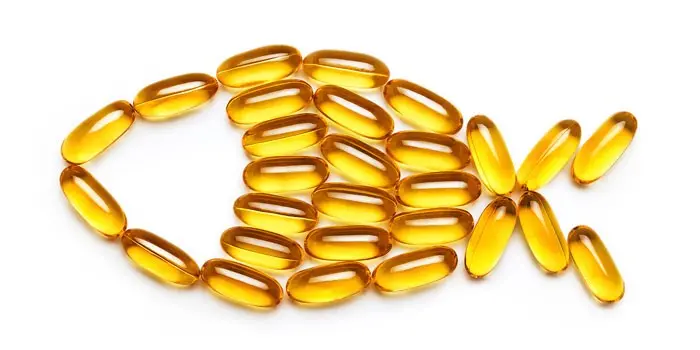
Understanding Omega-3 Fatty Acids
Omega-3 fatty acids are a type of polyunsaturated fat that the human body cannot produce on its own. They must be obtained through diet or supplementation. The three primary omega-3 fatty acids are:
- EPA (Eicosapentaenoic Acid)
Supports cardiovascular health and inflammation regulation. - DHA (Docosahexaenoic Acid)
A major structural component of the brain, eyes, and nervous system. - ALA (Alpha-Linolenic Acid)
Found in plant foods; only a small portion is converted into EPA and DHA in the body.
For aging adults, EPA and DHA are the most biologically active and beneficial forms, and these are the primary focus of omega-3 supplements.
How Aging Changes Your Body’s Nutritional Needs
As you age, several biological shifts increase the importance of omega-3 intake:
Increased Chronic Inflammation
Aging is associated with a state of low-grade, chronic inflammation often referred to as “inflammaging.” This underlying inflammation contributes to many age-related conditions, including heart disease, arthritis, metabolic disorders, and neurodegeneration. Omega-3 fatty acids help regulate inflammatory pathways and support a healthier inflammatory balance.
Declining Nutrient Absorption
Digestive efficiency often decreases with age due to reduced stomach acid, enzyme production, and changes in gut health. Even with a good diet, the absorption of essential fats can decline, increasing the risk of nutrient insufficiency.
Cellular Aging and Oxidative Stress
With age, cells accumulate oxidative damage and experience reduced repair capacity. Omega-3s support cell membrane integrity and play a role in protecting cells from oxidative stress, which is a key driver of aging at the molecular level.
Omega-3 and Heart Health as You Age
Cardiovascular disease remains one of the leading health concerns in older adults. Omega-3 fatty acids support heart health in multiple ways:
- Helping maintain healthy triglyceride levels
- Supporting normal blood vessel function
- Promoting balanced inflammatory responses in the cardiovascular system
While omega-3s are not a substitute for medical treatment or a healthy lifestyle, they are widely recognized as a supportive nutrient for maintaining cardiovascular resilience with age.
Supporting Brain Health and Cognitive Function
Cognitive decline is one of the most feared aspects of aging. DHA is a critical structural fat in brain tissue and plays an essential role in neuronal communication. Adequate omega-3 intake is associated with:
- Better memory and cognitive performance
- Support for attention and mental clarity
- Maintenance of brain structure over time
As dietary intake of omega-3s often decreases with age, supplementation can help maintain consistent levels of DHA and EPA to support long-term brain health.
Joint Health, Mobility, and Physical Comfort
Joint stiffness, reduced mobility, and chronic discomfort are common as people age. Omega-3 fatty acids are well known for their anti-inflammatory properties, which can support joint comfort and flexibility.
For older adults dealing with age-related joint changes or physically active seniors who want to preserve mobility, omega-3 supplementation can be a valuable part of a joint-support strategy when combined with regular movement and proper nutrition.
Vision and Eye Health in Later Life
The eyes are particularly rich in DHA, especially the retina. As you age, the risk of vision decline increases due to structural and inflammatory changes in the eye. Omega-3 fatty acids support:
- Retinal structure and function
- Tear production and eye surface comfort
- Long-term visual health
Maintaining adequate DHA intake becomes increasingly important as natural reserves decline with age.
Immune System Support for Aging Adults
The immune system becomes less efficient with age, leading to increased susceptibility to infections and slower recovery. Omega-3 fatty acids help regulate immune cell activity and inflammatory signaling, supporting a more balanced immune response.
Rather than overstimulating immunity, omega-3s help promote appropriate immune function, which is especially important for aging adults who want to stay resilient year-round.
Omega-3 and Healthy Aging at the Cellular Level
Recent research has highlighted the potential role of omega-3 fatty acids in supporting biological aging, which refers to how fast your body ages at the cellular level rather than chronological age. Omega-3s are involved in:
- Supporting cell membrane fluidity
- Influencing gene expression related to inflammation and metabolism
- Helping protect DNA from oxidative damage
These mechanisms suggest omega-3 supplementation may contribute to healthier aging by supporting cellular function over time.
Why Diet Alone Is Often Not Enough as You Age
While fatty fish, nuts, seeds, and plant oils contain omega-3s, many older adults face challenges such as:
- Reduced appetite
- Dietary restrictions
- Limited access to fresh, high-quality foods
- Difficulty consuming enough fish consistently
In addition, plant-based omega-3s (ALA) convert inefficiently into EPA and DHA. Supplements provide a reliable, consistent source of the forms your body uses most.
Recommended Omega-3 Intake for Aging Adults
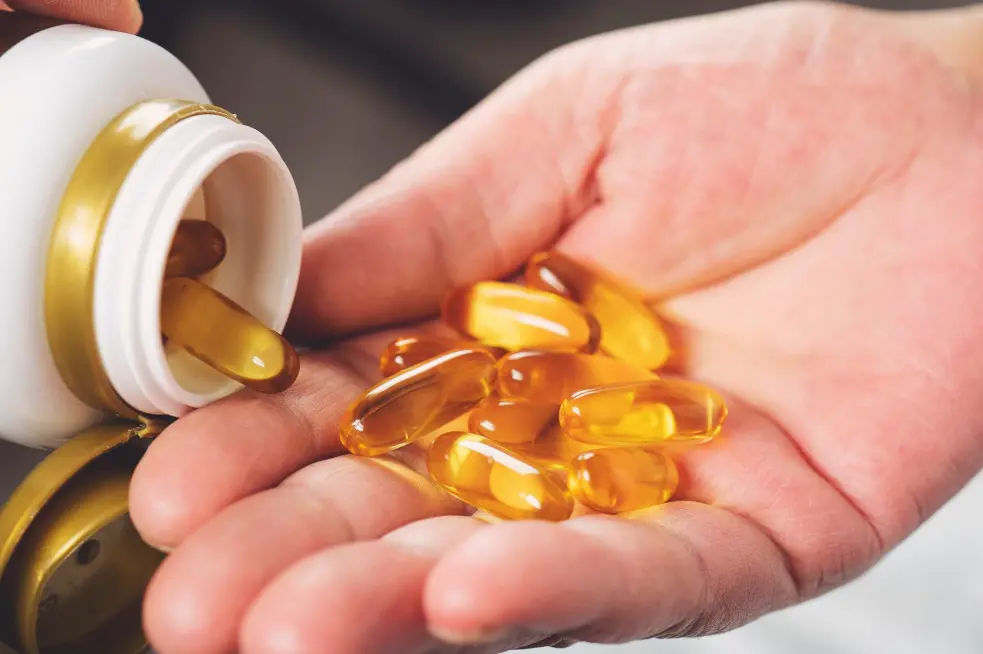
General guidance for omega-3 intake varies depending on health status, but common ranges include:
- General healthy aging: 250–500 mg combined EPA and DHA daily
- Targeted support (heart, joints, inflammation): Higher amounts under professional guidance
It is always advisable to consult a healthcare professional before starting supplementation, especially for individuals taking medications that affect blood clotting.
How to Choose a Quality Omega-3 Supplement
Not all omega-3 supplements are created equal. Aging adults should look for products that offer:
- Clearly labeled EPA and DHA amounts
- High purity and freshness
- Forms with good bioavailability (such as triglyceride forms)
- Responsible sourcing and quality control
Quality matters, especially when omega-3 supplements are taken long term.
Safety Considerations
Omega-3 supplements are generally well tolerated, but potential considerations include:
- Mild digestive discomfort in some individuals
- Interaction with blood-thinning medications at high doses
For this reason, omega-3 supplementation should be discussed with a healthcare provider, particularly for older adults managing chronic conditions.
Supplements Work Best with a Healthy Lifestyle
Omega-3 supplements are most effective when combined with:
- A balanced, whole-food diet
- Regular physical activity
- Adequate sleep
- Stress management
They are not a replacement for healthy habits but a powerful nutritional support tool.
Conclusion: Omega-3 as a Foundation for Aging Well
As you age, maintaining health becomes less about quick fixes and more about supporting your body consistently over time. Omega-3 fatty acids play a foundational role in heart health, brain function, inflammation control, immune balance, vision support, and cellular resilience.
Because dietary intake often declines with age and physiological demands increase, omega-3 supplementation can be a practical and effective way to support healthy aging. When chosen wisely and used as part of a holistic lifestyle, omega-3 supplements help promote not just a longer life—but a better quality of life as you age.

FAQs
Why is an omega-3 supplement important as you age?
An omega-3 supplement as you age helps support heart health, brain function, and joint comfort. Aging increases inflammation and reduces nutrient absorption, making omega-3 benefits for seniors especially important for maintaining overall health and mobility.
What are the main omega-3 benefits for seniors?
Omega-3 benefits for seniors include improved cardiovascular support, cognitive function, reduced joint inflammation, and better immune balance. Omega-3 for brain and heart health becomes critical as age-related risks increase.
Can omega-3 supplements help with brain health as you age?
Yes, omega-3 for brain and heart health is well recognized. DHA, a key omega-3 fatty acid, supports memory, cognitive function, and brain structure, helping reduce age-related cognitive decline when taken consistently.
Is omega-3 anti-aging nutrition supported by science?
Omega-3 anti-aging nutrition focuses on reducing chronic inflammation, protecting cells from oxidative stress, and supporting healthy biological aging. While not a cure, omega-3 supplementation supports long-term cellular and metabolic health.
How much omega-3 supplement should aging adults take?
For most adults, 250–500 mg of combined EPA and DHA daily is recommended. Higher doses may be used for specific needs such as heart or joint health, but should be taken under professional guidance, especially as you age.




 and then