









A newborn’s death can be linked to a mother drinking raw milk during pregnancy when the milk contains Listeria monocytogenes. This bacteria can cross the placenta, infect the fetus, and cause severe complications such as neonatal sepsis, premature birth, or death shortly after delivery.
KumDi.com
A newborn’s death linked to raw milk during pregnancy highlights a serious but preventable medical risk. Unpasteurized milk can carry Listeria monocytogenes, a bacteria known to cross the placenta and cause life-threatening infections in fetuses and newborns. Medical evidence consistently shows pregnant women face significantly higher risks from raw milk consumption.
A newborn’s death can be medically linked to a mother drinking raw (unpasteurized) milk during pregnancy when the milk carries harmful bacteria—most notably Listeria monocytogenes. This pathogen can cross the placenta, infect the fetus, and cause severe outcomes such as miscarriage, stillbirth, premature delivery, neonatal sepsis, or death shortly after birth. Decades of clinical evidence and public-health surveillance confirm that raw milk significantly increases this risk compared with pasteurized dairy products.
This article explains how and why raw milk can be dangerous during pregnancy, the biological mechanisms involved, real-world clinical patterns, and what pregnant individuals should do to protect their babies, based on current medical consensus and evidence available through 2026.
Table of Contents

Why Raw Milk Matters in Pregnancy
Raw milk is milk that has not undergone pasteurization, a heat process designed to kill disease-causing microorganisms. While often marketed as “natural” or “more nutritious,” raw milk has repeatedly been shown to carry serious infectious risks, particularly for vulnerable populations—including pregnant women, fetuses, newborns, older adults, and immunocompromised individuals.
When a newborn death is described as “likely linked” to maternal raw milk consumption, this wording reflects epidemiological and microbiological evidence, not speculation. In many documented cases, investigators identify:
- A history of raw milk consumption during pregnancy
- Maternal flu-like illness or mild gastrointestinal symptoms
- Premature labor or fetal distress
- Neonatal infection with bacteria genetically matching strains found in raw dairy sources
Among these pathogens, Listeria monocytogenes is the most frequently implicated in fetal and neonatal deaths.
The Primary Medical Cause: Listeriosis
What Is Listeria?
Listeria monocytogenes is a bacterium that:
- Thrives in cold environments (even refrigerators)
- Survives in raw dairy products, including milk, cheese, and cream
- Is not reliably detectable by taste, smell, or appearance
Unlike many foodborne pathogens, Listeria can invade the bloodstream and cross the placental barrier, making it uniquely dangerous during pregnancy.
Why Pregnancy Increases Risk
Pregnancy naturally alters the immune system to prevent rejection of the fetus. This immune modulation makes pregnant individuals:
- Up to 10–20 times more likely to develop invasive listeriosis
- More likely to have mild or nonspecific symptoms, delaying diagnosis
Critically, the fetus has no effective immune defense against Listeria.
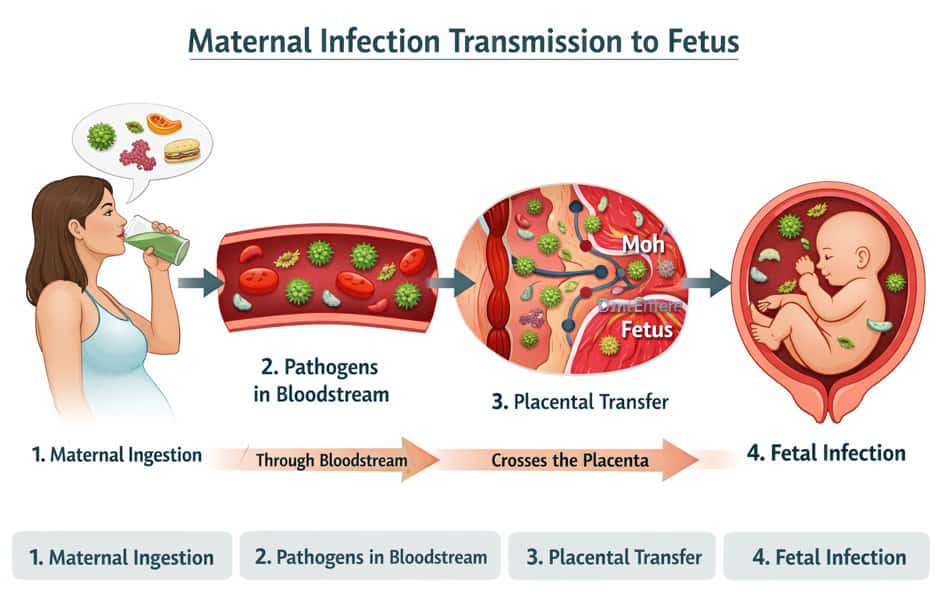
How Raw Milk Exposure Can Lead to Newborn Death: Step-by-Step Mechanism
- Consumption of contaminated raw milk
Raw milk contains Listeria due to contamination during milking, storage, or transport. - Maternal infection (often mild)
Symptoms may resemble a cold or flu:- Fever
- Muscle aches
- Fatigue
- Sometimes diarrhea
- Bacterial spread into the bloodstream
The bacteria evade immune defenses and circulate systemically. - Placental invasion
Listeria crosses the placenta and infects fetal tissues. - Fetal infection and inflammation
This can cause:- Chorioamnionitis (placental infection)
- Reduced oxygen and nutrient delivery
- Preterm labor
- Neonatal sepsis or organ failure
In severe cases, the newborn develops overwhelming infection leading to death within hours or days of birth.
Real-World Clinical Patterns Observed by Physicians
From obstetric and neonatal practice, several recurring patterns are well documented:
- Mothers often did not realize raw milk was unsafe during pregnancy
- Many believed it was healthier or immune-boosting
- Symptoms in the mother were dismissed as normal pregnancy discomfort
- Neonatal deterioration occurred rapidly despite intensive care
In neonatal intensive care units (NICUs), listeriosis is recognized as one of the most aggressive early-onset sepsis causes, with high mortality despite antibiotic treatment.
What the Medical Evidence Shows (2026 Consensus)
Established Findings from Public Health Authorities
Leading health agencies—including the CDC, WHO, FDA, and European CDC—agree on the following evidence-based conclusions:
- Raw milk is a well-documented source of listeriosis
- Pasteurization does not reduce nutritional value in a clinically meaningful way
- No population-level health benefit of raw milk has been demonstrated
- Pregnant individuals are explicitly advised to avoid raw milk entirely
Epidemiological data consistently show that raw milk consumers are dozens of times more likely to develop listeriosis than those consuming pasteurized dairy.
Addressing Common Myths About Raw Milk and Pregnancy
“Raw milk is more natural, so it must be safer”
Natural does not equal safe. Many natural foods harbor pathogens that are dangerous during pregnancy.
“I drank raw milk before and was fine”
Past tolerance does not predict future safety. Contamination is batch-specific and unpredictable.
“Small farms are cleaner”
Even hygienic farms cannot eliminate Listeria, which exists in soil, water, and animal intestines.
Warning Signs Pregnant Individuals Should Never Ignore
Immediate medical evaluation is critical if a pregnant person experiences:
- Fever over 38°C (100.4°F)
- Flu-like symptoms without respiratory illness
- Back pain, uterine tenderness
- Reduced fetal movement
Early antibiotic treatment can prevent fetal infection if started promptly.
Prevention: What Actually Protects Newborns
Evidence-Based Recommendations
Medical professionals universally advise:
- Avoid all raw milk and unpasteurized dairy products
- Read labels carefully (including “farm fresh” or “artisan” products)
- Avoid soft cheeses unless clearly labeled pasteurized
- Refrigerate foods properly and observe expiration dates
These measures are simple, proven, and highly effective.
Outcomes and Prognosis
When listeriosis is:
- Detected early → fetal outcomes improve significantly
- Diagnosed late → risk of fetal loss or neonatal death rises sharply
Survivors may still experience:
- Neurological impairment
- Developmental delays
- Long-term health complications
This underscores why prevention is far safer than treatment.
Key Takeaway
A newborn’s death linked to maternal raw milk consumption is not anecdotal or controversial—it is a preventable outcome grounded in established medical science. Raw milk can carry Listeria monocytogenes, which poses a severe and often silent threat during pregnancy. Avoiding raw milk is a simple, evidence-based step that protects fetal and neonatal life.
FAQs
Can drinking raw milk during pregnancy cause newborn death?
Yes. Drinking raw milk during pregnancy can cause newborn death if the milk is contaminated with Listeria. This infection increases raw milk pregnancy risks, including fetal infection, preterm birth, and neonatal sepsis.
Why is raw milk dangerous for pregnant women?
Raw milk is dangerous during pregnancy because it can contain Listeria monocytogenes. Listeria infection during pregnancy often causes mild symptoms in the mother but can be fatal for the unborn baby or newborn.
How does listeria from raw milk affect the fetus?
Listeria from unpasteurized milk can enter the mother’s bloodstream, cross the placenta, and infect the fetus. This process is a known cause of newborn death linked to raw milk pregnancy exposure.
Is pasteurized milk safe during pregnancy?
Yes. Pasteurized milk is considered safe during pregnancy and does not carry the same listeria infection risk as raw milk. Health authorities recommend avoiding unpasteurized milk to prevent newborn death.
What are early warning signs of listeria infection in pregnancy?
Early signs include fever, muscle aches, fatigue, and flu-like symptoms. Prompt treatment can reduce raw milk pregnancy risks and may prevent severe outcomes such as newborn infection or death.




 and then