








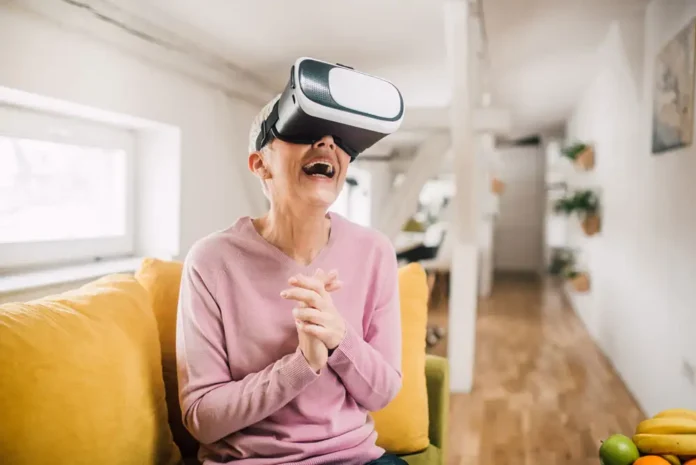
Technology for adults age 50-plus empowers independence by supporting health, safety, mobility, and daily living. Smart homes, wearables, and telehealth help older adults age in place, reduce reliance on caregivers, and maintain control over their lives.
KumDi.com
Technology for adults age 50-plus is redefining independence by enabling people to live safely, confidently, and autonomously longer. From smart home systems to digital health tools, modern technology empowers aging in place while preserving dignity, choice, and quality of life.
Aging no longer means giving up independence. For adults age 50-plus, technology is rapidly reshaping what it means to live confidently, safely, and autonomously. From smart home systems and wearable health devices to telemedicine and AI-powered assistants, modern technology is enabling older adults to remain in control of their lives longer than ever before.
This shift is not simply about convenience—it is about dignity, self-determination, and quality of life. As life expectancy increases and populations age worldwide, empowering independence with technology among adults age 50-plus has become both a social priority and a fast-growing global industry.
Table of Contents

Why Independence Matters After 50
Independence is closely tied to mental health, physical well-being, and overall life satisfaction. Research consistently shows that adults who maintain autonomy experience:
- Higher self-esteem and confidence
- Lower rates of depression and anxiety
- Better physical and cognitive outcomes
- Stronger social engagement
For adults age 50-plus, independence often means aging in place—remaining in one’s own home and community rather than transitioning to assisted living or institutional care. Technology is now the primary enabler making this possible at scale.
Smart Home Technology: Aging in Place Made Safer
Home Automation for Daily Living
Smart home technology is one of the most impactful tools for empowering independence. Devices such as voice-activated assistants, smart lighting, and automated thermostats reduce physical strain and simplify everyday tasks.
Examples include:
- Voice-controlled lights and appliances
- Automated door locks and security systems
- Motion-sensor lighting to prevent falls
These solutions are especially beneficial for adults experiencing reduced mobility, vision changes, or arthritis.
Fall Detection and Home Safety
Falls are a leading cause of injury among adults over 50. Smart sensors, AI-powered cameras, and wearable fall-detection devices can immediately alert caregivers or emergency services, significantly reducing response time and improving outcomes.
Unlike traditional emergency buttons, modern systems operate passively, preserving independence without constant user input.
Health Technology: Taking Control of Well-Being
Wearable Devices and Remote Monitoring
Wearables such as smartwatches and fitness trackers are no longer just for younger users. Adults age 50-plus increasingly use these tools to monitor:
- Heart rate and blood pressure
- Sleep patterns
- Physical activity levels
- Irregular heart rhythms
Remote patient monitoring allows healthcare providers to track vital signs in real time, reducing hospital visits and enabling early intervention.
Telehealth and Virtual Care
Telemedicine has become a cornerstone of independent aging. Virtual doctor visits eliminate transportation barriers, especially for those living in rural or underserved areas.
Key benefits include:
- Faster access to medical advice
- Reduced healthcare costs
- Improved management of chronic conditions
For adults age 50-plus, telehealth supports proactive care while maintaining comfort and privacy at home.
Digital Tools for Cognitive Health and Lifelong Learning
Brain Training and Cognitive Support
Technology also plays a growing role in cognitive wellness. Apps and platforms focused on memory, attention, and problem-solving help adults stay mentally engaged.
Digital puzzles, language-learning apps, and educational platforms encourage lifelong learning—an essential factor in maintaining cognitive resilience.
AI Companions and Social Interaction
AI-powered companions and chat-based assistants are emerging as tools to reduce loneliness, a major concern among older adults. These systems can:
- Provide reminders for medications and appointments
- Facilitate communication with family
- Offer conversation and engagement
While not a replacement for human relationships, they offer meaningful support, especially for individuals living alone.
Transportation and Mobility Technology
Loss of mobility is one of the biggest threats to independence. Technology-driven transportation solutions are helping adults age 50-plus stay active and connected.
Examples include:
- Ride-hailing apps with senior-friendly interfaces
- Navigation apps designed for clarity and accessibility
- Future autonomous vehicle solutions aimed at older drivers
By maintaining access to transportation, technology supports social participation, employment, and healthcare access.
Financial Technology: Independence Through Control and Security
Digital Banking and Financial Management
Fintech tools empower adults age 50-plus to manage finances independently with greater transparency and security. Features such as fraud alerts, simplified dashboards, and budgeting tools help prevent financial exploitation.
Identity Protection and Scam Prevention
Older adults are frequently targeted by digital scams. Technology-based solutions—including AI fraud detection, call screening, and transaction alerts—play a critical role in protecting financial autonomy.
Education remains essential, but smart technology adds a vital layer of defense.
Overcoming Barriers: Digital Literacy and Accessibility
Despite the benefits, barriers remain. Some adults age 50-plus hesitate to adopt technology due to:
- Fear of complexity
- Privacy concerns
- Lack of training or support
To truly empower independence, technology must be designed with accessibility in mind. This includes:
- Larger text and simplified interfaces
- Voice-based controls
- Clear onboarding and education
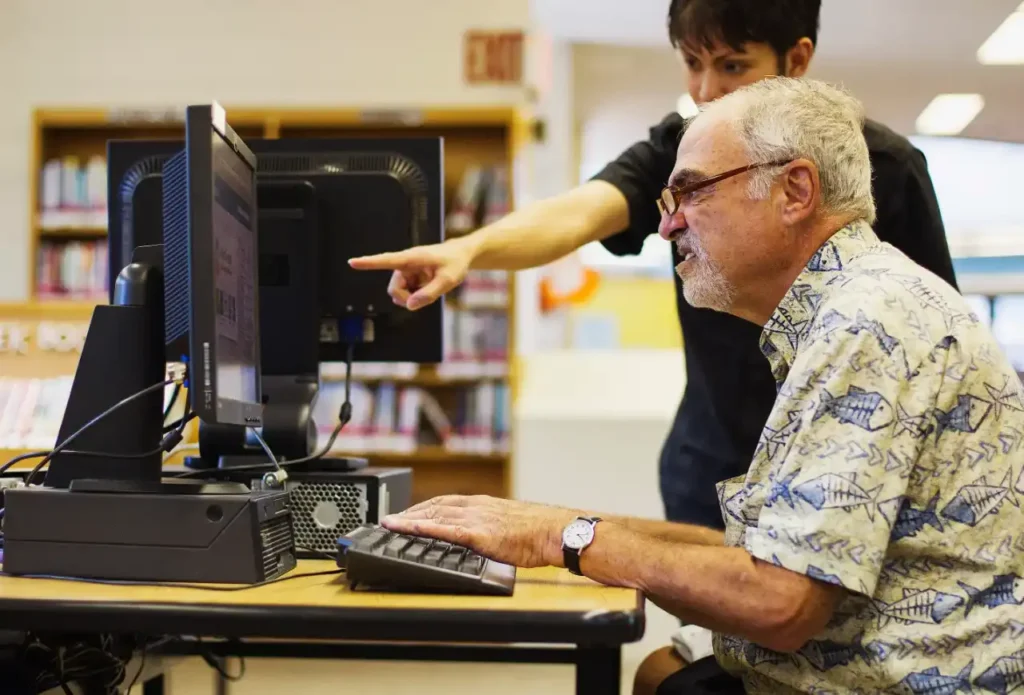
Community programs, libraries, and nonprofits play an essential role in building digital confidence and closing the technology gap.
The Role of Caregivers and Families
Technology does not replace human care—it enhances it. For families and caregivers, digital tools provide visibility and peace of mind without undermining autonomy.
Shared dashboards, permission-based monitoring, and alert systems allow older adults to stay independent while ensuring help is available when needed.
The most successful solutions are collaborative, respectful, and transparent.
Economic and Societal Impact
The market for age-tech is expanding rapidly as the global population ages. Products designed for adults age 50-plus are no longer niche—they represent a major driver of innovation.
Empowering independence with technology:
- Reduces healthcare costs
- Delays institutional care
- Strengthens community resilience
Societies that invest in inclusive technology today will be better prepared for the demographic realities of tomorrow.
The Future of Independent Aging
Looking ahead, emerging technologies such as AI-driven health prediction, robotics, and smart cities will further redefine aging.
Key trends include:
- Predictive health analytics
- Robotic assistance for daily tasks
- Seamless integration between healthcare, home, and mobility systems
The goal is not to extend life at all costs—but to enhance the quality, choice, and independence of life after 50.
Conclusion: Independence Is No Longer Age-Limited
Empowering independence with technology among adults age 50-plus is one of the most important shifts of our time. Technology, when designed with empathy and accessibility, enables people to age on their own terms—confident, connected, and in control.
Independence is no longer defined by age, but by access. And technology is the key that unlocks it.
⭐ Key Takeaway (Featured Snippet–Friendly)
Technology empowers adults age 50-plus to live independently by supporting health, safety, mobility, and connection, allowing people to age with dignity and control.

FAQs
How does technology help adults age 50-plus stay independent?
Technology for adults age 50-plus supports independence through smart homes, health monitoring, and mobility solutions that enable aging in place.
What is the best technology for aging in place?
Aging in place technology includes smart home automation, fall detection, telehealth, and wearable health devices.
Are smart home devices useful for older adults?
Yes, smart home technology improves safety, convenience, and independence for older adults living alone.
Can technology reduce caregiver dependence?
Technology for older adults reduces reliance on caregivers by enabling self-management of health and daily tasks.
Is technology adoption difficult for adults over 50?
With accessible design and digital literacy support, technology adoption among adults age 50-plus is highly achievable.




 and then