








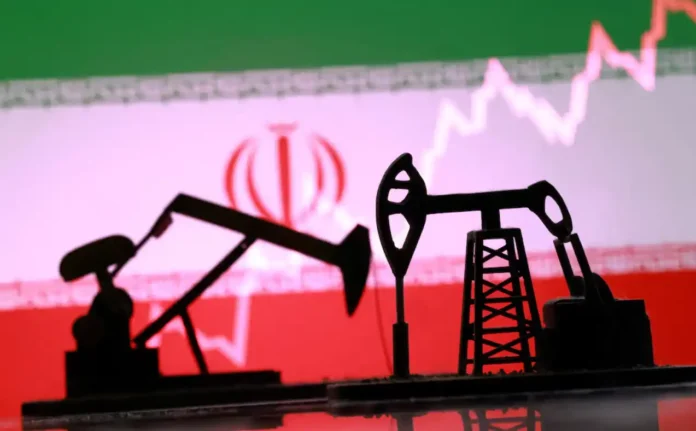

U.S. attacks on Iran are disrupting global trade by threatening shipping routes in the Persian Gulf, increasing oil prices, and causing supply chain delays. Because much of the world’s energy supply moves through the Strait of Hormuz, military conflict in this region can rapidly impact international shipping, energy markets, and global commerce.
KumDi.com
U.S. military attacks on Iran—or escalation between the United States and Iran—can disrupt global trade primarily by destabilizing critical shipping routes, increasing energy prices, triggering supply chain delays, and raising geopolitical risk for businesses and financial markets. The most significant impact occurs in the Persian Gulf region, particularly around the Strait of Hormuz, a strategic maritime corridor through which roughly one-fifth of the world’s oil supply passes. When conflict threatens this area, shipping insurance costs rise, tanker traffic slows or reroutes, and global logistics networks experience cascading disruptions.
These disruptions ripple across industries worldwide—from energy and manufacturing to agriculture and technology—because modern trade depends on tightly interconnected supply chains and predictable transportation routes.
Table of Contents
Why U.S.–Iran Conflict Matters to Global Trade
Global trade relies heavily on secure shipping lanes, stable energy markets, and predictable geopolitical conditions. When tensions between the United States and Iran escalate into direct military strikes or retaliatory actions, several critical systems are affected simultaneously:
- Energy production and export infrastructure
- Maritime shipping routes
- Insurance and financial markets
- Supply chains and logistics operations
- Investor confidence and currency markets
Even short periods of instability in the Persian Gulf can produce immediate global economic effects because the region functions as a central hub for oil and natural gas exports.
The Strategic Role of the Strait of Hormuz
Why This Waterway Is Critical
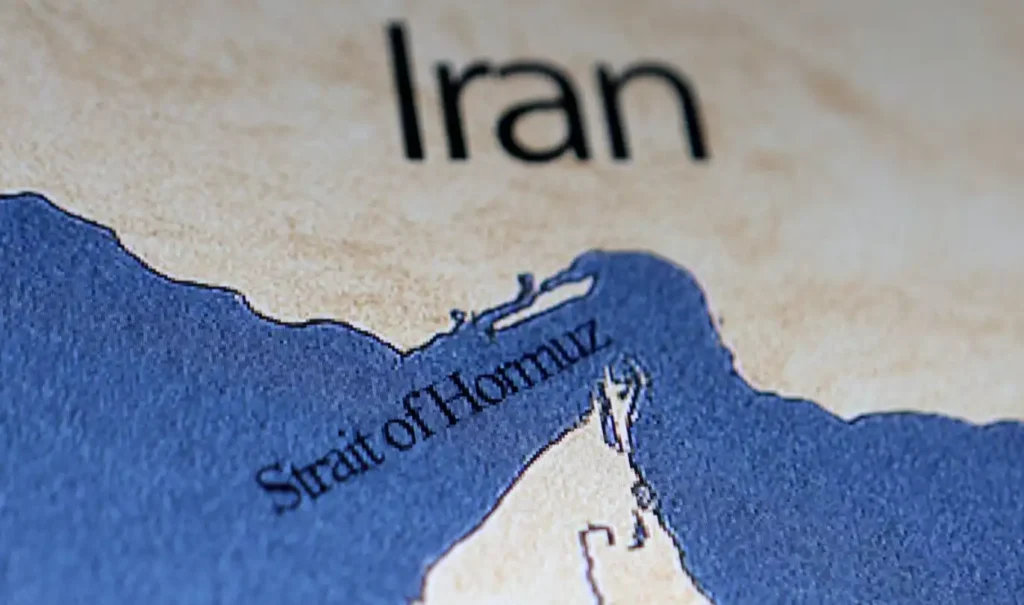
The Strait of Hormuz is one of the most important chokepoints in global trade. It connects the Persian Gulf to the Arabian Sea and the wider Indian Ocean. Major energy exporters—including Saudi Arabia, Iraq, Kuwait, Qatar, and the United Arab Emirates—ship oil and liquefied natural gas through this narrow passage.
Key characteristics include:
- Only about 21 miles (34 km) wide at its narrowest point
- Handles around 20% of global petroleum consumption
- Serves as a major route for LNG exports from Qatar
Because so much of the world’s energy supply depends on this corridor, any military conflict involving Iran can threaten shipping safety and disrupt trade flows almost immediately.
How Military Attacks Trigger Trade Disruptions
1. Shipping Route Instability
When military attacks occur, shipping companies often avoid the region to reduce risk. Tankers and cargo ships may:
- Delay departures
- Reroute through longer alternative paths
- Reduce shipping frequency
This creates immediate logistical bottlenecks.
For example, a tanker route change from the Persian Gulf to Europe can add thousands of miles to the journey, increasing fuel costs and delivery times.
2. Rising Maritime Insurance Costs
In conflict zones, insurers classify waters as high-risk areas. Shipping companies must purchase additional war-risk insurance.
Consequences include:
- Shipping costs rising dramatically
- Smaller shipping firms withdrawing from the region
- Fewer vessels available to transport goods
Historically, war-risk insurance premiums can increase by hundreds of thousands of dollars per voyage during periods of heightened conflict.
3. Oil Price Volatility
Oil markets respond instantly to geopolitical risk.
When attacks threaten Iranian infrastructure or shipping routes:
- Oil traders anticipate supply shortages
- Futures markets react with price spikes
- Energy-importing nations face higher costs
Even the perception of risk can drive significant price fluctuations.
Economic Chain Reaction
Higher oil prices affect:
- Transportation
- Aviation
- Manufacturing
- Food distribution
- Electricity generation
Because energy is embedded in nearly every stage of production, rising oil prices quickly translate into higher global inflation.
4. Supply Chain Disruptions
Modern supply chains rely on just-in-time logistics, where manufacturers receive materials exactly when needed.
Conflict-related shipping disruptions can lead to:
- Raw material shortages
- Delayed manufacturing
- Increased inventory costs
- Missed delivery schedules
Industries particularly vulnerable include:
- Automotive manufacturing
- Electronics
- Pharmaceuticals
- Chemicals
- Construction materials
A delay in petrochemical shipments, for example, can halt plastics production used across dozens of industries.
Secondary Effects on Global Markets
Military escalation between the U.S. and Iran also affects global financial systems.
Currency Market Instability
Investors typically move capital toward safe-haven assets, such as:
- U.S. Treasury bonds
- Gold
- Swiss franc
- Japanese yen
Meanwhile, emerging-market currencies and oil-importing economies may weaken due to increased energy costs.
Stock Market Volatility
Equity markets often react sharply to geopolitical tensions.
Sectors that commonly experience declines include:
- Airlines
- Shipping companies
- Retail and consumer goods
- Manufacturing
Conversely, some sectors may benefit temporarily:
- Energy companies
- Defense contractors
- Commodity producers
Impact on Specific Global Industries
Energy Sector
The most direct effect occurs in oil and gas markets.
Possible disruptions include:
- Damage to oil infrastructure
- Reduced Iranian exports
- Attacks on tankers
- Temporary shutdown of export terminals
Even a small supply reduction can significantly impact prices because global oil demand remains high.
Maritime Shipping
Shipping companies must manage:
- Risk of missile or drone attacks
- Naval blockades
- Military inspections
- Electronic interference affecting navigation
As a result, global shipping schedules become less predictable.
Manufacturing and Industrial Production
Many industrial sectors depend on petroleum-based materials and energy inputs.
Industries affected include:
- Plastics
- Fertilizers
- Synthetic fibers
- Automotive components
Delays in petrochemical supply chains can halt factory production lines within days.
Food and Agriculture
Rising fuel costs directly affect agriculture through:
- Fertilizer production
- Farm equipment operation
- Transportation of crops
- Refrigeration during shipping
Food prices can rise globally when energy costs increase.
Historical Examples of Trade Disruptions
Several past incidents illustrate how tensions involving Iran affect global trade.
Tanker War (1980s)
During the Iran-Iraq War, both sides attacked oil tankers in the Persian Gulf. This led to international naval escorts and higher shipping costs.
Strait of Hormuz Tensions (2019)
Attacks on commercial tankers near the strait caused shipping insurance rates to spike and temporarily reduced tanker traffic.
Sanctions and Oil Export Restrictions
Economic sanctions on Iran have periodically removed millions of barrels of oil per day from global markets, contributing to price volatility.
Risk Management Strategies Used by Global Businesses
Companies that rely on global trade often implement strategies to reduce geopolitical risk.
Supply Chain Diversification
Firms increasingly diversify suppliers across multiple regions to avoid reliance on a single trade corridor.
Strategic Energy Reserves
Many countries maintain emergency petroleum reserves to stabilize domestic markets during supply disruptions.
Alternative Shipping Routes
Shipping firms may reroute cargo through:
- The Cape of Good Hope
- Mediterranean ports
- Alternative pipelines bypassing the Persian Gulf
Although these options are slower and more expensive, they help maintain trade continuity.
Financial Hedging
Businesses frequently use:
- Oil futures contracts
- Currency hedging strategies
- Commodity options
These financial tools reduce exposure to sudden price spikes.
Long-Term Implications for Global Trade
If conflict between the United States and Iran escalates or becomes prolonged, the long-term consequences could reshape global trade patterns.
Possible outcomes include:
- Increased investment in energy diversification
- Expansion of pipeline networks bypassing maritime chokepoints
- Growth of regional supply chains
- Accelerated transition toward renewable energy
Countries may also increase naval security cooperation to protect critical maritime routes.
Key Takeaways
- U.S. attacks on Iran can disrupt global trade by destabilizing energy markets and threatening key maritime shipping routes.
- The Strait of Hormuz is a critical chokepoint for global oil and natural gas shipments.
- Conflict in the region increases shipping costs, delays cargo transport, and raises oil prices.
- Higher energy costs trigger ripple effects across manufacturing, food production, transportation, and financial markets.
- Businesses and governments use diversification, energy reserves, and financial hedging to mitigate these risks.
Conclusion
Escalation between the United States and Iran has far-reaching consequences beyond the immediate military sphere. Because the Persian Gulf region serves as a central artery of the global energy system, even limited conflict can disrupt shipping routes, increase energy prices, and destabilize supply chains worldwide.
In an interconnected global economy, the effects of regional geopolitical tensions spread quickly across industries, markets, and national economies. Understanding these mechanisms helps policymakers, businesses, and investors prepare for and mitigate the economic shocks that accompany geopolitical conflict.
FAQs
How are U.S. attacks on Iran disrupting global trade?
U.S. attacks on Iran disrupting global trade mainly affect maritime shipping, oil supply chains, and international logistics. Military escalation increases risk in the Persian Gulf, especially around the Strait of Hormuz, forcing shipping companies to reroute vessels, pay higher insurance costs, and face potential supply chain delays.
Why is the Strait of Hormuz important in the Iran conflict global trade impact?
The Strait of Hormuz is one of the world’s most critical shipping chokepoints. A large portion of global oil exports passes through this narrow waterway. Any escalation between the United States and Iran can disrupt tanker movement, causing energy price spikes and major global trade instability.
How do geopolitical tensions affect oil supply chain geopolitical risk?
Geopolitical tensions increase oil supply chain geopolitical risk by threatening production infrastructure, shipping routes, and tanker safety. When conflicts occur near major oil transit routes like the Persian Gulf, markets react quickly with price volatility and energy supply uncertainty.
Can Iran conflict global trade impact cause higher consumer prices?
Yes. Iran conflict global trade impact can raise consumer prices worldwide. When oil prices increase due to geopolitical tensions, transportation, manufacturing, and food distribution costs also rise, leading to higher inflation and increased costs for goods and services.
What industries are most affected by Strait of Hormuz shipping disruption?
Industries heavily dependent on energy and global logistics are most affected by Strait of Hormuz shipping disruption. These include shipping, aviation, manufacturing, agriculture, petrochemicals, and global retail supply chains that rely on predictable fuel prices and stable trade routes.




 and then