








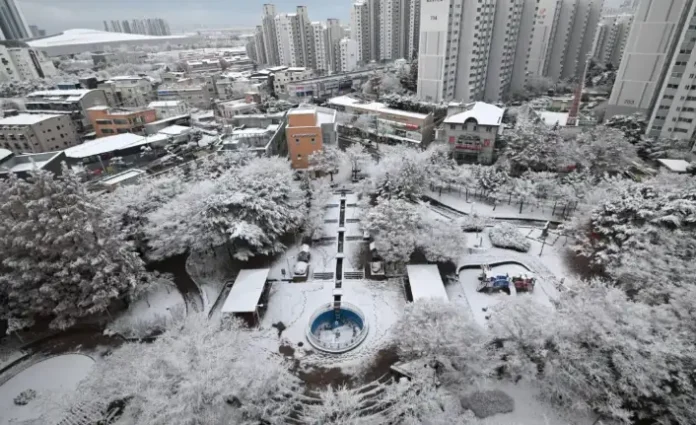
As winter tightens its icy grip on the Korean Peninsula, South Korea finds itself in the midst of a severe weather crisis. A relentless snowstorm has blanketed the nation, causing widespread disruption and tragically claiming at least four lives. This unprecedented weather event has thrust the country into a state of emergency, testing the resilience of its infrastructure and the spirit of its people.
For two consecutive days, South Korea has battled against the elements, with the capital city Seoul experiencing its third-heaviest snowfall since record-keeping began over a century ago. The sudden onslaught of winter has caught many off guard, leading to a series of unfortunate events that have shaken the nation to its core.
As we delve into the details of this winter calamity, we’ll explore the far-reaching impacts on transportation, daily life, and the economy. We’ll also examine the heroic efforts of emergency services and the community’s response to this crisis. Join us as we navigate through the blizzard of information to bring you a comprehensive look at South Korea’s winter ordeal.

The Unprecedented Snowfall
The Korean Peninsula is no stranger to harsh winters, but the recent snowstorm has surpassed all expectations. Meteorological data reveals a staggering accumulation of snow, particularly in the capital region, setting new records and challenging the country’s preparedness for extreme weather events.
Record-Breaking Measurements
In parts of Seoul, snow depths reached an astounding 40 centimeters (16 inches) by early morning. This extraordinary accumulation occurred within a remarkably short timeframe, catching both authorities and citizens off guard. The rapid buildup of snow on streets, rooftops, and infrastructure created immediate and severe challenges for the city’s operations.
Historical Context
To put this event into perspective, it’s crucial to understand its historical significance. According to the Korea Meteorological Administration, this snowfall ranks as the third-heaviest recorded in Seoul since the beginning of official weather records in 1907. Such a distinction underscores the exceptional nature of this winter storm and its potential long-term implications for climate patterns in the region.
Geographical Spread
While Seoul bore the brunt of the snowfall, the storm’s impact was felt far beyond the capital’s boundaries. Surrounding provinces, including Gyeonggi-do, experienced similar heavy snow conditions. The widespread nature of the snowfall complicated rescue and relief efforts, as resources were stretched thin across a vast affected area.
Meteorological Factors
Experts attribute this unusual weather pattern to a combination of factors. Warmer-than-average sea surface temperatures in the waters west of the Korean Peninsula collided with a sudden influx of cold air from the north. This collision of warm and cold air masses created the perfect conditions for intense snowfall, resulting in the record-breaking accumulations witnessed across the country.
The Human Toll: Lives Lost and Injuries Sustained
The severity of the snowstorm has tragically resulted in the loss of human life, with at least four fatalities reported as of the latest count. These deaths serve as a somber reminder of the dangers posed by extreme weather conditions and the importance of preparedness and caution during such events.
Fatalities Due to Structural Collapses
Two of the reported deaths occurred due to the collapse of structures under the weight of accumulated snow. In a heartbreaking incident, a person lost their life when a protective netting at a golf driving range gave way under the heavy snow load. Another individual perished when a similar collapse occurred at a car park, where a protective tent succumbed to the weight of the snow.
Traffic-Related Casualties
The treacherous road conditions brought about by the sudden snowfall led to fatal accidents on the highways. At least two individuals lost their lives in traffic-related incidents east of Seoul. These tragedies highlight the increased risks of travel during severe weather events and the need for extreme caution when venturing out in such conditions.
The Wonju Highway Pile-up
One of the most alarming incidents occurred on a highway near the central city of Wonju in Gangwon province. A massive 53-vehicle pile-up resulted in injuries to 11 people. This catastrophic event underscores the challenges faced by drivers in navigating snow-covered roads and the potential for chain-reaction accidents in low-visibility conditions.
Injuries and Near-Misses
Beyond the fatalities, numerous injuries have been reported across the affected regions. From slips and falls on icy sidewalks to minor collisions on snow-packed streets, the storm has left its mark on the population’s health and well-being. Emergency services have been working tirelessly to respond to the influx of weather-related injuries and accidents.
Transportation Chaos: Air, Sea, and Land Travel Disrupted
The heavy snowfall has thrown South Korea’s transportation systems into disarray, affecting air, sea, and land travel. This widespread disruption has not only inconvenienced travelers but also impacted the country’s economy and supply chains.
Air Travel Turmoil
Incheon International Airport, South Korea’s primary gateway to the world, bore the brunt of the storm’s impact on air travel. The airport experienced significant operational challenges, leading to widespread flight cancellations and delays.
Flight Cancellations
More than 140 flights were cancelled as a result of the adverse weather conditions. This mass cancellation left thousands of passengers stranded and scrambling to make alternative arrangements. The ripple effects of these cancellations were felt not only domestically but also internationally, as Incheon serves as a major hub for flights across Asia and beyond.
Delays and Passenger Inconvenience
For flights that were not outright cancelled, passengers faced average delays of up to two hours. The combination of cancelled and delayed flights created a logistical nightmare for airport staff and airlines alike. Crowded terminals, long queues, and frustrated travelers became the norm as the airport struggled to cope with the backlog of affected flights.
Maritime Transport Halted
The storm’s impact extended to South Korea’s extensive network of ferry services, crucial for connecting the mainland to its numerous islands and coastal communities.
Ferry Service Suspensions
Authorities reported that operations of 99 ferries across 76 routes were suspended due to the hazardous weather conditions. This widespread suspension of maritime transport left many island communities temporarily isolated and disrupted the flow of goods and people between coastal areas.
Economic Impact on Coastal Regions
The halt in ferry services had immediate economic repercussions for coastal towns and islands that rely heavily on daily connections to the mainland. From fresh produce deliveries to tourist arrivals, the suspension of these vital maritime links highlighted the vulnerability of these communities to extreme weather events.
Road Network Challenges
The sudden and heavy snowfall created treacherous conditions on South Korea’s extensive road network, leading to numerous accidents, closures, and delays.
Highway Accidents and Closures
Several major highways experienced partial or complete closures as authorities struggled to clear snow and manage accident scenes. The aforementioned 53-vehicle pile-up near Wonju was just one of many incidents that paralyzed traffic flow across the country.
Urban Transportation Woes
In cities like Seoul, public transportation systems faced significant challenges. Buses and trams struggled to maintain schedules on snow-covered streets, while subway stations dealt with overcrowding as commuters sought alternatives to surface transportation.
Snow Removal Efforts
Municipal and national authorities mobilized snow removal equipment and personnel in a massive effort to clear roads and restore normal traffic flow. However, the sheer volume of snow and its rapid accumulation made this an uphill battle, with many areas remaining impassable for extended periods.
Economic Implications of the Snowstorm
The severe winter weather has had far-reaching economic consequences for South Korea, affecting various sectors and potentially impacting the country’s economic growth forecasts for the quarter.
Retail and Hospitality Sector Impacts
The snowstorm’s timing, just as the holiday shopping season was ramping up, has dealt a significant blow to retailers and the hospitality industry.
Decreased Foot Traffic
With hazardous travel conditions and many choosing to stay indoors, brick-and-mortar stores have seen a sharp decline in customer visits. This reduction in foot traffic has led to lower sales volumes, particularly impacting small and medium-sized businesses that rely heavily on in-person transactions.
Shift to Online Shopping
While physical stores have suffered, there has been a noticeable uptick in online shopping activity. E-commerce platforms and delivery services have reported increased order volumes as consumers opt for the safety and convenience of shopping from home.
Restaurant and Hotel Cancellations
The hospitality sector has been hit hard, with many restaurants seeing a surge in cancellations for reservations. Hotels, particularly those catering to business travelers and tourists, have experienced a wave of booking cancellations as people postpone or cancel their travel plans.
Manufacturing and Production Delays
South Korea’s robust manufacturing sector has not been immune to the storm’s effects, with several industries facing production challenges and delays.
Automotive Industry Slowdown
Major automotive manufacturers have reported temporary production halts or slowdowns due to supply chain disruptions and employee absenteeism. These delays could have ripple effects on global automotive supply chains, given South Korea’s significant role in the industry.
Electronics Production Challenges
The country’s electronics industry, a cornerstone of its export economy, has also faced difficulties. Some factories have reported reduced output due to logistical challenges in receiving components and shipping finished products.
Agricultural Sector Concerns
The unusually heavy snowfall has raised concerns about potential damage to winter crops and the overall impact on the agricultural sector.
Crop Damage Assessment
Agricultural authorities are in the process of assessing the extent of damage to winter crops, particularly in regions that experienced the heaviest snowfall. There are concerns about potential yield reductions in crops such as winter vegetables and fruits.
Livestock Welfare Issues
Farmers have reported challenges in caring for livestock during the extreme weather, with some facing difficulties in transporting feed and maintaining proper shelter conditions for animals.
Insurance and Recovery Costs
The snowstorm is expected to result in a significant number of insurance claims and substantial recovery costs for both the public and private sectors.
Property Damage Claims
Insurance companies are bracing for an influx of claims related to property damage from collapsed structures, water damage from melting snow, and other storm-related incidents.
Infrastructure Repair Expenses
Local and national governments are allocating emergency funds for infrastructure repairs, including road maintenance, public building repairs, and restoration of damaged utilities.
Emergency Response and Community Resilience
In the face of this unprecedented winter crisis, South Korea’s emergency services and communities have demonstrated remarkable resilience and coordination in their response efforts.
Government Mobilization
The South Korean government has activated its emergency response protocols, mobilizing resources at both the national and local levels to address the crisis.
National Emergency Management Agency (NEMA) Activation
NEMA has taken a central role in coordinating the overall response to the snowstorm. The agency has been working around the clock to assess the situation, allocate resources, and provide guidance to local authorities and the public.
Military Assistance
The South Korean military has been called upon to assist in various aspects of the emergency response. Military personnel and equipment have been deployed to help with snow removal, rescue operations, and the distribution of essential supplies to affected areas.
Local Government Initiatives
Municipal governments across the affected regions have implemented localized emergency measures. These include setting up warming centers for those without heat, organizing volunteer snow removal teams, and providing emergency information through various channels.
Community Support Networks
The crisis has brought out the best in many communities, with neighbors helping neighbors and volunteer groups mobilizing to assist those in need.
Volunteer Snow Removal Teams
In many neighborhoods, residents have formed impromptu snow removal teams, working together to clear sidewalks, driveways, and community spaces. This grassroots effort has been crucial in supplementing official snow removal operations.
Support for Vulnerable Populations
Community organizations and volunteers have been actively checking on elderly and disabled residents, ensuring they have adequate heat, food, and medical supplies during the crisis.
Food and Supply Distribution
Local charities and community groups have organized efforts to distribute food and essential supplies to those unable to leave their homes due to the severe weather conditions.
Healthcare System Response
The snowstorm has put additional strain on South Korea’s healthcare system, already under pressure from the ongoing global health situation.
Emergency Medical Services Adaptations
Ambulance services have had to adapt to the challenging road conditions, with some services utilizing specialized vehicles equipped for snow travel to reach patients in need.
Hospital Preparedness
Hospitals across the affected regions have implemented emergency protocols, including measures to ensure staff can reach their workplaces and maintaining adequate supplies of essential medications and equipment.
Telehealth Services Expansion
To reduce the need for in-person visits during the hazardous weather, many healthcare providers have expanded their telehealth services, allowing patients to consult with doctors remotely.
Public Communication Strategies
Effective communication has been crucial in managing the crisis and ensuring public safety.
Emergency Alert Systems
The government has made extensive use of its emergency alert system, sending text messages to mobile phones with critical updates and safety instructions.
Social Media Engagement
Official agencies and local governments have leveraged social media platforms to provide real-time updates, share safety tips, and respond to public inquiries.
Traditional Media Collaboration
Television and radio stations have played a vital role in disseminating emergency information, providing continuous coverage of the storm and its impacts.

Long-Term Implications and Future Preparedness
As South Korea begins to emerge from the immediate crisis, attention is turning to the long-term implications of this extreme weather event and how the country can better prepare for future occurrences.
Climate Change Considerations
The severity of this snowstorm has reignited discussions about climate change and its potential impact on Korea’s weather patterns.
Reassessing Climate Models
Meteorologists and climate scientists are analyzing data from this event to refine climate models and improve long-term weather predictions for the Korean Peninsula.
Adaptation Strategies
Policymakers are considering new strategies to adapt to potentially more frequent extreme weather events, including infrastructure improvements and changes to urban planning guidelines.
Infrastructure Resilience
The storm has exposed vulnerabilities in various aspects of South Korea’s infrastructure, prompting calls for improvements and upgrades.
Power Grid Enhancements
Efforts are underway to assess and enhance the resilience of the power grid to withstand severe winter conditions, including measures to prevent widespread outages.
Transportation System Upgrades
Plans are being developed to improve the winter-readiness of transportation systems, including better snow removal capabilities for airports and highways.
Emergency Preparedness Reforms
The response to this crisis is being carefully evaluated to identify areas for improvement in emergency preparedness and response.
Early Warning Systems
There are calls to enhance early warning systems for extreme weather events, ensuring that the public and authorities have more time to prepare and respond.
Resource Allocation Review
Government agencies are reviewing their resource allocation strategies to ensure more efficient distribution of emergency supplies and personnel during future crises.
Economic Recovery and Support
As the immediate crisis subsides, attention is turning to economic recovery and support for affected businesses and individuals.
Small Business Support Programs
The government is considering implementing support programs for small businesses that have been severely impacted by the storm, including low-interest loans and tax relief measures.
Tourism Recovery Initiatives
Plans are being developed to boost the tourism sector once conditions improve, including promotional campaigns to attract visitors back to affected areas.
Public Education and Awareness
There is a renewed focus on educating the public about winter safety and emergency preparedness.
School Curriculum Updates
Proposals are being considered to incorporate more comprehensive disaster preparedness education into school curricula, focusing on practical skills and knowledge for various emergency scenarios.
Community Preparedness Programs
Local governments are planning to expand community-based preparedness programs, including regular drills and workshops on emergency response.
As South Korea continues to navigate the aftermath of this historic snowstorm, the resilience and adaptability demonstrated by its people and institutions provide a strong foundation for recovery and future preparedness. The lessons learned from this event will undoubtedly shape the country’s approach to extreme weather events for years to come, ensuring that it is better equipped to face whatever challenges nature may bring in the future.




 and then