








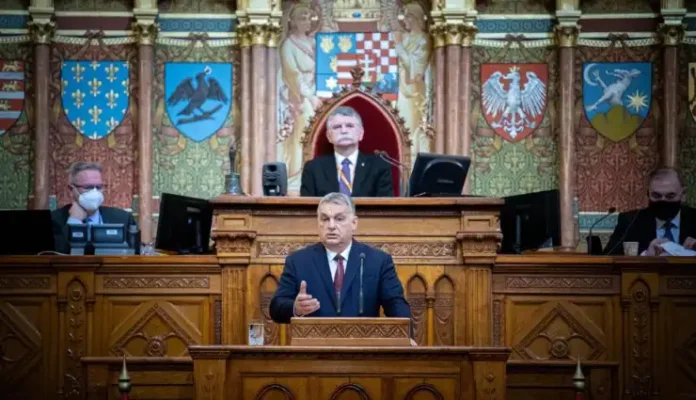
The recent constitutional amendments passed by Hungary’s parliament mark a significant turning point in the country’s socio-political landscape, particularly regarding the rights of LGBTQ+ individuals and dual nationals. This legislative shift, backed by Prime Minister Viktor Orbán’s government, is seen as a move towards consolidating what many are calling an “illiberal democracy.” The implications of these changes are profound, not just for those directly affected, but for Hungary’s standing within the European Union and its broader societal fabric.
Table of Contents

Background of Hungary’s Political Climate
Since Viktor Orbán’s return to power in 2010, Hungary has witnessed a systematic erosion of democratic norms. Critics argue that his government has increasingly targeted various groups, including the LGBTQ+ community, independent media, and civil society organizations. This trend has raised alarms among human rights advocates and legal scholars, who warn of a slide into authoritarianism.
The Rise of Nationalism
Orbán’s administration has embraced a nationalist agenda, framing its policies as necessary for the protection of Hungarian values and identity. This rhetoric resonates with a segment of the population that feels threatened by globalization and external influences. As a result, the government has positioned itself as a defender of traditional family structures and national sovereignty.
The Role of the Fidesz Party
The ruling Fidesz party, under Orbán’s leadership, has consolidated power through various means, including constitutional changes that limit checks and balances. This consolidation has often been justified under the guise of protecting the nation from perceived threats, both internal and external. The recent amendments are a continuation of this strategy, aiming to solidify Fidesz’s hold on power ahead of upcoming elections.
Key Provisions of the Constitutional Amendments
The amendments passed on April 14, 2024, introduce several controversial provisions that directly impact the rights of LGBTQ+ individuals and dual nationals. These changes have sparked widespread protests and condemnation from various quarters.
Restrictions on LGBTQ+ Rights
One of the most significant aspects of the amendments is the explicit prohibition of public events organized by LGBTQ+ communities. This move has been framed as a measure to safeguard children’s rights to moral and physical development, echoing similar rhetoric used by conservative governments worldwide.
- Prohibition of Pride Events: The amendments effectively ban events like the Budapest Pride parade, which has been a symbol of LGBTQ+ visibility and rights in Hungary. The government argues that such events are harmful to children, a claim that critics vehemently dispute.
- Legal Recognition of Gender: The amendments also codify the notion that only male and female genders exist, disregarding the identities of transgender and non-binary individuals. This legal framework serves to further marginalize these communities and deny them recognition.
Dual Nationals and Citizenship Stripping
Another critical provision of the amendments allows for the temporary suspension of citizenship for dual nationals deemed a threat to national security. This clause raises concerns about arbitrary governance and the potential for political persecution.
- Targeting Foreign Influences: The government has suggested that this measure aims to combat foreign influences, particularly targeting individuals and organizations associated with Hungarian-American philanthropist George Soros. By framing this as a national security issue, the government seeks to rally support among its base.
- Implications for Hungarian-Americans: For many dual nationals, this provision creates uncertainty and fear regarding their status in Hungary. It raises questions about the rights of those who hold citizenship in multiple countries and the criteria used to determine who poses a threat.
Public Reaction and Protests
The passage of these amendments has ignited a wave of protests across Hungary, with many citizens expressing their outrage at the government’s actions. Activists and opposition parties have rallied against what they perceive as an assault on democracy and human rights.
Opposition Mobilization
Opposition parties, particularly those aligned with the liberal Momentum movement, have been vocal in their condemnation of the amendments. They argue that these changes represent a significant step backward for Hungary, undermining the rights of marginalized communities.
- Protest Actions: Demonstrators have taken to the streets, chanting slogans against the government’s policies and calling for the protection of LGBTQ+ rights. Some activists have even resorted to chaining themselves together in symbolic protests, reminiscent of earlier struggles against authoritarianism.
- Political Divisions: The government’s actions have also served to deepen divides within the opposition, as different factions grapple with how best to respond to the rising tide of nationalism and authoritarianism.
International Condemnation
The amendments have drawn criticism not only from domestic actors but also from international organizations and human rights groups. Concerns have been raised about Hungary’s compliance with EU values and human rights standards.
- EU Response: The European Union has expressed its discontent with Hungary’s trajectory under Orbán’s leadership. Discussions about potential sanctions or legal actions have emerged, although the effectiveness of such measures remains to be seen.
- Global Human Rights Advocacy: Organizations such as Amnesty International and Human Rights Watch have condemned the amendments, urging the Hungarian government to uphold its commitments to human rights and equality.
The Broader Implications for Hungarian Society
These constitutional changes are not merely legal adjustments; they represent a broader ideological shift within Hungarian society. The government’s framing of LGBTQ+ rights as a threat to traditional values resonates with a significant portion of the population, reflecting deeper societal divisions.
The Impact on LGBTQ+ Individuals
For many LGBTQ+ individuals in Hungary, the amendments have created an atmosphere of fear and uncertainty. The government’s stance has led to increased discrimination and social stigma, making it more challenging for individuals to live openly and authentically.
- Mental Health Concerns: The psychological toll of living in a hostile environment can be significant. Many LGBTQ+ individuals report feelings of isolation and anxiety as a result of the government’s actions.
- Community Resilience: Despite these challenges, the LGBTQ+ community in Hungary has shown remarkable resilience. Activists continue to organize and advocate for their rights, seeking to create safe spaces and support networks.
National Identity and Values
The amendments reflect a broader struggle over national identity in Hungary. The government’s emphasis on traditional family values and national sovereignty appeals to a segment of the population that feels disillusioned by globalization and cultural change.
- Cultural Backlash: This backlash against perceived external influences has led to a resurgence of nationalist sentiment, which the government has skillfully leveraged to consolidate its power.
- Future Generations: The long-term implications of these amendments for Hungary’s youth are concerning. The messaging around LGBTQ+ rights and dual citizenship could shape attitudes and beliefs for generations to come.

Conclusion: A Critical Juncture for Hungary
The recent constitutional amendments in Hungary represent a critical juncture for the country. As the government continues to push its nationalist agenda, the rights of LGBTQ+ individuals and dual nationals hang in the balance. The backlash against these changes highlights the resilience of civil society and the ongoing struggle for human rights in Hungary.
The Path Forward
Looking ahead, the future of LGBTQ+ rights and democratic governance in Hungary remains uncertain. The opposition must navigate a complex political landscape while advocating for the rights of marginalized communities. International pressure may play a crucial role in shaping the government’s actions and holding it accountable for its commitments to human rights.
- Advocacy and Solidarity: Continued advocacy from both domestic and international actors will be essential in supporting those affected by these amendments. Solidarity movements can amplify voices and push for meaningful change.
- Engagement in Democracy: Ultimately, the fight for rights and freedoms in Hungary is part of a broader struggle for democracy. Engaging citizens in the political process and fostering dialogue around these issues will be crucial for building a more inclusive society.
As Hungary stands at this crossroads, the choices made today will determine the trajectory of the nation for years to come. The resilience of its people and the strength of its civil society will be paramount in shaping a future that honors the rights and dignity of all citizens.




 and then