








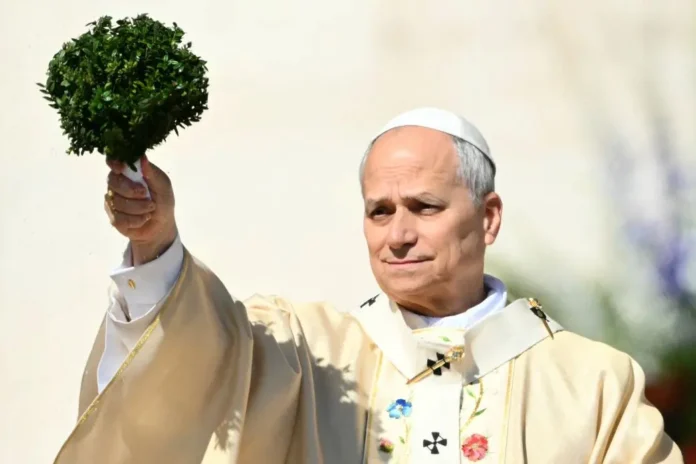
On Easter, Pope Leo delivered a forceful and globally resonant message calling for peace, reconciliation, and moral responsibility amid ongoing conflicts worldwide.
KumDi.com
Speaking from the Vatican during one of Christianity’s most symbolically powerful celebrations, his address directly confronted escalating wars, humanitarian crises, and deepening geopolitical divisions. The message was clear: lasting peace requires not only political negotiation, but also ethical leadership, collective accountability, and a renewed commitment to human dignity.
This article examines the meaning, context, and global implications of Pope Leo’s Easter message—analyzing why it matters in 2026, how it aligns with historical papal teachings, and what it signals for policymakers, faith communities, and international relations.
Table of Contents

The Core Message: Peace Rooted in Human Dignity
At the heart of Pope Leo’s Easter address was a principle deeply embedded in Catholic social teaching: peace is inseparable from justice and human dignity.
Key Themes from the Address
- Immediate ceasefire appeals in active war zones
- Protection of civilians, especially children and refugees
- Condemnation of weapons escalation, including advanced military technologies
- Call for dialogue over dominance in international relations
- Moral accountability of global leaders
Unlike purely diplomatic statements, the Pope’s message framed peace not as a political option, but as a moral obligation.
Why Easter Matters: Symbolism and Strategic Timing
Easter is the most significant event in Christianity, symbolizing resurrection, renewal, and hope after suffering. Delivering a peace message on this day amplifies its emotional and spiritual weight.
Strategic Importance
- Global Audience Reach: Easter messages are broadcast worldwide
- Interfaith Resonance: Themes of renewal transcend Christianity
- Moral Framing: Positions peace as a universal ethical imperative
From a communications perspective, this timing maximizes both visibility and impact, aligning spiritual symbolism with urgent geopolitical realities.
Global Context in 2026: A World Under Strain
Pope Leo’s message comes at a time when multiple regions are experiencing prolonged or escalating conflict. While specific conflicts vary, several patterns define the current global landscape:
Key Conflict Trends
- Prolonged regional wars with no clear resolution
- Hybrid warfare, including cyber and economic dimensions
- Civilian displacement at record levels
- Polarized international alliances
- Reduced effectiveness of traditional diplomacy
According to recent international policy analyses, modern conflicts are increasingly complex, involving non-state actors, technological warfare, and fragmented political interests. This complexity makes traditional peace negotiations more difficult—and increases the relevance of moral leadership voices like the Pope.
Historical Perspective: Papal Influence on Peace
Pope Leo’s message follows a long tradition of papal engagement in global peace efforts.
Notable Precedents
- Calls for peace during both World Wars
- Mediation efforts in Cold War tensions
- Advocacy against nuclear proliferation
- Support for humanitarian corridors in conflict zones
Historically, papal interventions do not directly end wars—but they shape global discourse, influence public opinion, and sometimes open pathways for diplomatic engagement.
Mechanisms of Influence: How Religious Leadership Impacts Global Affairs
While the Vatican holds no military power, it exerts influence through several mechanisms:
1. Moral Authority
Religious leaders can:
- Frame conflicts in ethical terms
- Influence billions of followers
- Pressure political leaders indirectly
2. Diplomatic Channels
The Vatican maintains:
- Diplomatic relations with over 180 countries
- Neutral positioning in most conflicts
- Experience in mediation efforts
3. Humanitarian Networks
Catholic organizations operate:
- Hospitals and refugee centers
- Aid distribution systems
- Crisis response initiatives
These networks allow the Church to translate moral messages into practical action.
Real-World Impact: From Message to Action
Case Example: Humanitarian Corridors
In previous conflicts, papal appeals have:
- Accelerated negotiations for civilian evacuation routes
- Increased international funding for relief efforts
- Raised global awareness of overlooked crises
Case Example: Public Sentiment Shift
Large-scale addresses often:
- Influence media narratives
- Mobilize grassroots peace movements
- Encourage interfaith cooperation
While not immediate solutions, these effects contribute to long-term conflict de-escalation environments.
Risks and Limitations of Peace Messaging
Despite its importance, such a message faces several structural limitations:
1. Political Resistance
Governments may:
- Prioritize strategic interests over moral appeals
- Dismiss external influence
2. Media Fragmentation
In 2026:
- Audiences are divided across platforms
- Messages may not reach all stakeholders equally
3. Complexity of Modern Warfare
Conflicts today involve:
- Multiple actors with conflicting agendas
- Economic and technological incentives for continuation
These factors limit the immediate effectiveness of any single speech, regardless of its authority.
Practical Takeaways: What This Means for Different Stakeholders
For Policymakers
- Reinforces the importance of ethical frameworks in diplomacy
- Highlights global expectations for civilian protection
For Humanitarian Organizations
- Provides a platform to amplify funding and awareness campaigns
- Strengthens advocacy for neutral aid access
For Individuals and Communities
- Encourages grassroots peacebuilding initiatives
- Promotes intercultural dialogue and empathy
The Broader Implication: A Shift Toward Ethical Global Leadership
Pope Leo’s Easter message reflects a growing recognition that technical solutions alone cannot resolve global conflicts. Military strategy, economic sanctions, and political negotiations must be complemented by:
- Ethical leadership
- Cultural understanding
- Human-centered policy design
This aligns with broader 2026 trends in global governance, where values-based frameworks are increasingly integrated into policy discussions.
A Message That Extends Beyond Religion
Pope Leo’s Easter address is not only a religious statement—it is a strategic, ethical intervention in global discourse. By framing peace as a universal responsibility, the message transcends faith boundaries and speaks to governments, institutions, and individuals alike.
In a world marked by fragmentation and conflict, such messages serve a critical function: they remind humanity of shared values that persist beyond politics, borders, and ideology.
While the immediate impact may be limited, the long-term significance lies in shaping how peace is understood—not merely as the absence of war, but as the presence of justice, dignity, and collective responsibility.
FAQs
What was the main message of Pope Leo’s Easter address in 2026?
Pope Leo’s Easter message focused on the urgent need for global peace, calling for immediate ceasefires, protection of civilians, and renewed diplomatic dialogue. He emphasized that peace is a moral responsibility grounded in human dignity, not just a political objective.
Why is the Easter message from the Pope significant globally?
The Pope’s Easter message reaches a worldwide audience and carries strong moral authority. Delivered on Christianity’s most important day, it influences global discourse, shapes public opinion, and can encourage diplomatic and humanitarian action.
How does Pope Leo’s message address current global conflicts?
Pope Leo directly highlighted the human cost of ongoing wars, including civilian suffering and displacement. He urged world leaders to prioritize dialogue over military escalation and to seek peaceful, sustainable solutions.
Can papal messages actually influence global peace efforts?
While papal messages do not directly end conflicts, they play a significant role in shaping international dialogue, mobilizing humanitarian efforts, and increasing pressure on political leaders to pursue peace initiatives.
What actions did Pope Leo call for in his Easter speech?
He called for ceasefires in conflict zones, humanitarian access for affected populations, responsible leadership from governments, and a global commitment to justice, reconciliation, and long-term peacebuilding.




 and then