








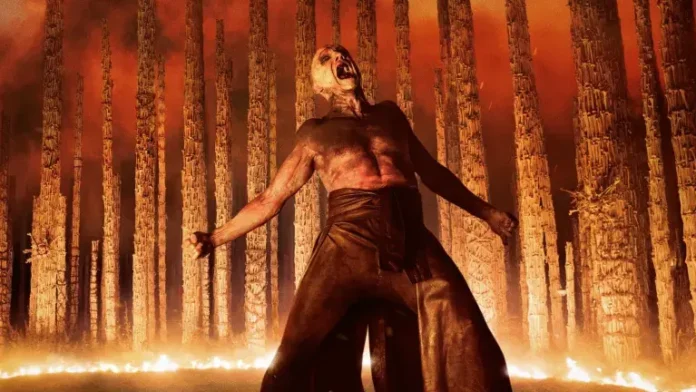
28 Years Later: The Bone Temple is a post-apocalyptic horror sequel that explores cult psychology, survival ethics, and human morality 28 years after the outbreak. Directed by Nia DaCosta and written by Alex Garland, the film elevates zombie horror through powerful performances, philosophical depth, and unsettling realism.
KumDi.com
28 Years Later: The Bone Temple review examines how this ambitious sequel transforms the franchise from survival horror into a disturbing exploration of faith, memory, and moral decay. With intense performances, striking visuals, and bold storytelling, the film stands as one of the most thought-provoking post-apocalyptic zombie movies of the decade.
28 Years Later: The Bone Temple arrives in theaters on January 16, 2026 as the fourth major installment in the 28 Days Later horror franchise. Directed by Nia DaCosta and penned by original franchise writer Alex Garland, the film aims to push the boundaries of the post-apocalyptic genre while exploring profound themes of faith, trauma, humanity, and survival. With standout performances from Ralph Fiennes, Jack O’Connell, and Alfie Williams, The Bone Temple is equal parts visceral horror spectacle, philosophical meditation, and genre subversion.
Table of Contents

A Sequel That Both Honors and Redefines the Franchise
From its inception with 28 Days Later (2002), the series has evolved from a thrilling zombie-infested horror into a broader exploration of human psychology and societal collapse. The Bone Temple continues this evolution, stepping away from the familiar “run-from-zombies” formula. Instead, it focuses on the idea of monstrous humanity, embodied not merely by the infected, but by the survivors themselves.
The story picks up after the events of 28 Years Later (2025), charting a chaotic world 28 years into a never-ending outbreak. The plot centers on Spike (Alfie Williams), a young survivor forced deeper into peril than ever before, and Dr. Ian Kelson (Ralph Fiennes), a lonely scientist trying to preserve meaning and memory amid relentless violence. Their journeys interplay with the terrifying cult of the Jimmies — a group of savage zealots led by the unpredictable Sir Lord Jimmy Crystal (Jack O’Connell).
Thematic Depth: Humanity After Apocalypse

Unlike typical zombie fare, The Bone Temple poses unsettling questions about humanity’s spiritual and moral compass after society’s collapse. Where earlier films contrasted humanity with the infected, here the true monsters are civilised survivors who construct new belief systems and hierarchies in the void left by civilization.
1. The Cult of the Jimmies
Jack O’Connell’s Sir Lord Jimmy Crystal is more terrifying for his humanity than any undead creature. Inspired by media figures and culture memes — his followers mimic his every move, creating a grotesque pseudo-theology that fills the void left by lost institutions. The cult’s rituals, designed to reinforce loyalty and submission, are chilling testimonies to humanity’s capacity for self-destruction and blind devotion.
2. Dr. Ian Kelson: Memory and Mourning
Ralph Fiennes delivers one of his most memorable performances in recent memory. As Dr. Kelson, he is neither traditional hero nor antihero. Instead, he embodies hope in its most fragile form — a man committed to remembering the dead and caring for the infected in ways others have forgotten. His personal project, a bone monument to fallen victims, serves as both a physical and existential reminder that memory matters in a world that has lost nearly everything.
Narrative Structure: Dual Paths of Survival
The film’s narrative unfolds through dual trajectories: Spike’s descent into the cult’s madness and Kelson’s philosophical odyssey. This parallel storytelling expands the franchise’s emotional canvas:
- Spike’s Arc: Once the hopeful heart of the series, Spike’s story here is grim and unsettling. His forced induction into the Jimmies turns his innocence into psychological horror, forcing audiences to confront how easily childhood ends in a world without norms.
- Kelson’s Arc: Whereas Spike’s path represents existential decline, Kelson’s symbolizes existential resistance — a man afraid of hope because he’s lost so much, yet stubbornly fighting to preserve meaning.
This narrative choice pays off — though not without risks. Some critics argue the film’s structure feels tonally uneven as it jumps from lament to gore to absurdity in rapid succession. However, others see this as emblematic of the fractured psyche of post-apocalyptic humanity.
Visuals, Sound, and Direction
Nia DaCosta’s direction is audacious. Gone is the gritty, documentary-style realism of early entries; in its place is an aesthetic that shifts between surreal beauty and unsettling carnage. Cinematographer Sean Bobbitt envelops the film in evocative imagery — from rolling fields to bone-strewn shrines and ritual spaces that feel eerily sacred.
The score by Hildur Guðnadóttir reinforces the unsettling atmosphere, weaving haunting tones that evoke isolation and foreboding. Visual compositions frequently juxtapose serene landscapes with grotesque violence — a reminder that beauty and horror can coexist.
Performances That Anchor the Chaos
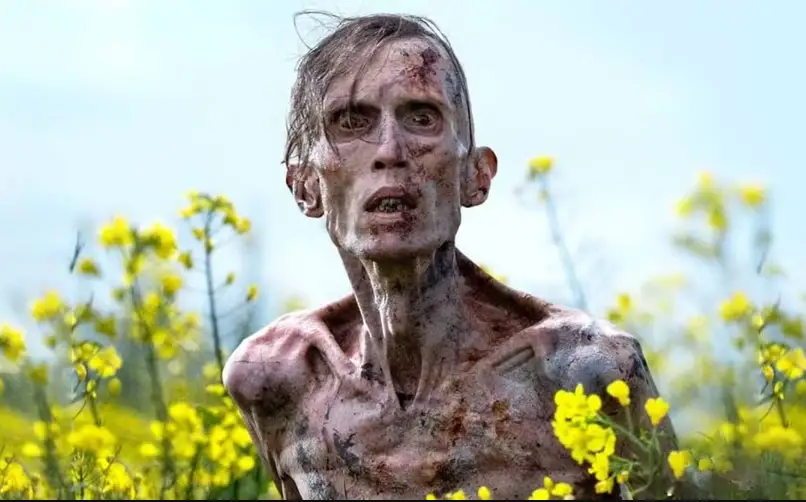
Ralph Fiennes
Fiennes is the emotional core. He delivers a performance that is nuanced, mournful, and occasionally darkly humorous. His subtle expressions convey centuries of grief, and in doing so, he transforms what could be another genre piece into something deeply affecting.
Jack O’Connell
O’Connell’s Jimmy Crystal is charismatic and frighteningly unpredictable. He is both cult leader and warped father figure — an antagonist whose violence is ideologically justified within his own warped worldview.
Alfie Williams
Williams portrays Spike with raw vulnerability. His arc from frightened child to conflicted cult member remains one of the film’s core emotional engines, giving viewers a human stake in the story’s dystopian chaos.
Critical Reception: Acclaim and Debate
The Bone Temple has opened to widespread critical acclaim. Early aggregators like Rotten Tomatoes show a strong 93–95% fresh rating, with many critics praising it as one of the year’s most daring horror films.
Critics highlight:
- Visual and tonal boldness that revitalizes a long-running franchise.
- Strong character work and performances, especially by Fiennes and O’Connell.
- Genre subversion that moves beyond simple zombie horror into philosophical territory.
However, not all responses are uniformly positive. Some reviewers argue the film suffers from uneven tonal shifts, uneven pacing, and occasionally excessive violence that undermines narrative cohesion.
Conclusion: A Landmark in Post-Apocalyptic Cinema
28 Years Later: The Bone Temple is more than a horror sequel — it’s a bold artistic statement. It challenges audiences to reconsider what horror means in a world where society has collapsed and survival has become more psychological than physical. Through memorable performances, striking visuals, and unflinching thematic courage, the film belongs to a rare category of genre cinema that uses fear as a lens to examine meaning, loss, and hope.
Whether you’re a hardcore fan of the franchise or a newcomer curious about atmospheric, idea-driven horror, The Bone Temple is essential viewing — visceral, unsettling, thought-provoking, and unlike anything else in the genre this year.
★★★★☆ Rating: 4.5/5 — A haunting triumph of horror and humanity.

FAQs
Is 28 Years Later: The Bone Temple worth watching?
Yes. 28 Years Later: The Bone Temple review highlights the film as a brutal yet intelligent sequel that expands the franchise with deeper themes, strong performances, and unsettling cult-driven horror.
How is The Bone Temple different from previous 28 Days Later films?
Unlike earlier entries, this 28 Years Later sequel analysis focuses less on infected chaos and more on human ideology, cult behavior, and moral collapse within a post-apocalyptic zombie film setting.
Who stars in 28 Years Later: The Bone Temple?
The film stars Ralph Fiennes, Jack O’Connell, and Alfie Williams, whose performances anchor the emotional and psychological weight of this Bone Temple horror movie.
Is 28 Years Later: The Bone Temple a traditional zombie movie?
No. While it remains a post-apocalyptic zombie film, The Bone Temple prioritizes psychological horror, human conflict, and philosophical storytelling over constant action.
Does The Bone Temple set up future sequels?
Yes. This 28 Years Later: The Bone Temple review confirms the film deliberately expands the franchise’s mythology, leaving narrative threads that strongly suggest future installments.




 and then