








Avatar: Fire and Ash (2025) is a visually spectacular science-fiction sequel that expands Pandora’s world through fire-based tribes and intense action. While its technical achievements impress, the film struggles with pacing and familiar story beats, making it both thrilling and uneven.
KumDi.com
Avatar: Fire and Ash (2025) continues James Cameron’s blockbuster franchise with an emphasis on visual innovation, emotional conflict, and large-scale action. This movie review explores how the film excels in immersive spectacle while falling short in narrative originality, ultimately offering a powerful yet imperfect cinematic experience.
James Cameron’s Avatar: Fire and Ash arrives as the highly anticipated third chapter in the Avatar saga, continuing the narrative thread first woven in Avatar: The Way of Water. With a release that feels poised between artistic ambition and franchise fatigue, this latest installment’s strengths and weaknesses both stem from the very legacy that makes it so noteworthy. In a cinematic era dominated by rapid streaming releases, Fire and Ash stands defiantly as big-screen storytelling at its grandest scale, yet it also exposes the creative challenges that massive, long-running franchises inevitably face.
At its core, Fire and Ash is a story about grief, family, and the pull between peace and conflict on Pandora — a world that, even after three films, remains one of cinema’s most vivid and immersive imaginary landscapes. Picking up where The Way of Water left off, Cameron shifts focus onto Jake Sully, Neytiri, and their extended family as they confront loss, evolving threats, and internal tensions that transcend species and ideology.
Table of Contents
An Immersive Visual Triumph
Unquestionably, Fire and Ash is a visual spectacle of staggering ambition. The film leverages cutting-edge motion capture and CGI technology to render Pandora not merely as a backdrop but as a living, breathing environment. From the glowing ash plains to sky battles that defy gravity, the movie showcases some of the most technically advanced sequences in modern filmmaking. The stunning detail of the environments — whether volcanic outcrops under ember skies or fiery aerial skirmishes — validates the theatrical investment Cameron has demanded for his vision.
Cameron’s mastery of 3D and high frame rate imagery comes to the forefront here, making this film what many consider true IMAX 3D cinema. These technological choices elevate ordinary action into something almost tactile, giving audiences a sense of being physically there in Pandora’s harsher climates. This digital craftsmanship demonstrates that despite the ubiquity of impressive visuals in 2025, Fire and Ash still leads the pack in immersive spectacle.
Storytelling Built on Familiar Ground
However, the film’s narrative architecture is where reactions diverge most sharply. Fire and Ash is structurally and thematically tethered to its predecessor — in fact, many critiques suggest it plays like the second half of The Way of Water. While Avatar films have always been about cyclical struggle and environmental stewardship, this chapter sometimes feels overly cumulative rather than uniquely evolved.
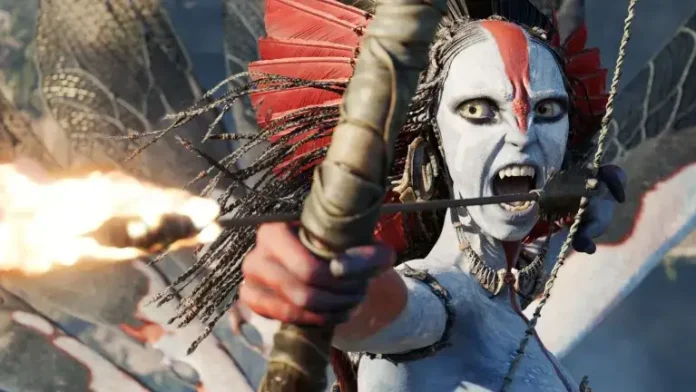
The plot centers on the return of old foes and the rise of new ones. Jake and Neytiri struggle to navigate life after tragedy, wrestling with personal guilt and the broader implications of war. The introduction of the Ash People, a formidable tribal force shaped by fire and hostility, promises fresh conflict but often feels underexplored. Their leader, poised initially as a compelling antagonist with a fierce physical presence, doesn’t receive the depth the concept warrants. As new threats converge on Pandora, questions of identity, loyalty, and survival are raised — yet many of these themes circle familiar territory covered in earlier films.
This reliance on familiar narrative beats can give Fire and Ash a sense of déjà vu, especially for viewers intimately familiar with the previous films. Cannibalized tropes — from resource wars to spiritual communion with Eywa — occupy significant screen time, which some audiences may find comforting, and others find repetitive. The pacing itself, stretched over a runtime exceeding three hours, sometimes blunts emotional urgency. Moments that should crescendo into catharsis instead plateau into extended spectacle.
Character Complexity Vs. Ensemble Overload
Character development here is a mixed bag. Longtime fans will find satisfaction in the return of beloved figures: Sam Worthington’s Jake Sully, now a more weathered and introspective leader; Zoe Saldaña’s Neytiri, whose emotional depth anchors the story; and Sigourney Weaver’s Kiri, whose perspective bridges generations and philosophies. Their performances lend the film a human (or Na’vi) core, especially during quieter, introspective scenes.
Yet the sheer number of characters, clans, and subplots inevitably dilutes individual arcs. Some new additions are visually and conceptually intriguing but lack sufficient narrative bandwidth to leave a lasting impact. The adoption of Spider, the human boy raised by Jake and Neytiri, adds familial complexity but also contributes to occasional pacing drag. Without fully realized development, several arcs feel auxiliary — as though they exist more to expand lore than to deepen emotional resonance.
Returning antagonist Quaritch, now a Na’vi hybrid of human and alien legacies, continues his vendetta with familiar fuel: revenge and resentment. While Stephen Lang’s portrayal maintains its intensity, the character’s motivations largely orbit prior grievances rather than new thematic insight.
Themes: Fire, Ash, and the Echoes of Conflict

At its thematic heart, Fire and Ash explores how trauma shapes collective and personal identities. Grief is not a narrative aside but a protagonist’s burden, influencing decisions and fracturing communal bonds. This emotional core is compelling when the film allows characters space to breathe and reflect — but these moments are often overshadowed by action sequences or sprawling set pieces.
The film also continues Avatar’s long-standing conversation on colonialism, environmental exploitation, and the sanctity of interconnected life. This moral compass remains essential to the franchise’s identity. But in Fire and Ash, these themes sometimes serve more as structural reinforcement than as revelations. In an era where cinema increasingly explores nuance over binaries, this installment hews closer to archetype than to complexity.
Technical Mastery vs. Narrative Ambition
From a technical standpoint, Fire and Ash affirms James Cameron’s legacy as one of cinema’s foremost innovators. His directorial ambition is evident in every meticulously crafted frame, every motion capture nuance, and every panoramic vista. The sound design, choreography of battle, and integration of cutting-edge visual effects elevate the production to event-film status.
Yet technical mastery alone cannot fully compensate for perceived narrative redundancy. The film does not fundamentally reinvent its universe or its characters — instead, it reframes familiar conflicts within even grander scale. For some viewers, this continuation will feel comforting and immersive. For others, it may underscore why so many stories struggle under the weight of expectation.
Conclusion: A Fiery Vision With Ashes of Familiarity
Avatar: Fire and Ash is a cinematic paradox: breathtaking in execution but frustrating in storytelling restraint. It encapsulates the dual nature of franchise filmmaking in the 21st century — relentless innovation married to recognizable patterns. The result is a film that, while not universally acclaimed as the pinnacle of the Avatar saga, undeniably commands attention. It is a testament to what blockbuster cinema can still achieve on the big screen, and yet a reminder that narrative ambition must match visual ambition for a truly transformative experience.
For fans of Pandora and those drawn to immersive spectacle, Fire and Ash delivers a sensory feast that rewards theatrical viewing. For those seeking groundbreaking thematic evolution or leaner storytelling, this chapter may feel as overlong and overwrought as its title suggests. Regardless, it solidifies its place in the ongoing conversation about the future of epic cinema — fire, ash, and all.
FAQs
Is Avatar: Fire and Ash (2025) worth watching?
Yes, Avatar: Fire and Ash (2025) is worth watching for its groundbreaking visual effects and immersive Pandora setting, especially for fans of the franchise, though some may find the story repetitive.
What is Avatar: Fire and Ash (2025) about?
This Avatar: Fire and Ash (2025) movie review highlights a story centered on grief, conflict, and survival as Jake Sully’s family encounters a dangerous fire-based Na’vi tribe, expanding Pandora’s cultural and environmental themes.
How are the visual effects in Avatar: Fire and Ash?
The Avatar Fire and Ash visual effects review confirms the film sets a new benchmark in CGI, motion capture, and 3D immersion, making it one of the most visually advanced movies of 2025.
Does Avatar: Fire and Ash improve on previous Avatar films?
While James Cameron’s Avatar sequel advances technical storytelling and world-building, this Avatar Fire and Ash plot analysis shows it relies heavily on familiar narrative structures rather than bold reinvention.
Is Avatar: Fire and Ash suitable for IMAX or 3D viewing?
Absolutely. Avatar: Fire and Ash (2025) is optimized for IMAX and 3D formats, where its large-scale action, volcanic environments, and cinematic depth are fully realized.




 and then