








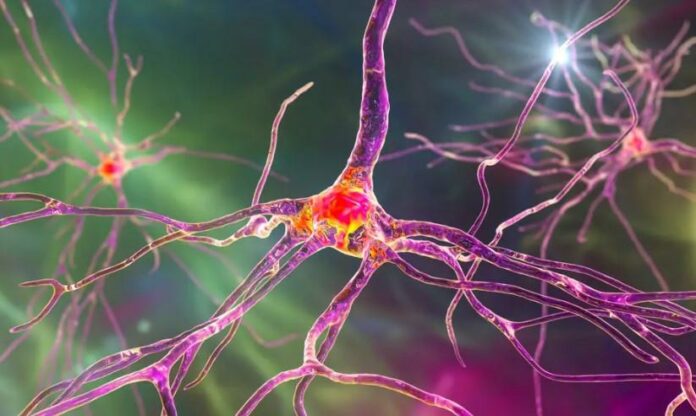
Our brains are incredibly complex and fascinating organs. They are responsible for every thought, feeling, and action we experience, yet they remain shrouded in mystery. However, recent advancements in scientific research have brought us closer to unraveling the secrets of the human brain. Scientists have embarked on a groundbreaking endeavor to map the intricate web of brain cells, providing us with unprecedented insights into what makes us human and how we can better understand and treat neurological disorders such as Alzheimer’s and depression.

A Monumental Atlas of the Human Brain
On October 12, scientists announced a major milestone in brain research. They unveiled a comprehensive atlas of the human brain, mapping over 3,000 types of brain cells. This extraordinary feat was achieved through the collaborative efforts of hundreds of researchers across various institutions and was made possible by the Brain Research through Advancing Innovative Neurotechnologies Initiative’s Cell Census Network.
This ambitious project, funded by the National Institutes of Health, aims to shed light on the complex architecture of the brain. Composed of an astounding 170 billion cells, including 86 billion neurons, the brain is undeniably the most intricate physical structure known to humankind.
Unraveling the Complexity: The Power of Mapping
The human brain atlas represents a significant leap forward in our understanding of the brain. By meticulously cataloging the location, structure, and function of various brain cells, scientists can gain invaluable insights into what sets us apart as humans and what defines us as individuals. Moreover, this atlas enables researchers to compare human brains with those of other animals, including our closest relatives, such as chimpanzees. This comparative analysis helps unravel the evolutionary changes that have shaped our unique cognitive abilities.
Paving the Way for Better Treatments
One of the most promising applications of the brain atlas is in the field of neurological disorders. Conditions such as Alzheimer’s, autism, depression, and schizophrenia have long puzzled scientists due to their complex and multifaceted nature. Many of these disorders are driven by subtle variations in our DNA, but understanding how these genetic changes manifest in individual brain cells has been a daunting challenge.
The human brain atlas serves as a vital resource in decoding the intricate relationship between genetic variations and specific types of brain cells. By linking certain genetic changes to particular cell types, scientists can gain crucial insights into the mechanisms underlying these disorders. For instance, the atlas has revealed that late-onset Alzheimer’s is associated with a specific type of brain cell called microglia, which plays a role in the immune response in the brain. This discovery opens up new avenues for developing targeted treatments that address the root causes of these diseases.
Unmasking the Enigma: Exploring Brain Cell Diversity
The brain atlas has already provided fascinating glimpses into the incredible diversity of brain cells. Scientists have identified unique cell types that are specialized for processing visual information, which are absent in mice but present in primates like chimpanzees and gorillas. These findings highlight the evolutionary changes that have shaped our ability to perceive and interpret the visual world.
One intriguing discovery is the existence of “splatter neurons.” These complex cells, aptly named for their splatter-like appearance in two-dimensional representations, have a distinctive morphology that resembles a Rorschach test. While the exact function of splatter neurons is still not fully understood, their presence underscores the vast complexity of the human brain and the mysteries that remain to be unraveled.
Charting the Path Ahead: The Future of Brain Research
While the human brain atlas represents a monumental achievement, it is merely the beginning of a much larger quest to comprehend the intricacies of the human brain. The National Institutes of Health has funded numerous projects in this field, encompassing diverse aspects of brain research.
In the future, researchers anticipate discovering even more types of brain cells and gaining a deeper understanding of the functions and interactions of the cells already documented. This ongoing exploration will refine and expand our knowledge of the human brain, paving the way for breakthroughs in treating neurological disorders and enhancing our understanding of what it means to be human.
Conclusion

The human brain remains one of the most enigmatic and awe-inspiring organs in existence. With the advent of the human brain atlas, scientists have taken a giant stride towards unraveling its mysteries. This comprehensive map of brain cells provides unprecedented insights into what makes us unique, how our brains differ from other animals, and the underlying mechanisms of neurological disorders.
As researchers continue to delve into the intricacies of the brain, we are on the cusp of a new era in neuroscience. The discoveries made possible by the human brain atlas offer hope for more effective treatments and interventions, transforming the lives of millions affected by neurological disorders. The journey to unlock the secrets of the human brain has only just begun, and the road ahead promises to be filled with exciting discoveries and groundbreaking revelations.




 and then