








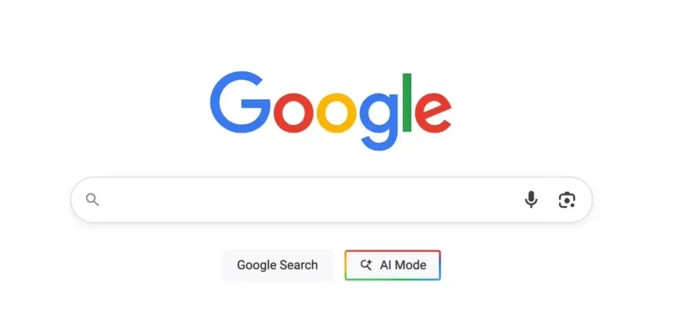

What is Google’s biggest Search overhaul in 25 years? Google’s biggest Search overhaul in 25 years is an AI-powered transformation of Search that allows users to ask longer, more conversational questions, interact through text, images, videos, and documents, and receive intelligent, contextual answers. Powered by Google’s Gemini AI models, the new Search experience supports follow-up questions, multimodal inputs, and AI agents that can help users research, compare information, and monitor updates automatically. This shift moves Search beyond traditional keyword-based queries toward a more interactive and personalized information assistant.
KumDi.com
Google is rolling out the most significant change to Search since its launch more than 25 years ago. Instead of relying primarily on short keyword searches, the new AI-powered search experience encourages longer, conversational questions, supports images, videos, files, and follow-up interactions, and introduces intelligent search agents that can assist users beyond a single search session. The transformation is powered by Google’s Gemini AI models and represents a shift from traditional search results toward AI-assisted information discovery.
For users, this means search becomes more natural and interactive. For businesses, publishers, marketers, and SEO professionals, it signals a fundamental change in how content is discovered, evaluated, and surfaced online.
Table of Contents

What Is Google’s Biggest Search Overhaul?
Google announced a redesigned AI-powered Search experience that it describes as the largest upgrade to Search in over 25 years. At the center of this transformation is an intelligent search box capable of understanding detailed questions, maintaining conversational context, and processing multiple types of inputs beyond text.
Unlike traditional search, where users typically entered short keyword phrases such as:
“best laptop 2026”
Users can now ask:
“I’m a graphic designer who travels frequently and needs a lightweight laptop with excellent battery life and AI features under $1,500. What are my best options?”
The AI system can understand context, preferences, intent, and constraints simultaneously.
Why Google Is Changing Search
The Rise of Conversational AI
The popularity of AI platforms has changed user behavior dramatically. People increasingly expect to interact with technology through natural language rather than keywords.
Traditional search required users to:
- Think in keywords
- Refine queries repeatedly
- Visit multiple websites
- Compare information manually
AI-powered search aims to reduce these steps by generating synthesized answers while still providing access to source material.
Search Behavior Is Becoming More Complex
Google reports that users are increasingly asking detailed, multi-part questions. AI Mode usage has grown rapidly, demonstrating that people prefer conversational interactions when researching complex topics.
This trend reflects a broader shift:
| Traditional Search | AI Search |
|---|---|
| Keywords | Natural language |
| Single question | Multi-step conversations |
| One search at a time | Ongoing context |
| Text only | Multimodal inputs |
| Link discovery | Answer generation |
How the New AI-Powered Search Works
1. Longer and More Natural Queries
One of the most noticeable changes is the ability to submit much longer search requests.
The search box dynamically expands and encourages users to describe exactly what they need. AI-powered suggestions help formulate better questions than traditional autocomplete.
Example
Instead of searching:
- “Tokyo itinerary”
Users may ask:
“Create a five-day Tokyo itinerary focused on anime, local food, and hidden cultural attractions while keeping transportation costs low.”
The AI can understand all requirements simultaneously.
2. Multimodal Search
The new search experience accepts multiple input formats, including:
- Text
- Images
- Videos
- Documents
- Files
- Browser tabs
Users can combine these formats in a single query.
Real-World Example
A traveler can upload:
- A hotel reservation
- A map screenshot
- A photo of a landmark
Then ask:
“Plan the most efficient route for visiting these locations over two days.”
This level of interaction goes beyond traditional search functionality.
3. Conversational Follow-Up Questions
Historically, each Google search was largely independent.
With the new system, context persists across multiple questions.
Example
A user may ask:
“What are the best mirrorless cameras for beginners?”
Then continue:
“Which of those performs best in low light?”
Followed by:
“Compare the top three options under $1,000.”
The AI remembers previous context without requiring users to repeat information.
4. AI Search Agents
One of the most transformative features is the introduction of Search Agents.
These agents can continuously monitor information sources and notify users when relevant updates occur.
Potential Uses
- Real estate monitoring
- Product availability tracking
- Flight price alerts
- Research monitoring
- Industry news tracking
For example:
A researcher could ask:
“Monitor new publications about stem cell therapies and notify me when significant clinical studies are published.”
Instead of repeatedly searching, the AI agent performs the monitoring automatically.
What AI Search Means for Users
Faster Information Discovery
AI-generated responses can reduce the need to open multiple browser tabs.
Users receive:
- Summaries
- Comparisons
- Recommendations
- Contextual explanations
all within a single interaction.
Better Support for Complex Questions
Traditional search often struggled with nuanced requests.
AI search performs better when questions involve:
- Multiple constraints
- Comparative analysis
- Planning tasks
- Personalized recommendations
More Interactive Experiences
Search is evolving from:
Finding information
to
Working with information
This distinction is important because users increasingly want assistance, not just links.
Challenges and Risks of AI-Powered Search
While the benefits are substantial, experts have identified several concerns.
1. Accuracy Challenges
Research has found that AI-generated search summaries occasionally contain unsupported or incomplete claims. One 2026 academic study found that approximately 11% of analyzed AI Overview claims lacked direct support from cited sources.
For this reason, users should:
- Verify important information
- Consult original sources
- Exercise caution with health, legal, and financial advice
2. Reduced Website Traffic
Many publishers worry that AI-generated answers may decrease click-through rates to original websites.
Studies suggest that users are less likely to visit source pages when comprehensive AI summaries are displayed directly within search results.
This creates challenges for:
- News organizations
- Bloggers
- Educational websites
- Independent publishers
3. Source Diversity Concerns
Researchers have observed differences between traditional search rankings and AI-selected sources.
AI systems may surface information differently than conventional search algorithms, raising questions about source visibility and information diversity.
How SEO Changes in the AI Search Era
Traditional SEO Is Still Important
Many marketers initially assumed AI would replace SEO.
Current evidence suggests otherwise.
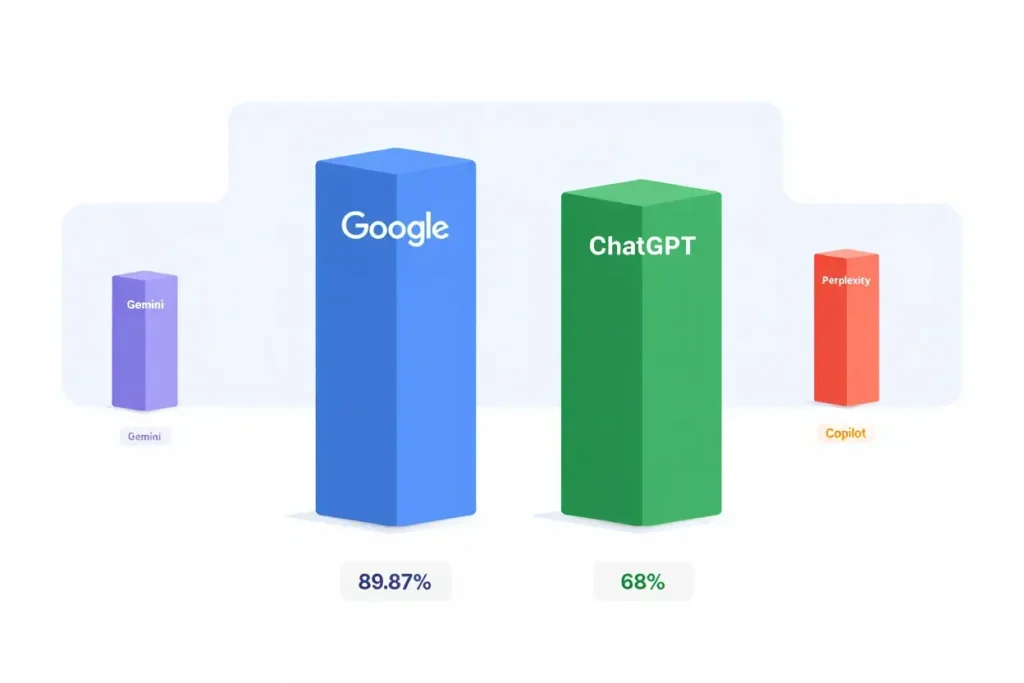
Studies indicate that content performing well in traditional organic rankings remains more likely to appear within AI-generated search experiences.
E-E-A-T Becomes More Important Than Ever
Google’s AI systems increasingly prioritize:
Experience
Real-world expertise and firsthand knowledge.
Expertise
Accurate subject matter understanding.
Authoritativeness
Recognition within a field.
Trustworthiness
Reliable sourcing and factual accuracy.
Content that demonstrates these qualities is more likely to be referenced and cited by AI-powered search systems.
Content Must Answer Complete Questions
Future SEO success depends less on individual keywords and more on comprehensive topic coverage.
Winning content should include:
- Clear definitions
- Step-by-step explanations
- Comparisons
- Examples
- FAQs
- Practical recommendations
This structure aligns with how AI systems extract and summarize information.
What Businesses Should Do Now
Optimize for Conversational Search
Instead of focusing only on keywords, create content that answers real user questions.
Example:
Instead of targeting:
“best CRM software”
Create content answering:
“What is the best CRM software for a small healthcare clinic with fewer than 20 employees?”
Build Topic Authority
AI systems increasingly reward comprehensive expertise.
Businesses should develop:
- Topic clusters
- Expert guides
- Case studies
- Research-backed articles
- Original insights
Create Multimodal Content
As search becomes multimodal, businesses should invest in:
- Videos
- Infographics
- Images
- Interactive tools
- Downloadable resources
These assets may become increasingly visible within AI-powered search experiences.
The Future of Search
Google’s latest overhaul signals a broader transition from search engines to intelligent information assistants.
The future search experience will likely involve:
- Continuous conversations
- Personalized responses
- Autonomous AI agents
- Multimodal interactions
- Predictive information delivery
Rather than searching for information repeatedly, users will increasingly delegate information gathering to AI systems that understand context, goals, and preferences.
Conclusion
Google’s biggest Search overhaul in 25 years marks the beginning of a new era in online information discovery. Powered by Gemini AI, the redesigned search experience supports longer queries, conversational interactions, multimodal inputs, and autonomous search agents that can actively assist users.
For users, the benefits include more intuitive searching, faster answers, and deeper interactions. For businesses and publishers, the shift requires a renewed focus on E-E-A-T, authoritative content, and comprehensive topic coverage.
The core lesson is clear: in the AI search era, success is no longer about ranking for keywords alone. It is about becoming the most trustworthy, useful, and contextually relevant source of information that both humans and AI systems can rely on.
FAQs
What is Google’s biggest Search overhaul in 25 years?
Google’s biggest Search overhaul in 25 years is an AI-driven transformation of its search engine that enables users to ask longer, more conversational questions and receive comprehensive, context-aware answers. Powered by Gemini AI, the new Search experience supports multimodal inputs, follow-up questions, and AI-generated summaries.
How does Google’s AI-powered Search differ from traditional search?
Traditional Google Search primarily relied on keyword matching and ranked web pages. The new AI-powered Search understands natural language, analyzes user intent, processes text, images, videos, and documents, and generates direct answers while providing links to relevant sources.
What are longer and conversational search queries?
Conversational search queries are detailed, natural-language questions that resemble how people speak. For example, instead of searching “best laptop 2026,” users can ask, “What is the best lightweight laptop for a graphic designer who travels frequently and has a budget of $1,500?”
How will Google’s AI Search impact SEO and website traffic?
Google’s AI Search is expected to increase the importance of high-quality, authoritative content that demonstrates Experience, Expertise, Authoritativeness, and Trustworthiness (E-E-A-T). While AI-generated summaries may reduce some clicks, websites that provide comprehensive and credible information are more likely to be cited and surfaced in AI-powered search results.
What should businesses do to prepare for Google’s AI Search era?
Businesses should focus on creating helpful, expert-driven content that answers real user questions, covers topics comprehensively, and incorporates multimedia such as videos, images, and infographics. Optimizing for semantic search, AI Overviews, and E-E-A-T principles will be essential for maintaining visibility in Google’s evolving search ecosystem.




 and then