








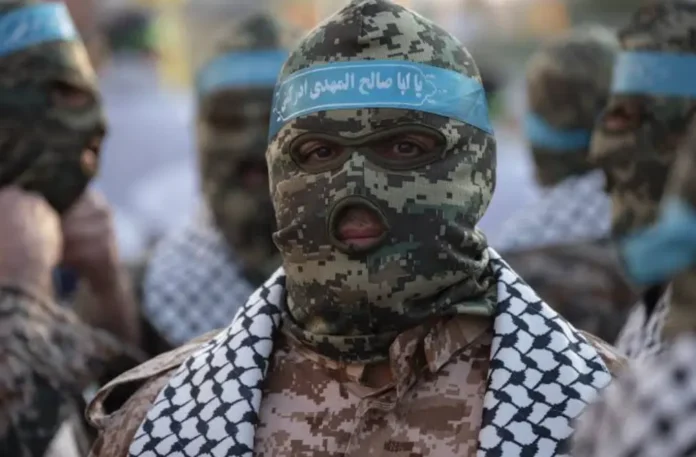

A potential U.S.-Iran War Predictions by Country analysis suggests that any conflict would most likely remain a regional war involving countries such as Israel, Iraq, Syria, Lebanon, Yemen, and Gulf states. Experts expect missile strikes, proxy warfare, cyberattacks, and economic disruption rather than a full-scale global war.
KumDi.com
A direct war between the United States and Iran would almost certainly extend far beyond the borders of the two countries. According to military analysts, intelligence assessments, and geopolitical research available through 2026, any large-scale conflict would likely involve regional proxy groups, strategic allies, maritime chokepoints, cyber operations, and economic disruption rather than a traditional full-scale invasion.
The most likely outcome is not a world war, but a multi-theater regional conflict affecting the Middle East, global energy markets, international shipping, and cybersecurity. The level of involvement would differ significantly by country depending on military alliances, geographic location, economic interests, and domestic political decisions.
This article examines the most credible expert assessments of which countries could become involved, how they might participate, and what the broader global consequences could be.
Table of Contents
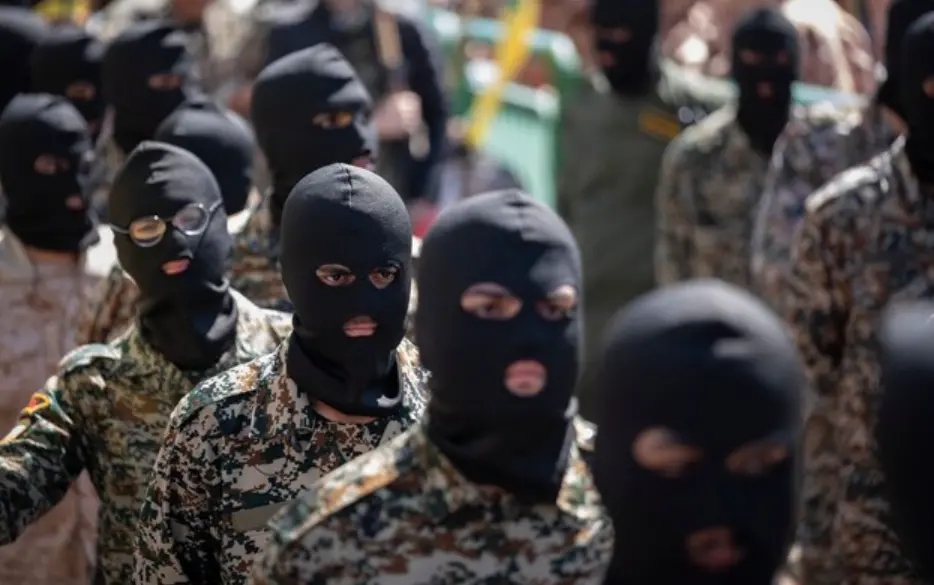
Critical U.S.-Iran War Predictions by Country: Expert 2026 Analysis of Global Risks
If war broke out between the U.S. and Iran:
| Country | Likely Role | Probability of Direct Military Involvement |
|---|---|---|
| United States | Primary combatant | Very High |
| Iran | Primary combatant | Very High |
| Israel | Likely military operations | High |
| Iraq | Conflict spillover | High |
| Syria | Proxy battlefield | High |
| Lebanon | Hezbollah involvement possible | High |
| Yemen | Red Sea attacks possible | High |
| Saudi Arabia | Defensive operations | Medium-High |
| UAE | Defensive support | Medium |
| Qatar | U.S. base operations | Medium |
| Bahrain | U.S. Navy operations | High |
| Jordan | Airspace and security | Medium |
| Turkey | Diplomatic balancing | Low-Medium |
| Russia | Political and diplomatic support | Low |
| China | Economic and diplomatic involvement | Low |
| European NATO members | Political support | Low |
Understanding the Nature of Modern U.S.–Iran Conflict
Unlike conventional interstate wars of the 20th century, military experts generally expect any U.S.–Iran conflict to combine multiple forms of warfare simultaneously:
- Precision missile strikes
- Drone warfare
- Cyberattacks
- Maritime conflict
- Proxy militia operations
- Economic sanctions
- Intelligence operations
- Information warfare
Rather than a single front, fighting would likely occur across several regions at once.
Country-by-Country Predictions
United States
The United States possesses one of the world’s largest global military networks, with major bases across the Middle East.
Possible actions include:
- Air strikes
- Naval operations
- Missile defense
- Cyber operations
- Protection of shipping lanes
- Special operations missions
Experts generally consider a full ground invasion of Iran highly unlikely because of Iran’s geography, population, and military capabilities.
Iran
Iran would likely rely on an asymmetric defense strategy.
Potential responses include:
- Ballistic missiles
- Cruise missiles
- Armed drones
- Naval mines
- Fast attack boats
- Cyber operations
- Regional allied militias
Iran has invested heavily in capabilities designed to offset conventional military disadvantages.
Israel
Israel would almost certainly become one of the most significant secondary participants.
Potential scenarios include:
- Missile interception
- Air strikes
- Intelligence operations
- Defense against rocket attacks
- Operations targeting regional armed groups
Israel maintains extensive missile defense systems including Iron Dome, David’s Sling, and Arrow systems.
Iraq
Iraq could become one of the most affected countries despite attempting neutrality.
Reasons include:
- Presence of U.S. military personnel
- Iran-backed armed groups
- Shared border with Iran
- Critical energy infrastructure
Military analysts frequently identify Iraq as one of the most vulnerable countries to spillover violence.
Syria
Syria remains strategically important due to:
- Iranian military presence
- Israeli air operations
- Russian military bases
- Multiple armed factions
Conflict intensity would likely increase around existing military positions rather than creating entirely new fronts.
Lebanon
Lebanon’s importance centers largely on Hezbollah, one of the region’s most heavily armed non-state actors.
If regional conflict expanded, southern Lebanon could become another active theater.
However, analysts caution that the political and humanitarian costs of escalation make outcomes highly uncertain.
Yemen
The Red Sea has become one of the world’s most strategically important maritime corridors.
In a wider regional conflict, shipping through the Bab el-Mandeb Strait could face increased risks from:
- Missiles
- Drones
- Naval attacks
Such disruptions could affect global supply chains and insurance costs.
Saudi Arabia
Saudi Arabia would likely prioritize:
- Air defense
- Oil infrastructure protection
- Border security
- Cooperation with regional allies
Energy facilities have previously demonstrated vulnerability to drone and missile attacks.
United Arab Emirates
The UAE hosts significant international commercial infrastructure.
Possible responses include:
- Missile defense
- Port security
- Intelligence cooperation
- Maritime monitoring
Its role would likely emphasize defense rather than offensive operations.
Bahrain
Bahrain hosts the headquarters of the U.S. Fifth Fleet.
Consequently, it could become strategically significant in naval operations involving the Persian Gulf.
Qatar
Qatar hosts one of the largest U.S. military installations in the region.
Potential roles include:
- Logistics
- Air operations
- Intelligence
- Humanitarian coordination
At the same time, Qatar has historically maintained diplomatic communication with multiple regional actors.
Jordan
Jordan traditionally emphasizes regional stability.
Likely priorities include:
- Border control
- Refugee management
- Airspace security
- Counterterrorism
Turkey
Turkey occupies a unique geopolitical position.
As a NATO member maintaining relationships with multiple regional powers, analysts generally expect Turkey to pursue:
- Diplomatic mediation
- Border security
- Limited military involvement
- Economic protection
Russia
Russia’s likely involvement would probably remain indirect.
Potential areas include:
- Diplomatic activity
- Intelligence sharing
- Arms cooperation
- Strategic messaging
Most analysts do not expect Russia to enter direct combat against U.S. forces in such a scenario.
China
China has significant economic interests throughout the Middle East.
Its priorities would likely include:
- Energy security
- Maritime trade
- Diplomatic engagement
- Protection of overseas investments
China generally favors regional stability because it imports substantial quantities of Middle Eastern energy.
European Countries
European NATO members would most likely support:
- Maritime security
- Intelligence cooperation
- Diplomatic initiatives
- Humanitarian assistance
Direct large-scale combat participation would depend on political decisions made by individual governments.
The Most Critical Geographic Flashpoints
1. Strait of Hormuz
Approximately one-fifth of globally traded petroleum passes through this narrow waterway, making it one of the world’s most strategically important maritime chokepoints. Disruption could significantly affect oil prices and global shipping.
2. Red Sea
Commercial shipping between Europe and Asia relies heavily on Red Sea transit.
Military activity here could influence:
- Shipping costs
- Insurance premiums
- Global supply chains
3. Eastern Mediterranean
This region contains numerous naval forces and energy infrastructure, increasing its strategic significance during regional crises.
4. Iraq–Iran Border
The long shared border presents logistical and security challenges that could affect military operations and humanitarian conditions.
Possible Stages of Escalation
Military experts often describe escalation as occurring in phases rather than all at once.
Phase 1
- Diplomatic breakdown
- Increased sanctions
- Intelligence operations
- Cyber activity
Phase 2
- Limited missile exchanges
- Drone attacks
- Naval incidents
Phase 3
- Regional proxy involvement
- Expanded air operations
- Maritime disruption
Phase 4
- International mediation
- Ceasefire negotiations
- Reconstruction planning
Actual events could differ substantially, and escalation is not inevitable.
Economic Consequences
A major regional conflict could affect:
Energy Markets
Potential impacts include:
- Higher oil prices
- Increased natural gas volatility
- Strategic petroleum reserve usage
Shipping
Shipping companies could face:
- Longer routes
- Increased insurance costs
- Port congestion
- Delivery delays
Financial Markets
Possible effects include:
- Market volatility
- Currency fluctuations
- Higher transportation costs
- Inflationary pressure
Cybersecurity Risks
Modern conflicts increasingly involve cyber operations targeting:
- Banking systems
- Energy infrastructure
- Government networks
- Transportation systems
- Telecommunications
Organizations often strengthen cybersecurity preparedness during periods of geopolitical tension.
Humanitarian Considerations
Regional conflict could result in:
- Civilian displacement
- Refugee movements
- Healthcare disruption
- Infrastructure damage
- Food insecurity
International humanitarian organizations typically emphasize civilian protection under international humanitarian law.
Why Experts Consider a Full-Scale Invasion Unlikely
Several factors reduce the likelihood of a prolonged conventional invasion of Iran:
- Mountainous terrain
- Large population
- Significant missile capabilities
- Regional proxy networks
- High financial costs
- Risk of broader regional escalation
As a result, many defense analysts assess that any conflict would more likely involve air, maritime, cyber, and proxy operations rather than sustained occupation.
How Governments Attempt to Prevent Escalation
Common de-escalation mechanisms include:
- Diplomatic negotiations
- Back-channel communication
- Regional mediation
- Economic incentives
- International monitoring
- Ceasefire agreements
History shows that even during periods of intense tension, diplomatic efforts often continue alongside military preparedness.
FAQs
Which countries are most likely to become involved in a U.S.-Iran war?
The most credible U.S.-Iran War Predictions by Country indicate that Israel, Iraq, Syria, Lebanon, Yemen, Bahrain, Saudi Arabia, Qatar, and the United Arab Emirates would face the highest likelihood of direct or indirect involvement due to military alliances, regional security interests, and geographic proximity.
Would a U.S.-Iran conflict become a global war?
Most Middle East war predictions suggest that a direct U.S.-Iran conflict would remain primarily regional. Although global energy markets, shipping routes, and cybersecurity could be affected, experts generally do not expect the conflict to automatically escalate into a worldwide war involving all major powers.
How could a U.S.-Iran war affect global oil prices?
A U.S. Iran conflict 2026 could disrupt shipping through the Strait of Hormuz, one of the world’s most important oil transit routes. This may reduce energy supplies, increase transportation costs, and contribute to higher global oil prices and inflation.
Why are Israel and Iraq considered key countries in U.S.-Iran war predictions?
According to most countries involved in U.S.-Iran war assessments, Israel faces direct security threats from Iranian missile capabilities and regional proxy groups, while Iraq hosts U.S. military personnel and several Iran-backed armed organizations, making both countries central to many conflict scenarios.
What are the biggest global risks identified in U.S.-Iran war predictions by country?
The leading U.S.-Iran War Predictions by Country highlight several major risks, including regional military escalation, cyberattacks on critical infrastructure, disruption of international shipping, increased energy prices, humanitarian crises, and heightened geopolitical instability across the Middle East and beyond.
Conclusion
A potential conflict between the United States and Iran would most likely unfold as a complex regional crisis rather than a traditional world war. Military experts generally anticipate a combination of missile strikes, cyber operations, maritime disruptions, and proxy conflicts, with countries such as Israel, Iraq, Syria, Lebanon, Yemen, Bahrain, Qatar, Saudi Arabia, and the UAE facing the highest risk of direct or indirect involvement.
The broader consequences could extend well beyond the battlefield, affecting global energy markets, international trade routes, financial stability, and humanitarian conditions. However, it is important to recognize that predictions are not certainties. Government decisions, diplomatic negotiations, deterrence measures, and unforeseen events can all alter the course of international crises. For that reason, analyses should be understood as evidence-based assessments of possible scenarios—not forecasts of inevitable outcomes.
References
- Stockholm International Peace Research Institute (SIPRI), Military Expenditure Database.
- International Energy Agency (IEA), global oil market analyses.
- U.S. Department of Defense annual reports on regional security.
- International Institute for Strategic Studies (IISS), The Military Balance.
- United Nations Office for the Coordination of Humanitarian Affairs (OCHA).




 and then