








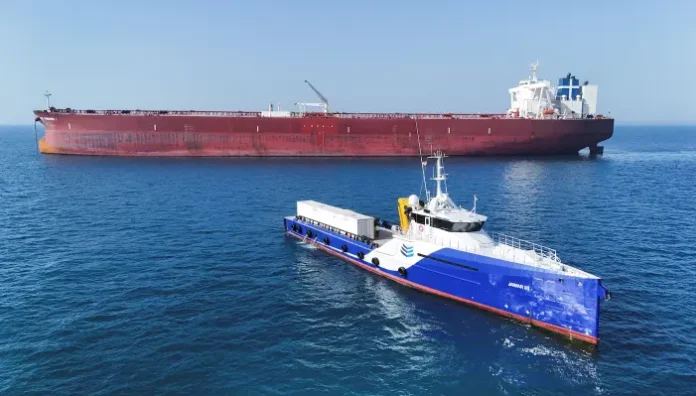

A Trump-Iran agreement to reopen the Strait of Hormuz could restore global energy flows, reduce oil price volatility, ease inflation concerns, and restart nuclear negotiations. The agreement’s long-term success will depend on compliance, regional stability, sanctions implementation, and continued diplomatic engagement between both countries.
KumDi.com
If the reported U.S.-Iran agreement is formally signed and implemented, the immediate effects will likely be the reopening of the Strait of Hormuz, a reduction in military tensions across the Middle East, lower oil prices, improved global energy security, and the start of a new round of negotiations focused on Iran’s nuclear program and sanctions relief. However, the long-term success of the agreement will depend on compliance, regional stability, and whether both sides can transform a temporary ceasefire into a durable diplomatic framework.
Recent reports indicate that the Trump administration and Iran have reached a framework agreement that includes reopening the Strait of Hormuz, extending a ceasefire, beginning nuclear negotiations, easing some sanctions, and releasing frozen Iranian assets. A formal signing ceremony is reportedly scheduled in Switzerland.
Table of Contents
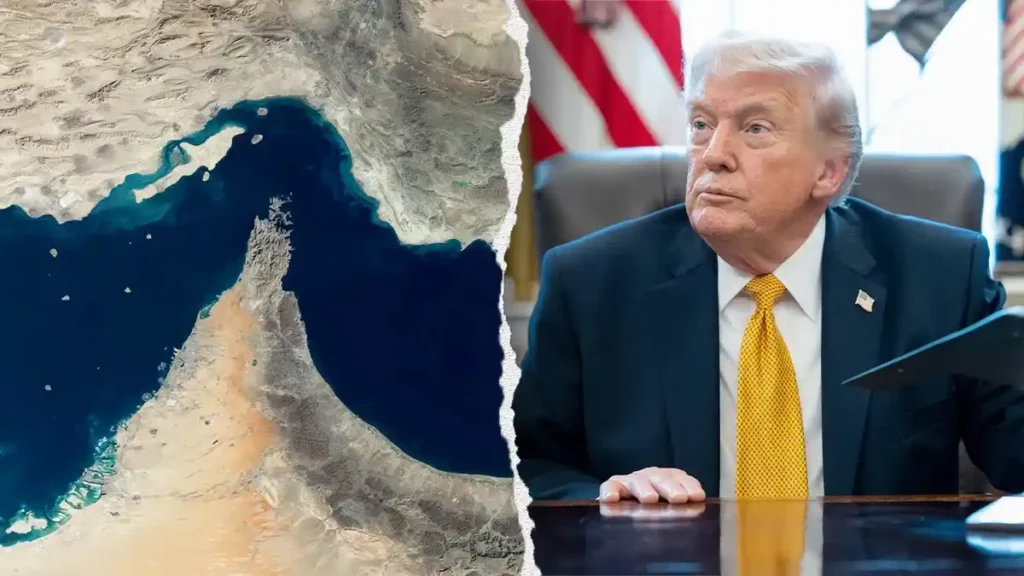
Why the Strait of Hormuz Matters
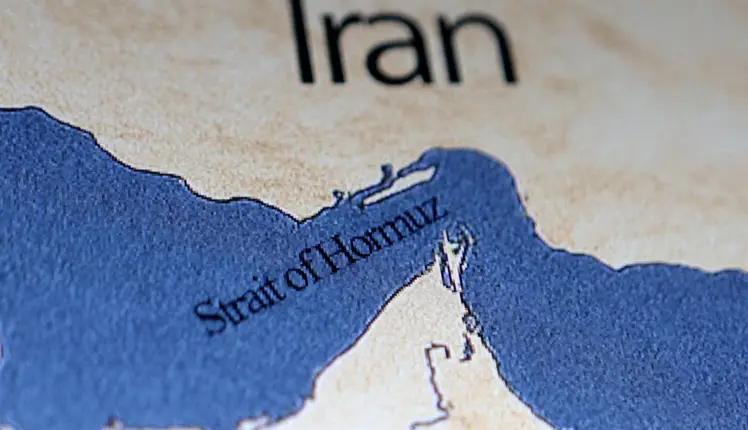
The Strait of Hormuz is one of the world’s most important energy chokepoints.
Key Facts
- Roughly 20% of global oil shipments pass through the strait.
- Major exporters include Saudi Arabia, the UAE, Kuwait, Iraq, and Iran.
- Significant volumes of liquefied natural gas (LNG) also transit the route.
- Any disruption can immediately affect global fuel prices and inflation.
During the 2026 crisis, military conflict and shipping disruptions created severe pressure on global energy markets, causing oil prices to rise sharply and increasing concerns about worldwide inflation.
What Is Included in the Reported Agreement?
Although details vary among reports, several core elements appear consistently.
1. Reopening the Strait of Hormuz
The agreement reportedly requires the immediate reopening of commercial shipping routes through the strait. The United States would also remove its naval blockade on Iranian ports.
2. Ceasefire Extension
The framework extends an existing ceasefire for approximately 60 days while negotiators work toward a more comprehensive settlement.
3. Nuclear Negotiations
Iran reportedly commits not to pursue nuclear weapons and to freeze certain nuclear activities during negotiations. Future talks would address uranium stockpiles, enrichment levels, inspections, and long-term nuclear restrictions.
4. Sanctions Relief
The United States is expected to suspend or waive selected sanctions, particularly those affecting Iranian oil exports, contingent upon compliance.
5. Release of Frozen Assets
Reports suggest that approximately $25 billion in Iranian assets could be released under the agreement.
What Happens Immediately After the Agreement?
Oil Prices May Continue Falling
Financial markets reacted positively to the announcement.
Early market responses included:
- Falling crude oil prices
- Lower gasoline price expectations
- Rising stock market futures
- Reduced fears of an energy shock recession
Shipping Traffic Will Gradually Resume
Reopening the strait does not instantly restore normal shipping.
Shipping companies must:
- Verify security conditions.
- Obtain insurance coverage.
- Reposition vessels.
- Coordinate with naval authorities.
Energy analysts note that restoring full shipping capacity may take days or weeks even after a formal reopening.
Reduced Inflation Pressure
Lower energy prices could ease inflationary pressures in:
- United States
- Europe
- Japan
- South Korea
- India
Since energy costs affect transportation, manufacturing, food distribution, and electricity generation, stable oil markets can have broad economic benefits.
What Happens Over the Next 60 Days?
The next two months may be the most critical phase.
Stage 1: Verification
Both sides must demonstrate compliance.
Potential verification measures include:
- Monitoring shipping traffic
- Confirming ceasefire adherence
- Reviewing sanctions implementation
- Assessing nuclear commitments
Stage 2: Technical Negotiations
Experts from both countries are expected to address:
| Issue | Key Question |
|---|---|
| Uranium stockpiles | How much material will be retained or diluted? |
| Enrichment limits | What percentage enrichment will be allowed? |
| Inspections | What role will international inspectors play? |
| Sanctions | Which restrictions will be removed first? |
| Security guarantees | How can future conflicts be prevented? |
These negotiations will likely determine whether the agreement becomes permanent.
Potential Winners of the Agreement
Global Consumers
Lower fuel prices can reduce household expenses and transportation costs.
Oil Importing Nations
Countries heavily dependent on imported energy could benefit from improved supply stability.
Examples include:
- Japan
- South Korea
- India
- Many European nations
Shipping Industry
Maritime operators gain from:
- Reduced insurance premiums
- Lower security risks
- Predictable shipping schedules
Financial Markets
Investors generally favor reduced geopolitical uncertainty, which supports business planning and investment.
Major Risks That Could Still Derail the Deal
Despite positive headlines, significant risks remain.
1. Disagreements Over Nuclear Terms
The most difficult negotiations have historically involved:
- Uranium enrichment levels
- Inspection rights
- Nuclear infrastructure
These issues remain unresolved.
2. Regional Military Escalation
Any major military incident involving regional actors could disrupt implementation.
Recent reports noted continuing concerns regarding strikes and tensions elsewhere in the region.
3. Domestic Political Opposition
Both Washington and Tehran face internal critics.
Opponents may argue that concessions offered by the other side are insufficient or risky.
4. Compliance Failures
Historically, U.S.-Iran agreements have often faced challenges related to verification, enforcement, and political changes.
Trust remains limited between the two governments.
Best-Case Scenario
In the most optimistic outcome:
- Strait of Hormuz remains fully open.
- Oil prices stabilize.
- Ceasefire becomes permanent.
- Nuclear negotiations succeed.
- Sanctions gradually ease.
- Regional tensions decline.
This could become the most significant U.S.-Iran diplomatic breakthrough in years.
Worst-Case Scenario
In the least favorable outcome:
- Ceasefire collapses.
- Shipping disruptions return.
- Oil prices surge again.
- Nuclear negotiations fail.
- New sanctions are imposed.
- Military confrontation resumes.
Such a scenario would likely reignite energy market volatility and increase global economic uncertainty.
What Investors, Businesses, and Consumers Should Watch
Key Indicators
Monitor these developments over the coming weeks:
✅ Formal signing of the agreement
✅ Actual reopening of commercial shipping lanes
✅ Oil price trends
✅ Nuclear negotiation progress
✅ Sanctions announcements
✅ Regional security incidents
These indicators will provide the clearest evidence of whether the agreement is evolving into a lasting settlement or merely a temporary pause in hostilities.
FAQs
Why is the Strait of Hormuz so important?
The Strait of Hormuz is one of the world’s most critical shipping routes, carrying roughly 20% of global oil and significant LNG exports. Any disruption can impact energy prices worldwide.
How could the agreement affect oil prices?
If the strait remains open and regional tensions ease, global oil supplies may stabilize, which could help lower or moderate oil and fuel prices.
Does the agreement include Iran’s nuclear program?
Yes. Reports indicate that nuclear negotiations are a key component of the agreement, including discussions on uranium enrichment, inspections, and sanctions relief.
What are the biggest risks to the agreement?
Major risks include disagreements over nuclear terms, regional security incidents, political opposition in both countries, and potential compliance disputes.
What should investors and businesses watch next?
Key developments include the formal signing of the agreement, reopening of commercial shipping lanes, progress in nuclear talks, sanctions decisions, and movements in global energy markets.
Conclusion
The reported Trump-Iran agreement to reopen the Strait of Hormuz represents a potentially significant geopolitical and economic development. If successfully implemented, it could restore one of the world’s most important energy corridors, lower oil prices, reduce inflationary pressures, and create a pathway toward broader diplomatic engagement. However, the agreement remains fragile. The next 60 days—during which both sides must honor ceasefire commitments, reopen shipping routes, and negotiate nuclear issues—will likely determine whether this becomes a historic breakthrough or another temporary pause in a long-running conflict. Current evidence suggests markets are already pricing in optimism, but long-term success will depend on verification, compliance, and sustained political commitment from all parties involved.




 and then