









Toy Story 5 is a heartfelt Pixar sequel that explores how traditional toys remain relevant in a technology-driven world. Featuring beloved characters like Woody and Buzz, the film combines emotional storytelling, humor, and modern themes, making it a worthwhile continuation of the iconic animated franchise.
KumDi.com
Toy Story 5 continues Pixar’s most iconic animated franchise with a story that explores the growing relationship between children and technology while reuniting audiences with Woody, Buzz Lightyear, Jessie, and the rest of the beloved toy gang. While the film faces the challenge of following what many considered a perfect conclusion in Toy Story 4, it succeeds in delivering heartfelt themes, strong character moments, and family-friendly entertainment that resonates across generations.
For longtime fans, Toy Story 5 offers a nostalgic return to familiar characters while introducing contemporary topics relevant to modern families. Although it may not surpass the emotional impact of Toy Story 3 or the character-driven farewell of Toy Story 4, it remains a worthy addition to Pixar’s flagship franchise.
Table of Contents

What Is Toy Story 5 About?
Toy Story 5 revisits the world of living toys in a rapidly changing technological era. The film explores how traditional toys compete for children’s attention in a world increasingly dominated by tablets, smartphones, gaming devices, and digital entertainment.
Rather than simply repeating previous adventures, the story focuses on an evolving challenge: what happens when toys are no longer the primary source of imagination for children?
This central premise gives Pixar an opportunity to examine themes that are highly relevant in 2026, including:
- Screen time and childhood development
- Technology versus imaginative play
- Friendship and adaptation
- Identity and purpose
- Generational changes in entertainment
The result is a story that feels both contemporary and emotionally grounded.
Why Toy Story Continues to Matter
Few animated franchises have maintained cultural relevance for three decades.
Since the release of the original Toy Story in 1995, the series has become one of the most influential achievements in animation history. Each installment reflected a different stage of childhood and adulthood:
| Film | Primary Theme |
|---|---|
| Toy Story (1995) | Friendship and jealousy |
| Toy Story 2 (1999) | Purpose and belonging |
| Toy Story 3 (2010) | Growing up and letting go |
| Toy Story 4 (2019) | Self-discovery and independence |
| Toy Story 5 (2026) | Adaptation in the digital age |
This thematic evolution helps explain why the franchise continues to connect with audiences. The films are never simply about toys—they are about life transitions that viewers experience alongside the characters.
Animation Quality and Visual Presentation
One area where Pixar consistently excels is animation technology.
Toy Story 5 showcases some of the studio’s most advanced rendering techniques to date. Character textures, environmental lighting, and facial expressions demonstrate how far computer animation has progressed since the groundbreaking original film.
Particularly impressive elements include:
Enhanced Character Animation
Subtle emotional expressions allow characters to communicate complex feelings without dialogue.
Realistic Lighting
Indoor and outdoor scenes benefit from cinematic lighting techniques that create warmth and realism.
Detailed Environmental Design
Bedrooms, schools, living rooms, and digital devices are rendered with extraordinary detail, helping audiences feel immersed in the story world.
Action Sequences
Several large-scale set pieces combine humor, suspense, and technical sophistication, delivering memorable family entertainment.
Suggested Visual Aid:
Timeline Graphic
“Evolution of Pixar Animation Technology: 1995–2026”
Storytelling and Screenplay Analysis
The strongest aspect of Toy Story 5 is its thematic relevance.
Rather than relying solely on nostalgia, the screenplay tackles questions many parents face today:
- Are children losing imaginative play?
- Can traditional toys remain meaningful?
- How does technology change childhood experiences?
The film avoids simplistic answers.
Instead, it presents a balanced perspective that acknowledges the benefits of technology while celebrating creativity, imagination, and human connection.
This nuanced approach elevates the movie beyond standard family entertainment.
Strengths of the Story
Emotional Accessibility
Children enjoy the adventure while adults recognize deeper themes.
Character-Based Conflict
The drama emerges naturally from character motivations rather than forced plot devices.
Universal Themes
Questions about change, relevance, and adaptation apply to viewers of all ages.
Woody and Buzz: Do They Still Shine?
A major question surrounding Toy Story 5 was whether Woody and Buzz Lightyear could remain compelling after decades of storytelling.
The answer is largely yes.
Woody continues to represent empathy, leadership, and emotional intelligence. His perspective reflects the franchise’s ongoing exploration of purpose and belonging.
Buzz remains a symbol of optimism and courage while providing humor and heart throughout the story.
Their dynamic has matured significantly since the original film. Rather than repeating old conflicts, their relationship reflects years of friendship and shared experiences.
This evolution helps prevent the film from feeling repetitive.
Supporting Characters and New Additions
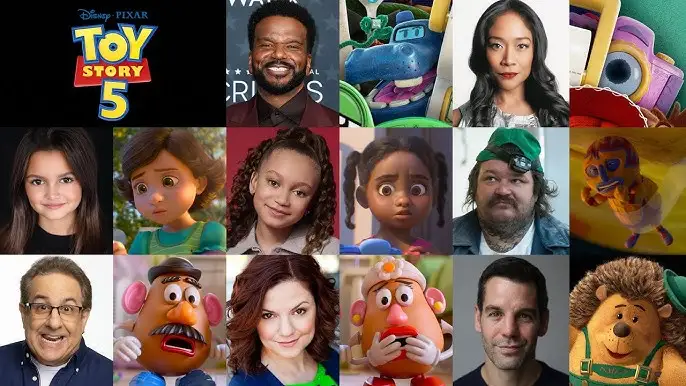
Pixar introduces several new characters that help explore the film’s technology-focused themes.
The best additions serve meaningful narrative purposes rather than functioning solely as comic relief.
Meanwhile, fan favorites such as Jessie, Rex, Hamm, and Slinky Dog continue to provide moments of humor and emotional support.
One of Pixar’s strengths has always been making even secondary characters feel memorable, and Toy Story 5 largely maintains that tradition.
Themes and Messages
Technology Versus Imagination
The film’s most important theme examines how digital entertainment influences childhood.
Rather than portraying technology as inherently negative, Toy Story 5 suggests that imagination remains essential regardless of changing tools and platforms.
This balanced message feels particularly relevant for modern families.
Adapting to Change
Like previous entries, the story emphasizes adaptation.
The toys face a changing world, much like people encounter changes in careers, relationships, and life stages.
The film argues that relevance comes not from resisting change but from finding new ways to contribute and connect.
Friendship Across Generations
Another recurring theme involves enduring friendships.
The bonds between the toys continue to provide emotional grounding and remind viewers why these characters have remained beloved for decades.
Humor and Family Appeal
Pixar has always balanced emotional storytelling with comedy.
Toy Story 5 delivers humor suitable for multiple age groups:
For Children
- Physical comedy
- Fast-paced action
- Funny misunderstandings
- Colorful visual gags
For Adults
- Clever dialogue
- Nostalgic references
- Cultural observations
- Emotional callbacks
This multi-layered humor remains one of Pixar’s greatest strengths.
How Toy Story 5 Compares to Previous Films
Compared to Toy Story 3
Toy Story 3 remains the emotional high point for many fans due to its powerful themes of growing up and farewell.
Toy Story 5 does not reach the same emotional intensity but offers more contemporary relevance.
Compared to Toy Story 4
Toy Story 4 focused heavily on Woody’s personal journey.
Toy Story 5 broadens its focus to address larger societal and cultural changes.
Compared to the Original Toy Story
The original film revolutionized animation.
While Toy Story 5 cannot replicate that groundbreaking achievement, it demonstrates how a franchise can evolve while maintaining its core identity.
Strengths and Weaknesses
What Works Well
✓ Relevant modern themes
✓ Strong animation quality
✓ Emotional storytelling
✓ Memorable character interactions
✓ Family-friendly appeal
✓ Thoughtful exploration of technology and childhood
Potential Drawbacks
✗ Difficult to match the emotional impact of earlier classics
✗ Some viewers may feel the franchise already concluded effectively
✗ Certain nostalgic moments may feel designed primarily for longtime fans
✗ New characters may not achieve the same iconic status as original favorites
Is Toy Story 5 Worth Watching?
Yes.
For families, Pixar fans, and audiences who grew up with the franchise, Toy Story 5 provides meaningful entertainment and thoughtful storytelling.
The film succeeds because it does not simply recycle old ideas. Instead, it asks a new question relevant to today’s world:
What role do imagination and traditional play have in a technology-driven childhood?
That question gives the movie emotional and cultural significance beyond its status as a sequel.
FAQs

Is Toy Story 5 worth watching?
Yes. Toy Story 5 is worth watching for both longtime Pixar fans and families. The film expands on the franchise’s core themes of friendship and purpose while introducing modern topics related to technology and childhood imagination.
What is Toy Story 5 about?
Toy Story 5 follows Woody, Buzz, and their friends as they face new challenges in a world where children increasingly spend time with digital devices. The story explores the balance between technology and imaginative play while delivering classic Pixar emotion and humor.
How does Toy Story 5 compare to Toy Story 4?
Toy Story 5 takes a broader approach than Toy Story 4. While Toy Story 4 focused on Woody’s personal journey, Toy Story 5 examines how toys remain relevant in changing times. Both films offer strong emotional storytelling, but with different thematic focuses.
Does Toy Story 5 feature Woody and Buzz Lightyear?
Yes. Woody and Buzz Lightyear return as central characters in Toy Story 5. Their friendship continues to evolve, providing emotional depth while maintaining the charm that made the franchise beloved worldwide.
What themes are explored in Toy Story 5?
Toy Story 5 explores friendship, adaptation, technology versus imagination, childhood development, and finding purpose during times of change. These themes make the film appealing to both younger audiences and adults who grew up with the series.
Final Verdict
Toy Story 5 demonstrates why Pixar remains one of the most respected names in animation. By combining cutting-edge visuals with emotionally intelligent storytelling, the film delivers an engaging experience for both children and adults.
While it may not surpass the franchise’s most celebrated entries, it successfully expands the series’ themes for a new generation. Its examination of technology, imagination, friendship, and adaptation feels timely and relevant in 2026.
For audiences seeking a heartfelt animated adventure with genuine emotional depth, Toy Story 5 remains a rewarding return to one of cinema’s most beloved worlds.
Overall Rating: 8.5/10
Pros: Emotional storytelling, strong animation, relevant themes, beloved characters, family appeal.
Cons: Faces inevitable comparison to earlier masterpieces and occasionally leans on nostalgia.
Bottom Line: A thoughtful, entertaining, and emotionally resonant continuation of Pixar’s legendary franchise that proves there are still meaningful stories to tell in the world of Toy Story.




 and then