








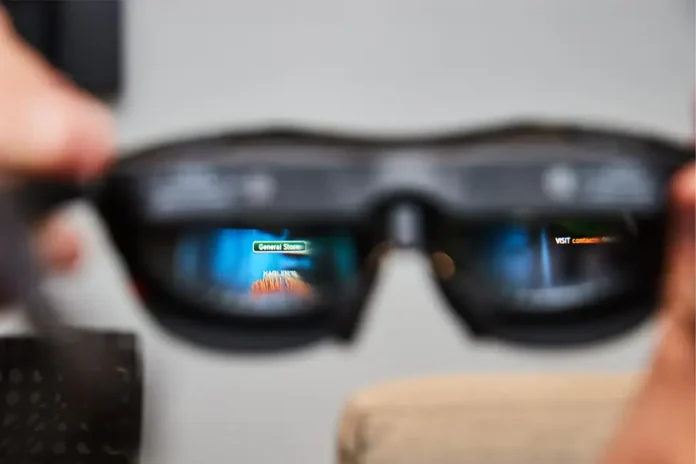
Smart glasses capable of recording video may be nearby in 2026 because modern wearable camera technology allows discreet hands-free filming in public and professional environments. These devices use mini cameras, wireless connectivity, and cloud storage, raising important privacy and legal considerations for individuals and businesses.
KumDi.com
Yes, smart glasses that can record video may be nearby in public spaces, workplaces, schools, healthcare settings, or transportation hubs. As of 2026, multiple commercially available wearable devices integrate discreet high-definition cameras, microphones, wireless connectivity, and cloud synchronization. While these devices serve legitimate purposes—such as communication, accessibility, professional documentation, and augmented reality—they also raise valid concerns about privacy, consent, and data security.
Understanding how video-recording smart glasses work, where they are commonly used, and what legal and safety frameworks govern them is essential for individuals, businesses, educators, and healthcare professionals. This guide provides a technically accurate, evidence-based overview aligned with current regulations and industry standards.
Table of Contents
What Are Smart Glasses Capable of Recording Video?
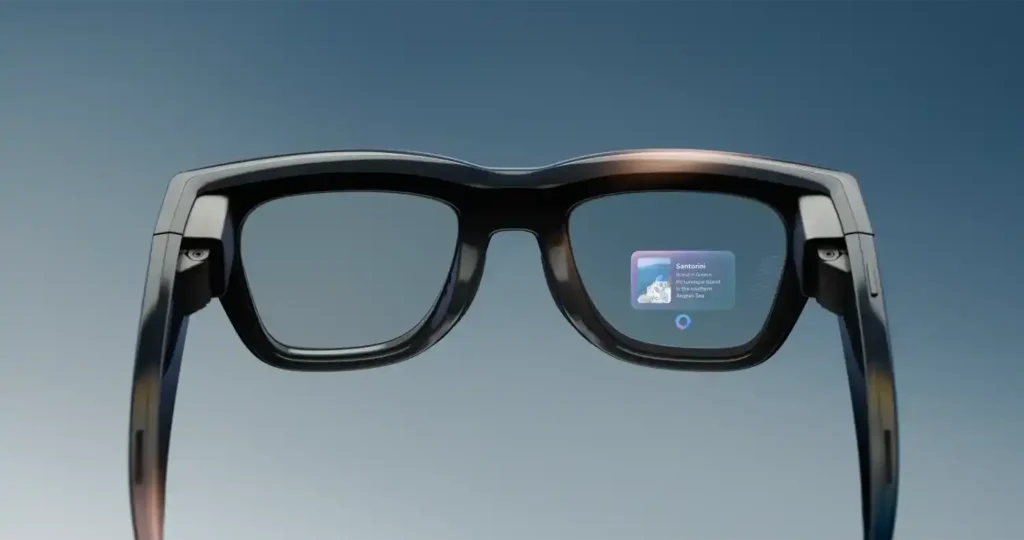
Smart glasses are wearable computing devices embedded into eyeglass frames that integrate:
- Miniaturized digital cameras
- Microphones
- Speakers or bone-conduction audio systems
- Wireless connectivity (Wi-Fi, Bluetooth, LTE/5G)
- Onboard processing or cloud-based AI support
Some models prominently include:
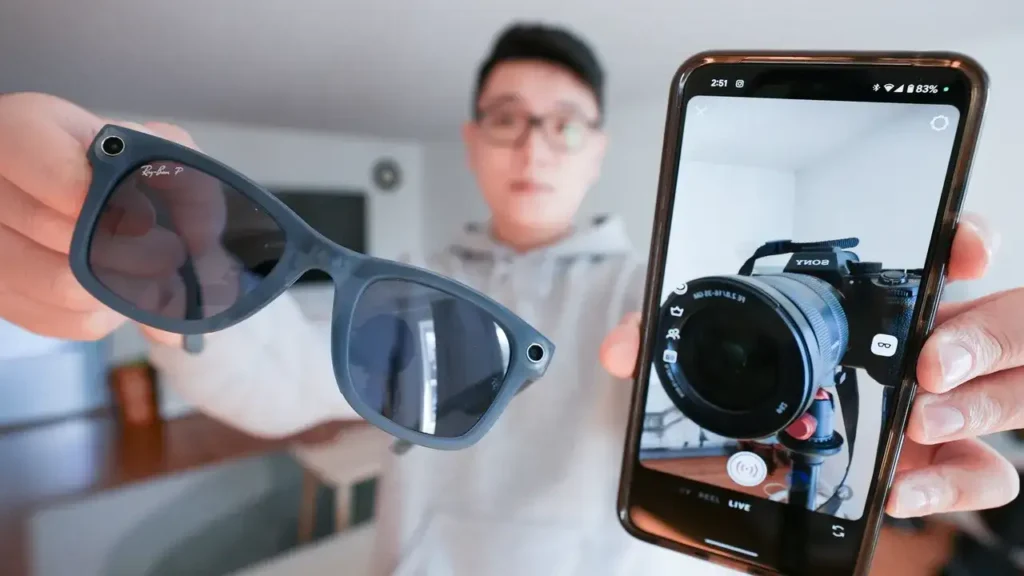
These devices can capture photos and video hands-free, often activated by voice command, touch controls, or subtle gestures.
How Do Video-Recording Smart Glasses Work?
From a technical perspective, modern smart glasses use:
1. Miniature CMOS Cameras
Ultra-compact image sensors (typically 5–12 MP) capture HD or 4K video. These sensors are comparable to smartphone front-facing cameras but optimized for low power consumption.
2. Edge Processing + Cloud AI
Some models process basic video encoding on-device. More advanced models sync data to cloud systems where AI can:
- Transcribe speech
- Perform facial recognition (where legally permitted)
- Translate languages
- Provide augmented reality overlays
3. Always-Connected Architecture
Devices connect to companion smartphone apps, allowing:
- Automatic upload
- Real-time livestreaming
- Remote access
- Secure storage
This connectivity increases both functionality and cybersecurity considerations.
Where Are Recording Smart Glasses Commonly Used?
Video-capable smart glasses are increasingly present in:
Healthcare
Surgeons and procedural specialists use wearable recording for:
- Surgical documentation
- Telemedicine consultations
- Medical education
Studies in surgical training environments show improved observational learning when procedures are recorded from a first-person perspective.
Industrial & Field Work
Enterprise environments use them for:
- Remote expert guidance
- Equipment inspection
- Quality assurance
- OSHA compliance documentation
Law Enforcement & Security
Some agencies test wearable optics as alternatives or supplements to body cameras.
Content Creation & Social Media
Influencers and journalists use smart glasses for immersive first-person storytelling.
Accessibility & Assistive Technology
Emerging AI-powered models provide:
- Object recognition
- Text-to-speech
- Navigation assistance for visually impaired users
Can Smart Glasses Record Without People Noticing?
This is one of the most searched concerns.
Most major manufacturers now include visible LED recording indicators to comply with privacy expectations. However:
- Indicator lights may be small
- Recording may not be obvious at a distance
- Audio recording is harder to detect
Regulations vary by jurisdiction. In many countries, recording in public spaces is legal, but recording in private spaces without consent may violate privacy laws.
Legal and Privacy Considerations (2026 Overview)
1. Public vs. Private Spaces
In general:
- Public areas: Recording is often legally permissible
- Private property: Consent rules may apply
- Bathrooms, locker rooms, medical exam rooms: Strict prohibitions
2. Data Protection Laws
Major frameworks influencing wearable recording include:
- GDPR (European Union)
- CCPA/CPRA (California)
- PIPA (South Korea)
These laws regulate biometric data, facial recognition, and personal data processing.
3. Workplace Policies
Employers may restrict smart glasses use due to:
- Confidential information exposure
- Trade secret protection
- Occupational safety concerns
Cybersecurity Risks Associated With Recording Smart Glasses
From a technical risk perspective, smart glasses may introduce:
Data Breach Risks
If cloud synchronization is compromised, recorded footage may be exposed.
Unauthorized Remote Access
Devices connected to insecure Wi-Fi networks can be vulnerable if not properly encrypted.
Facial Recognition Abuse
In regions without strong regulation, real-time biometric identification can create civil liberties concerns.
Mitigation strategies include:
- End-to-end encryption
- Two-factor authentication
- Secure firmware updates
- Enterprise Mobile Device Management (MDM)
Health and Safety Considerations
As a medical writer, it is important to address physiologic concerns based on evidence.
Eye Strain and Visual Fatigue
Prolonged augmented reality display use may contribute to:
- Digital eye strain
- Headaches
- Accommodation fatigue
Best practices:
- Follow 20-20-20 rule (every 20 minutes, look 20 feet away for 20 seconds)
- Adjust brightness
- Limit prolonged continuous use
Cognitive Load
Overlaying digital information in real-world environments can increase cognitive demand, particularly in high-risk environments like driving or operating machinery.
Many jurisdictions prohibit wearing active AR smart glasses while driving.
Ethical Considerations
Smart glasses capable of recording video create ethical dilemmas in:
- Medical consent
- Educational environments
- Child protection
- Workplace monitoring
Ethical best practices include:
- Clear disclosure of recording
- Written consent in professional settings
- Data minimization principles
- Defined retention policies
Real-World Professional Use Case
In a tertiary surgical center, wearable recording glasses were used during minimally invasive procedures for remote mentoring. The benefits observed included:
- Reduced travel for expert consultants
- Improved training efficiency
- Immediate troubleshooting
However, strict policies were enforced:
- Patient consent forms updated
- No automatic cloud storage
- Secure hospital server archiving
This illustrates the balance between innovation and governance.
How to Tell If Smart Glasses Are Recording
While not always obvious, possible indicators include:
- Small LED light near lens
- Audible start/stop tone
- Subtle hand gesture activation
- Verbal command such as “record video”
However, absence of visible indicators does not guarantee recording is not occurring.
What Should You Do If You Suspect Unauthorized Recording?
- Remain calm and avoid confrontation.
- Verify local laws regarding recording.
- Politely ask if recording is taking place.
- If in a private venue, notify management.
- In sensitive environments (medical, educational, childcare), escalate to appropriate authority.
Future Outlook: 2026 and Beyond
Emerging trends include:
- AI-powered contextual recording
- Real-time object labeling
- Translation overlays
- Integration with large language models
- Improved battery life and miniaturization
As hardware becomes more discreet, privacy governance will likely tighten.
Key Takeaways
- Smart glasses capable of recording video are increasingly common in 2026.
- They are used in healthcare, industry, education, and content creation.
- Legal frameworks regulate where and how recording can occur.
- Cybersecurity and privacy risks require responsible use.
- Ethical governance is essential as wearable AI becomes more discreet.
Conclusion
Smart glasses capable of recording video may indeed be nearby, and their presence is expected to increase as wearable computing matures. While these devices offer substantial professional and accessibility benefits, they also introduce legitimate privacy, legal, and cybersecurity challenges.
Responsible adoption requires technical safeguards, regulatory compliance, ethical transparency, and public awareness. Understanding both the benefits and the risks allows individuals and organizations to navigate this evolving landscape with confidence and informed judgment.
As wearable AI becomes more integrated into everyday life, awareness—not alarm—is the most appropriate response.
FAQs
Are smart glasses capable of recording video legal in public places?
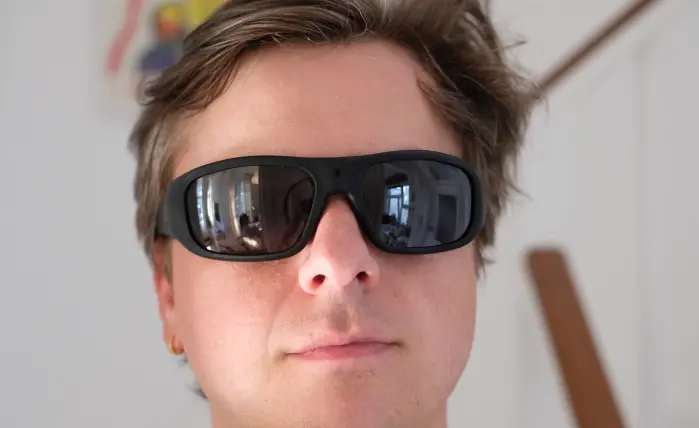
Yes, smart glasses capable of recording video are generally legal in public areas where there is no reasonable expectation of privacy. However, privacy risks of smart glasses increase in private spaces, where consent laws and data protection regulations may apply depending on jurisdiction.
How can I tell if video recording smart glasses are filming me?
Most video recording smart glasses include LED indicators or audible signals when actively recording. However, wearable camera technology can be discreet, so it may not always be obvious. Local regulations often require visible notification features.
Do smart glasses capable of recording video store footage in the cloud?
Many smart glasses capable of recording video automatically sync data to cloud-based apps. This wearable camera technology enables instant sharing but may increase privacy risks of smart glasses if security settings are not properly configured.
What are the main privacy risks of smart glasses in 2026?
The primary privacy risks of smart glasses include unauthorized recording, facial recognition misuse, data breaches, and cloud storage vulnerabilities. As wearable camera technology becomes more advanced, regulatory oversight continues to evolve globally.
Where are smart glasses capable of recording video most commonly used?
Smart glasses capable of recording video are widely used in healthcare, manufacturing, remote technical support, journalism, and social media content creation. Video recording smart glasses improve efficiency but require clear consent policies in professional environments.




 and then