








The Denmark Social Media Ban for Under 15 restricts access to major platforms for children under 15 to protect their mental health and safety. With parental consent possible for ages 13–14, this landmark policy could redefine global standards for youth protection and digital responsibility.
KumDi.com
The Denmark Social Media Ban for Under 15 represents a groundbreaking shift in youth protection policy. Designed to safeguard children’s mental health and limit exposure to harmful content, Denmark’s move challenges tech giants and may inspire similar regulations across Europe and beyond.
The Danish government has announced a major policy change: children under the age of 15 will no longer have access to certain social media platforms. This landmark move underscores growing concern over the impact of digital platforms on youth well-being, and signals a new front in regulation of Big Tech.
Table of Contents
What the Policy Says
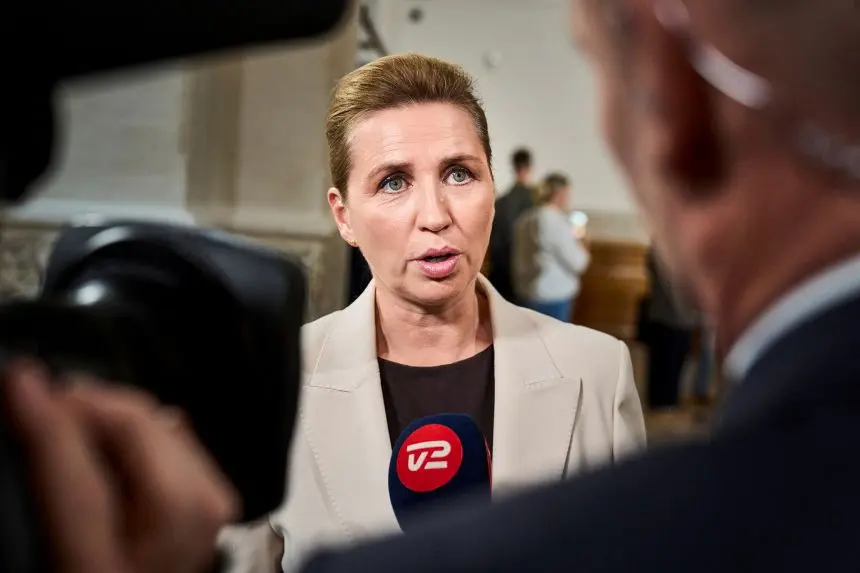
- A political agreement was reached on 7 November 2025 in Denmark to ban access to certain social media platforms for users under the age of 15.
- However, there is an exception: parents may give consent for their child to access social media from age 13, subject to “specific assessment”.
- The government did not specify exactly which platforms will be affected, nor a full enforcement timeline.
- Government commentary emphasises the motion as “a necessary stand” to protect children from harmful content and the business practices of large tech companies.
Why Denmark Is Taking Action
Rising Concerns Around Youth and Digital Use
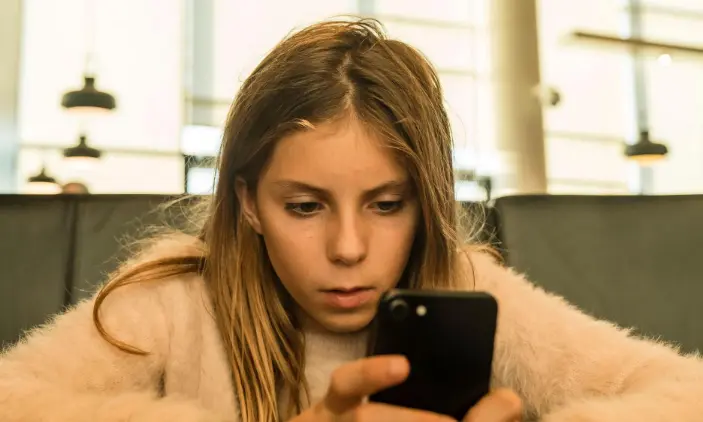
- The Danish authorities report that children spend on average 2 hours 40 minutes per day on social media.
- The government links heavy social-media use with increased risks of anxiety, depression, disrupted sleep, loss of concentration, and exposure to harmful content.
- A ministerial statement declared: “The so-called social media thrive on stealing our children’s time, childhood and well-being.”
A Political and Regulatory Trend
- Denmark joins other countries in seeking stricter age-limits and protections around youth use of online platforms.
- For example, Australia has already passed legislation to prohibit under-16s from social media access.
Global Comparisons
Australia
- The Australian government approved legislation to ban social media access for children under the age of 16.
- The law is considered one of the world’s toughest regulations targeting major social platforms.
- Platforms would face heavy fines if they fail to prevent access by under-16s.
- Age-verification systems are being trialled to enforce the policy.
European Union / Other European Countries
- Some EU countries are exploring raising the minimum age for social media access from 13 to 15.
- For example, France recently introduced rules requiring children under 15 to obtain parental consent before accessing many online services.
- Norway has announced its intention to raise its age minimum from 13 to 15 for social media use.
- The EU is discussing harmonised rules at bloc-level regarding a “digital majority” age for children’s online rights and responsibilities.
Asia-Pacific and Other Regions
- In the Asia-Pacific region, countries are taking varied approaches. For example, India requires verifiable parental consent for data processing for children under 18, rather than a full ban.
- Some jurisdictions impose restrictions or bans on mobile-phone or social-media access in schools rather than blanket bans by age.
Potential Benefits
- Protecting mental health: By reducing exposure to addictive algorithms, harmful content, social comparison, and sleep disruption, the policy aims to safeguard young children’s emotional and cognitive development.
- Resetting norms around childhood: The government frames the initiative as reclaiming children’s time and space from commercial digital environments.
- Precedent for regulation: If successfully implemented, this could serve as a model for other countries reviewing youth access and age-verification measures.
Key Challenges & Criticisms
- Enforcement: How to verify age and monitor access in an environment where children can easily create accounts or use devices outside parental control; enforcement mechanisms remain vague.
- Parental vs. state role: Some critics argue that reinforcing parental education and controls may be more effective than outright bans.
- Potential unintended effects: Children may move to less-regulated platforms, private chats, or other digital spaces not covered by the ban — thus circumventing the intended protection.
- Impact on voice and inclusion: For some young people (especially in remote or marginalized contexts), social media offers connection, creative outlets and peer support; restricting access might reduce those benefits. Indeed, critics of Australia’s approach raised similar concerns.
What It Means for Tech Platforms
- Platforms will likely face increased regulatory pressure in Denmark (and possibly the EU) to implement robust age verification, account deletion for under-age users, and stronger protections around young users.
- Failure to comply could lead to fines, reputational damage and stricter oversight — as seen in Australia’s model.
- Tech firms will need to evaluate how they segment users, verify age, and design youth-friendly experiences or exclusions.
Implications for Parents and Schools
- Parents will need to engage proactively: monitor children’s device use, discuss healthy digital habits, and participate in deciding when and how children access social media.
- Schools and educators may need to re-examine screen-time policies, digital-citizenship curricula, and the role of social media in student life.
- Children aged 13-14 (who may gain access with consent) will require clear guidelines and oversight to use social media responsibly and safely.
What to Watch Next
- Legislative detail and implementation schedule: Official details on which platforms, how age-checks will function, and when the ban will formally take effect.
- Compliance strategies by platforms: How major social media companies react in terms of age-verification tools, data collection updates, and policy enforcement.
- Effects on children’s well-being: Over time, data will be needed to assess whether such bans lead to measurable improvements in youth mental health, attention spans or digital behaviour.
- Global spill-over: Whether other EU countries or global jurisdictions follow Denmark’s lead, and whether international standards for youth social-media rights evolve.
Conclusion
Denmark’s decision to ban access to social media for children under 15 marks a bold regulatory shift — one that raises important questions about childhood in the digital age, the responsibilities of technology companies, and the balance between protection and autonomy. While it holds promise for improving youth well-being, its success will depend on practical implementation, cooperative parenting, and thoughtful oversight.
As other nations watch closely, the coming months and years will tell whether this is the beginning of a new era in digital youth policy — or a good intention confronted by enforcement realities.
FAQs
What is the Denmark Social Media Ban for Under 15?
The Denmark Social Media Ban for Under 15 restricts access to social networks for children below 15, aiming to protect youth mental health and online safety.
Why did Denmark implement the Social Media Ban for Under 15?
The Denmark Social Media Ban for Under 15 addresses rising concerns about online addiction, bullying, and the negative mental effects of digital exposure on kids.
When will the Denmark Social Media Ban for Under 15 take effect?
The Denmark Social Media Ban for Under 15 is set to roll out after legislative approval and platform compliance, expected within the coming year.
Can parents allow children under 15 to access social media in Denmark?
Yes, the Denmark Social Media Ban for Under 15 allows limited access for ages 13–14 with verified parental consent and government assessment.
How does the Denmark Social Media Ban for Under 15 compare internationally?
Similar to laws in Australia and France, the Denmark Social Media Ban for Under 15 marks a global shift toward child digital regulation and online responsibility.


 and then