








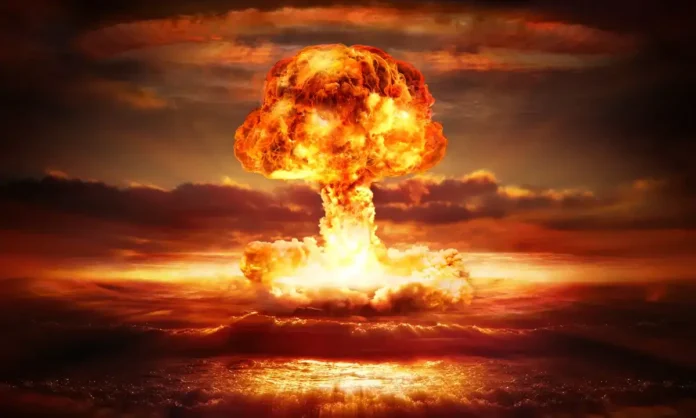
The term Simultaneous Wars 2026 refers to multiple regional conflicts occurring at the same time across different parts of the world. Experts point to wars such as the Russian invasion of Ukraine, tensions between China and Taiwan, and instability involving Iran as examples shaping global security.
KumDi.com
Yes—many geopolitical analysts believe the world may be entering a period where multiple regional conflicts occur simultaneously and influence each other, creating a more complex global security environment than the relatively stable decades after the Cold War. Ongoing conflicts such as the Russian invasion of Ukraine, rising military tension between China and Taiwan, and escalating confrontation involving Iran in the Middle East have led many experts to question whether the international system is entering a new era of overlapping geopolitical conflicts.
However, this does not necessarily mean a global world war. Instead, it suggests a shift toward multi-theater strategic competition, where conflicts occur in parallel regions and influence global economics, security alliances, and technological development.
This article explains the causes, mechanisms, risks, and potential outcomes of simultaneous wars in 2026 based on geopolitical research, defense studies, and historical comparisons.
Table of Contents
Understanding the Concept of “Simultaneous Wars”
Simultaneous wars refer to situations where multiple armed conflicts occur at the same time across different regions, often involving major powers directly or indirectly.
These conflicts may be:
- Direct wars between states
- Proxy conflicts supported by larger powers
- Regional crises with global economic implications
Historically, the world has experienced such periods before.
Historical Examples
- Early stages of World War II, when conflicts erupted across Europe, Asia, and Africa.
- Cold War proxy conflicts in Southeast Asia, Africa, and Latin America.
Unlike those periods, the current environment involves nuclear-armed states and highly interconnected global economies, making the implications more complex.
Major Conflict Zones Shaping Global Security in 2026
1. Eastern Europe: The War Between Russia and Ukraine
The most significant ongoing conflict remains the war triggered by the Russian invasion of Ukraine.
Why It Matters Globally
The conflict affects:
- European security architecture
- NATO military strategy
- Global grain supply
- Energy markets
For example, Ukraine has historically been one of the world’s major grain exporters. Disruptions to shipping routes through the Black Sea have influenced food prices across Africa and the Middle East.
Military Innovations
The conflict has also accelerated the use of:
- Autonomous drones
- Satellite-guided artillery
- Electronic warfare
These technologies are reshaping modern warfare.
2. East Asia: Rising Tension Over Taiwan
Another critical geopolitical flashpoint involves increasing tension between China and Taiwan.
Strategic Importance of Taiwan
Taiwan plays a crucial role in the global economy because it produces a large share of advanced semiconductors used in:
- Smartphones
- Artificial intelligence hardware
- Military electronics
A military crisis in the Taiwan Strait could disrupt global technology supply chains.
Regional Security Dynamics
Countries closely monitoring the situation include:
- United States
- Japan
- South Korea
These states maintain security alliances that could influence regional responses.
3. Middle East Instability
The Middle East remains another region where conflicts can escalate rapidly.
Tensions involving Iran, regional powers, and Western allies have raised concerns about broader confrontation.
Why the Region Matters
The Middle East is critical for:
- Global oil supply
- Maritime trade routes
- Strategic shipping chokepoints
One example is the Strait of Hormuz, through which roughly 20% of global petroleum trade passes.
A conflict affecting this route could significantly impact global energy prices.
Structural Causes Behind Simultaneous Conflicts
Experts in international relations identify several systemic drivers.
1. Transition in Global Power Balance
The world is shifting from a unipolar system dominated by the United States toward a more complex multipolar structure.
Major powers include:
- United States
- China
- Russia
When power balances change, competition between states often increases.
2. Economic Interdependence and Vulnerabilities
Modern economies are highly interconnected.
Global supply chains depend on:
- Shipping lanes
- Semiconductor manufacturing
- Energy transportation
Conflicts in one region can create ripple effects across international markets.
Example:
- Grain exports from Ukraine affecting food prices
- Semiconductor production in Taiwan impacting global electronics manufacturing
3. Technological Transformation of Warfare
Military technology is evolving rapidly.
Emerging technologies include:
- Autonomous drones
- AI-assisted targeting
- Cyber warfare
- Hypersonic weapons
These technologies lower operational barriers and may increase the likelihood of limited conflicts.
Why Simultaneous Wars Do Not Automatically Mean World War
Despite multiple conflicts, most experts emphasize important differences from global wars of the 20th century.
Nuclear Deterrence
Countries such as the United States, Russia, and China possess nuclear weapons.
The doctrine of mutually assured destruction (MAD) discourages direct large-scale war between nuclear powers.
Economic Mutual Dependence
Countries are also deeply connected through trade and investment.
A large-scale war would cause massive economic damage to all participants.
This economic interdependence acts as a stabilizing constraint.
Global Risks of Multiple Conflicts

Even without a world war, simultaneous conflicts can produce major risks.
1. Energy Price Volatility
Disruptions in oil-producing regions can trigger rapid price spikes.
Energy shocks historically lead to:
- Inflation
- Economic slowdowns
- Political instability
2. Food Security Challenges
Wars in agricultural regions can disrupt food supply chains.
Countries heavily dependent on imports may experience:
- Rising food costs
- Supply shortages
- Social unrest
3. Defense Spending Growth
Many governments are increasing military budgets in response to rising threats.
For example, NATO countries have raised defense spending targets following the war in Ukraine.
Potential Future Scenarios
Experts typically outline three possible geopolitical trajectories.
Scenario 1: Managed Competition
Countries compete strategically but avoid direct wars.
Characteristics:
- Economic rivalry
- Limited regional conflicts
- Diplomatic containment
Scenario 2: Regional Escalation
Multiple conflicts intensify but remain geographically separate.
Possible outcomes:
- Expanded proxy wars
- Greater military alliances
- Increased arms development
Scenario 3: Major Power Confrontation
The most serious but less likely scenario involves direct conflict between major powers.
This scenario would represent the largest disruption to global security since World War II.
Practical Indicators to Watch
Researchers monitoring geopolitical stability often track:
- Military deployments
- Defense spending trends
- Alliance expansion
- Energy supply disruptions
- Cyber conflict activity
These indicators can signal rising or declining conflict risks.
Conclusion
The global security environment in 2026 shows signs of increasing geopolitical tension across several regions simultaneously. The ongoing war following the Russian invasion of Ukraine, growing tensions around Taiwan, and instability involving Iran illustrate how multiple conflicts can occur at the same time and influence global systems.
However, simultaneous wars do not necessarily signal an imminent global conflict. Nuclear deterrence, economic interdependence, and diplomatic institutions continue to constrain escalation between major powers.
Understanding these dynamics helps policymakers, businesses, and the public interpret global developments more accurately. As the international order continues to evolve, monitoring geopolitical trends and maintaining strong diplomatic frameworks will remain essential for reducing the risk of wider conflicts.
FAQs
What does “Simultaneous Wars 2026” mean?
Simultaneous Wars 2026 refers to multiple armed conflicts occurring at the same time in different regions. Examples include the war following the Russian invasion of Ukraine, rising geopolitical tensions between China and Taiwan, and Middle East instability affecting global security.
Why are global conflicts increasing in 2026?
Many analysts link rising global conflicts 2026 to shifts in global power balance, growing geopolitical tensions between major powers, and technological changes in warfare such as drones, cyber operations, and AI-assisted military systems.
Could simultaneous wars lead to a world war?
While simultaneous wars in 2026 increase global risk, most experts believe nuclear deterrence and economic interdependence reduce the likelihood of a full world war. Instead, the world may experience prolonged multi-theater geopolitical competition.
Which regions are most important in the 2026 global conflict landscape?
Key regions shaping global conflicts 2026 include Eastern Europe (Russia–Ukraine war), East Asia (China–Taiwan tensions), and the Middle East where instability involving Iran affects global energy markets and shipping routes.
How do simultaneous wars affect the global economy?
Simultaneous wars 2026 can disrupt energy supply, food exports, and international trade routes. These geopolitical tensions may lead to higher oil prices, supply chain disruptions, and increased defense spending worldwide.




 and then