








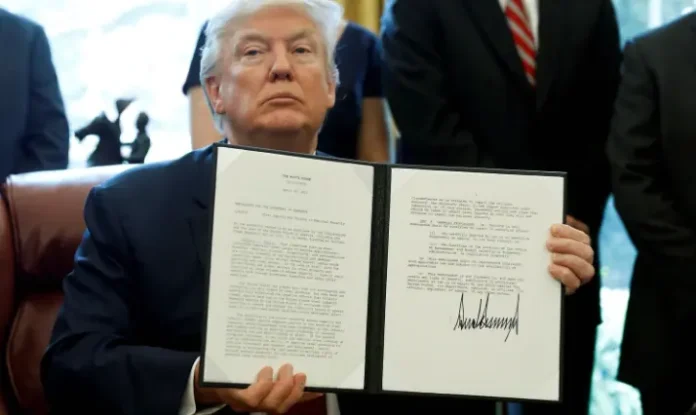
In the realm of American politics, few figures have stirred as much debate and division as former President Donald Trump, particularly regarding his foreign policy decisions. As we delve into the sentiments of the American populace concerning Trump’s international strategies, we find a landscape marked by skepticism, approval, and a significant partisan divide. This article aims to provide a comprehensive overview of public opinion on Trump’s foreign policy, drawing on recent surveys and polls that reflect the attitudes of U.S. citizens.
Table of Contents

The Landscape of Public Opinion
General Sentiment
Recent surveys indicate that a majority of Americans harbor mixed feelings about Trump’s foreign policy. Many citizens express disapproval of his decisions, particularly those that deviate from traditional U.S. foreign relations. The Pew Research Center, among other polling organizations, has highlighted that a substantial portion of the population is either uncertain or negative regarding Trump’s approach to international issues.
- Disapproval Rates: Many Americans are critical of Trump’s withdrawal from key global agreements, including the World Health Organization (WHO) and the Paris Climate Accord. The sentiment against these actions is palpable, with significant percentages of the population opposing these moves.
- Approval Ratings: Conversely, a smaller but notable segment of the population supports Trump’s policies, particularly among Republican respondents, indicating a clear partisan divide in perceptions of his foreign policy.
Partisan Divides
The divide in opinion is starkly evident along party lines. Republicans tend to support Trump’s foreign policy initiatives, while Democrats largely oppose them. This polarization is not merely a reflection of individual policies but rather a broader ideological divide that shapes how each party interprets Trump’s actions on the global stage.
- Republican Support: Approximately 64% of self-identified Republicans approve of Trump’s decision to cut funding for foreign aid programs, showcasing a strong alignment with his administration’s priorities.
- Democratic Opposition: In stark contrast, only about 9% of Democrats support these same policies, highlighting the deep-seated divides in political ideology.
Key Policy Areas of Concern
Relations with Russia
One of the most contentious aspects of Trump’s foreign policy has been his approach to Russia, particularly in the context of the ongoing conflict in Ukraine. Many Americans perceive Trump’s overtures to Russian President Vladimir Putin as excessively favorable.
- Public Perception: Polls indicate that 43% of Americans believe Trump favors Russia too much in negotiations regarding Ukraine, while only a minority feel he strikes the right balance.
- Partisan Perspectives: Among Republicans, a majority believe Trump is handling the situation appropriately, whereas a significant majority of Democrats express concern over his perceived leniency towards Moscow.
The Israeli-Palestinian Conflict
Trump’s policies in the Middle East, particularly concerning Israel and Palestine, have also drawn considerable scrutiny. Public opinion is notably divided on whether Trump is favoring one side over the other.
- Favoritism Concerns: Approximately 31% of Americans believe Trump shows too much bias towards Israel, while only a small fraction feels he favors the Palestinians.
- Uncertainty: A significant portion of respondents, around 37%, remain unsure about his stance, indicating a lack of clarity in his policies.
Tariffs and Trade Policies
Trump’s approach to international trade, particularly his tariffs on China, has sparked debate among Americans. The economic implications of these tariffs are a significant concern for many.
- Economic Impact: A majority of Americans, about 52%, believe that Trump’s tariffs will negatively affect the U.S. economy, reflecting widespread apprehension about the trade war with China.
- Personal Consequences: Many respondents also express concern about how these tariffs will impact their personal finances, highlighting the tangible effects of foreign policy decisions on everyday Americans.
Specific Policy Decisions
Withdrawal from International Agreements
Trump’s decision to withdraw from international organizations and agreements has been met with considerable backlash. Many Americans feel that these actions undermine U.S. standing on the global stage.
- WHO and Climate Accord: The decision to exit the WHO and the Paris Climate Accord has drawn significant criticism, with 52% of Americans opposing the withdrawal from the WHO and 46% disapproving of leaving the climate agreement.
- Aid Programs: The shuttering of the U.S. Agency for International Development (USAID) has also faced disapproval, with 45% of respondents expressing concern over ending these vital programs.
Greenland and Territorial Ambitions
Trump’s controversial interest in acquiring Greenland has become a focal point of discussion in American foreign policy debates. This proposal has raised eyebrows and prompted skepticism among the public.
- Public Rejection: A significant majority, around 54%, oppose the idea of the U.S. taking control of Greenland, highlighting a general reluctance to pursue territorial acquisitions.
- Political Divide: Interestingly, while many Republicans support the idea, a substantial portion of the population remains unconvinced about its feasibility or desirability.
The Role of Age and Demographics
Age-Related Differences
Demographic factors, particularly age, play a crucial role in shaping opinions on Trump’s foreign policy. Older Americans tend to express more support for his actions compared to younger individuals.
- Older vs. Younger: Research indicates that individuals aged 50 and older are more likely to approve of Trump’s foreign policy decisions, while younger adults exhibit greater skepticism.
- Generational Divide: This generational divide underscores differing priorities and perspectives on international relations, with younger voters often advocating for more progressive policies.
Gender and Ethnic Considerations
Gender and ethnic backgrounds also influence opinions on Trump’s foreign policy. Women and minority groups tend to be more critical of his approach compared to their male and white counterparts.
- Gender Gap: Surveys show that women are more likely to disapprove of Trump’s foreign policy decisions, reflecting broader concerns about social justice and global cooperation.
- Ethnic Perspectives: Minority communities often express heightened concerns about Trump’s policies, particularly regarding immigration and international aid.
The Impact of Media Coverage
Media Influence on Public Perception
The media plays a pivotal role in shaping public opinion about Trump’s foreign policy. Coverage of international events and Trump’s responses significantly influences how Americans perceive his actions.
- Framing of Issues: The media’s portrayal of Trump’s dealings with foreign leaders, such as Putin and Netanyahu, can sway public sentiment, often amplifying concerns about favoritism or bias.
- Public Awareness: Increased media scrutiny can lead to heightened awareness of issues, prompting citizens to engage more actively in discussions about foreign policy.
Social Media’s Role
Social media platforms have become a battleground for debates surrounding Trump’s foreign policy. The rapid dissemination of information can both inform and mislead the public.
- Information Sharing: Social media enables users to share opinions and insights, creating a dynamic environment for discussion and debate.
- Misinformation Risks: However, the prevalence of misinformation can distort perceptions, leading to polarized views on Trump’s policies.
The Future of U.S. Foreign Policy

Anticipating Changes
As the political landscape evolves, Americans are left wondering what the future holds for U.S. foreign policy under Trump’s leadership. The potential for shifts in strategy remains a topic of discussion.
- Evolving Strategies: Analysts suggest that Trump’s approach may adapt in response to public sentiment and international developments, indicating a flexible foreign policy stance.
- Public Engagement: Increased public engagement in foreign policy discussions may influence future decisions, prompting leaders to consider the electorate’s opinions more carefully.
The Role of Upcoming Elections
The upcoming elections will undoubtedly play a crucial role in shaping the direction of U.S. foreign policy. Voter sentiment regarding Trump’s actions will be a significant factor in determining the future of international relations.
- Voter Influence: Candidates’ positions on foreign policy issues will likely be pivotal in influencing voter decisions, emphasizing the importance of public opinion.
- Policy Reevaluation: Depending on the electoral outcomes, there may be a reevaluation of current policies, particularly those that have faced significant backlash.
Conclusion
In summary, the American public’s perception of Trump’s foreign policies is characterized by a complex interplay of approval, disapproval, and uncertainty. While a significant portion of the population expresses skepticism about his decisions, particularly concerning relations with Russia, the Middle East, and international agreements, there remains a notable faction that supports his approach. This division is heavily influenced by partisan affiliations, age demographics, and media coverage.
As Trump continues to navigate the challenges of foreign policy, the American populace will undoubtedly remain engaged, voicing their opinions and shaping the discourse surrounding international relations. The future of U.S. foreign policy hinges not only on Trump’s actions but also on the evolving sentiments of the American people.




 and then