








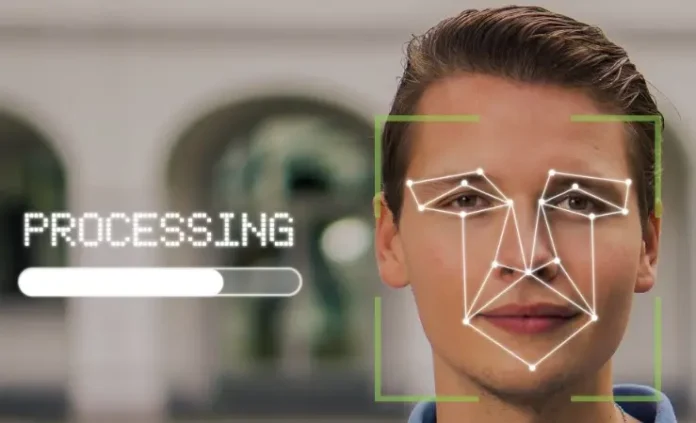
In today’s digital age, scammers are constantly finding innovative ways to exploit technology for their malicious activities. One such method is the use of deepfake technology, which has recently cost a multinational company in Hong Kong a staggering $200 million. In this article, we delve into the details of this deepfake scam, how it unfolded, and the implications it has for businesses worldwide. We will also explore the growing concerns surrounding deepfake technology and the measures companies can take to protect themselves.

The Deepfake Scam: A Costly Deception
In a case that has shocked the business world, a Hong Kong-based multinational company fell victim to a sophisticated deepfake video conference scam. The scam resulted in the loss of HK$200 million, equivalent to around $25.6 million USD. According to reports, an unsuspecting employee, who believed he was participating in a video call with his company’s chief financial officer (CFO) and other colleagues, was deceived by AI-generated deepfake personas.
The employee received an invitation to the video conference from someone impersonating the CFO. Little did he know that the fraudster had downloaded pre-recorded videos and used artificial intelligence to manipulate them, creating highly realistic deepfake versions of the CFO and other participants. The deepfake personas convincingly mimicked the appearance and voices of the real individuals, leading the employee to trust their authenticity.
The Deceptive Video Conference
During the video conference, the deepfake personas instructed the employee to transfer a total of HK$200 million to five different local bank accounts. Despite the initial suspicion raised by the employee, who found the text invitation peculiar, the convincing nature of the deepfake personas on the call reassured him. Consequently, the employee complied with the instructions and made 15 transactions, transferring the requested funds to the specified accounts.
It wasn’t until the employee contacted the company’s head office a week later that the scam was uncovered. The employee realized he had been manipulated by the deepfake technology and had fallen victim to an elaborate deception. The Hong Kong police, who are investigating the case, did not disclose the name of the company or the individuals involved.
The Rise of Deepfake Technology
This incident serves as a stark reminder of the increasing sophistication of deepfake technology and its potential to deceive individuals and organizations. Deepfakes are manipulated or synthesized media, such as photos or videos, that appear remarkably authentic. They are created using artificial intelligence algorithms that analyze and manipulate existing footage to generate new content that is difficult to distinguish from reality.
The use of deepfakes in scams and fraudulent activities has been on the rise, raising concerns among authorities worldwide. The Hong Kong deepfake scam is just one example of how criminals are exploiting this technology for financial gain. In recent years, there have been cases of deepfakes being used to impersonate high-profile individuals, create fake news, and even produce explicit content without the consent of the individuals involved.
Implications for Businesses and Individuals
The deepfake scam that resulted in the loss of $200 million highlights the urgent need for businesses and individuals to be vigilant and adopt measures to protect themselves from such sophisticated deception. The implications of falling victim to a deepfake scam can be devastating, both financially and reputationally.
For businesses, the fallout from a deepfake scam can lead to significant financial losses, damage to brand reputation, and legal repercussions. The incident can erode trust among customers, partners, and stakeholders, affecting long-term business relationships. Therefore, it is essential for companies to incorporate robust cybersecurity measures and employee training programs to mitigate the risks posed by deepfake technology.
Individuals must also exercise caution and skepticism when participating in video conferences or receiving instructions involving financial transactions. Implementing multi-factor authentication and regularly verifying the identities of participants can help prevent falling prey to deepfake scams. It is crucial to establish secure communication channels and to confirm important details through trusted means before taking any actions requested during video conferences.
Combating Deepfake Scams: A Multi-Faceted Approach
To combat deepfake scams effectively, a multi-faceted approach is required, combining technological solutions, employee education, and regulatory measures. Here are some strategies that businesses can adopt:
- Invest in Advanced Deepfake Detection Technology: Organizations can leverage cutting-edge AI-powered tools designed to detect and identify deepfake content. These technologies utilize machine learning algorithms to analyze visual and auditory cues, helping to identify signs of manipulation and differentiate between genuine and deepfake media.
- Enhance Employee Awareness and Training: Educating employees about the risks associated with deepfake technology is crucial. Awareness programs can help employees recognize the signs of deepfakes, such as subtle visual anomalies or inconsistencies in speech patterns. Training sessions can provide practical guidance on verifying the authenticity of individuals and communications in virtual meetings.
- Implement Strict Verification Protocols: Companies should establish robust verification protocols for financial transactions and sensitive information exchanges. This can include the use of multi-factor authentication, secure communication channels, and the implementation of approval processes for high-value transactions.
- Strengthen Cybersecurity Measures: Ensuring that comprehensive cybersecurity measures are in place is vital for protecting against deepfake scams. This includes regular software updates, strong encryption protocols, network monitoring, and employee access controls. Organizations should also conduct regular audits and assessments to identify vulnerabilities and address them promptly.

The Future of Deepfake Scams
As deepfake technology continues to advance, the potential for more sophisticated scams and fraudulent activities grows. The Hong Kong deepfake scam serves as a wake-up call for organizations and individuals to remain vigilant and adapt to the evolving landscape of cybersecurity threats.
The development of deepfake detection technologies and regulatory frameworks will play a crucial role in mitigating the risks posed by deepfake scams. Collaboration between technology companies, law enforcement agencies, and policymakers is essential to stay one step ahead of fraudsters and protect individuals and businesses from falling victim to these deceptive practices.
In conclusion, the deepfake scam that resulted in the loss of $200 million by a multinational company in Hong Kong underscores the urgent need for increased awareness, robust cybersecurity measures, and employee education. By staying informed about the risks and adopting preventive measures, businesses and individuals can better protect themselves from the growing threat of deepfake scams. Vigilance, skepticism, and a proactive approach to cybersecurity are key in navigating the digital landscape of today and the future.




 and then