









Job seekers sue company scanning résumés using AI because automated hiring systems can secretly analyze, score, and reject applicants without transparency or consent. The lawsuit challenges AI hiring practices over privacy, fairness, and accountability in modern recruitment.
KumDi.com
Job seekers suing a company for scanning their résumés using AI highlights growing resistance to automated hiring technology that operates without transparency. As AI resume screening tools increasingly determine who advances in the hiring process, concerns over data privacy, bias, and accountability are driving legal and regulatory scrutiny.
Artificial intelligence has become deeply embedded in modern recruitment. From résumé parsing to automated candidate ranking, AI promises efficiency, scalability, and data-driven hiring decisions. However, as AI systems increasingly influence who gets hired and who gets ignored, job seekers are beginning to push back. A growing legal battle over AI résumé scanning highlights serious concerns about transparency, privacy, fairness, and accountability in algorithm-driven hiring.
The lawsuit filed by job seekers against a company using AI to scan and score résumés is not just about one employer or one technology platform. It represents a broader reckoning with how artificial intelligence is reshaping employment decisions — often without applicants’ knowledge or consent.
Table of Contents

How AI Résumé Scanning Works in Modern Hiring
Most large employers receive hundreds or even thousands of applications for a single role. To manage this volume, companies increasingly rely on AI-powered applicant tracking systems (ATS). These systems do far more than simple keyword matching.
Modern AI hiring tools can:
- Parse résumés to extract skills, education, job history, and certifications
- Analyze language patterns and career trajectories
- Compare applicants against past successful employees
- Generate predictive scores estimating “future job performance”
- Automatically rank or filter candidates before any human review
In many cases, a candidate’s résumé is never seen by a recruiter if the AI system assigns a low score. This automation effectively turns AI into the first — and sometimes final — decision-maker in the hiring process.
Why Job Seekers Are Taking Legal Action
The lawsuit at the center of this debate alleges that AI résumé scanning systems operate in secrecy, collecting and analyzing personal data without meaningful disclosure. According to the claims, job applicants were unaware that an AI model was evaluating them, assigning scores, and influencing hiring decisions.
The core concerns raised by job seekers include:
Lack of Transparency
Applicants are not told how they are being evaluated, what data is used, or why they were rejected. Unlike traditional hiring, there is no feedback loop or explanation.
No Opportunity to Correct Errors
AI systems can misinterpret résumés, infer incorrect information, or rely on outdated data. Job seekers often have no way to view, challenge, or correct these assessments.
Potential Privacy Violations
Beyond résumé content, some AI tools allegedly incorporate publicly available online data, inferred behavior, or other digital signals. Applicants argue they never consented to this level of data aggregation.
Automated Decision-Making Without Human Oversight
When AI tools automatically rank or eliminate candidates, humans may simply accept the results without questioning how they were generated.
For job seekers, this creates a feeling of being judged by an invisible system with no accountability.
The Legal Argument: When AI Becomes a Gatekeeper
At the heart of the lawsuit is a critical legal question: when does an AI hiring tool cross the line from being a neutral software product to becoming a decision-making authority with legal responsibilities?
Plaintiffs argue that AI résumé scanning systems function similarly to consumer reporting tools because they:
- Compile personal data about individuals
- Analyze that data to generate evaluative scores
- Share those scores with third parties (employers)
- Influence decisions that significantly affect a person’s livelihood
From this perspective, AI hiring platforms should be subject to stricter disclosure, accuracy, and fairness requirements. The case challenges the idea that algorithmic decisions exist outside traditional legal frameworks.
Bias and Discrimination Risks in AI Hiring
One of the most serious concerns surrounding AI résumé scanning is algorithmic bias. Even when developers do not intend to discriminate, AI systems can learn patterns from historical data that reflect past inequalities.
Potential bias risks include:
- Favoring career paths common to certain demographics
- Penalizing résumé gaps related to caregiving, illness, or disability
- Devaluing non-traditional education or international experience
- Reinforcing age, gender, or socioeconomic biases embedded in training data
Because AI systems often operate as “black boxes,” it can be difficult to identify or prove discriminatory outcomes. Job seekers may never know whether they were rejected based on merit or biased patterns hidden in the model.
Ethical Concerns Beyond the Courtroom
Even if AI résumé scanning systems comply with existing laws, ethical questions remain.
Informed Consent
Should candidates be explicitly informed when AI is evaluating them? Many applicants assume a human is reviewing their résumé, not an algorithm making probabilistic judgments.
Explainability
Is it fair to deny someone employment without explaining why? Ethical AI frameworks increasingly emphasize the right to explanation, especially for high-impact decisions.
Human Dignity
Employment is not just a transaction — it affects identity, stability, and self-worth. Delegating these decisions entirely to machines raises concerns about dehumanization.
These ethical issues are driving calls for stronger governance of AI hiring tools.
What This Means for Employers
For employers, the lawsuit serves as a warning. While AI can dramatically reduce hiring costs and speed up recruitment, unchecked use carries significant risk.
Companies using AI résumé scanning tools may face:
- Legal exposure if systems lack transparency
- Reputational damage if candidates feel unfairly treated
- Regulatory scrutiny as governments update AI and labor laws
- Reduced candidate trust and employer brand value
Forward-thinking employers are beginning to adopt best practices, such as combining AI with human review, auditing algorithms for bias, and clearly disclosing AI use in hiring.
The Future of AI Regulation in Hiring
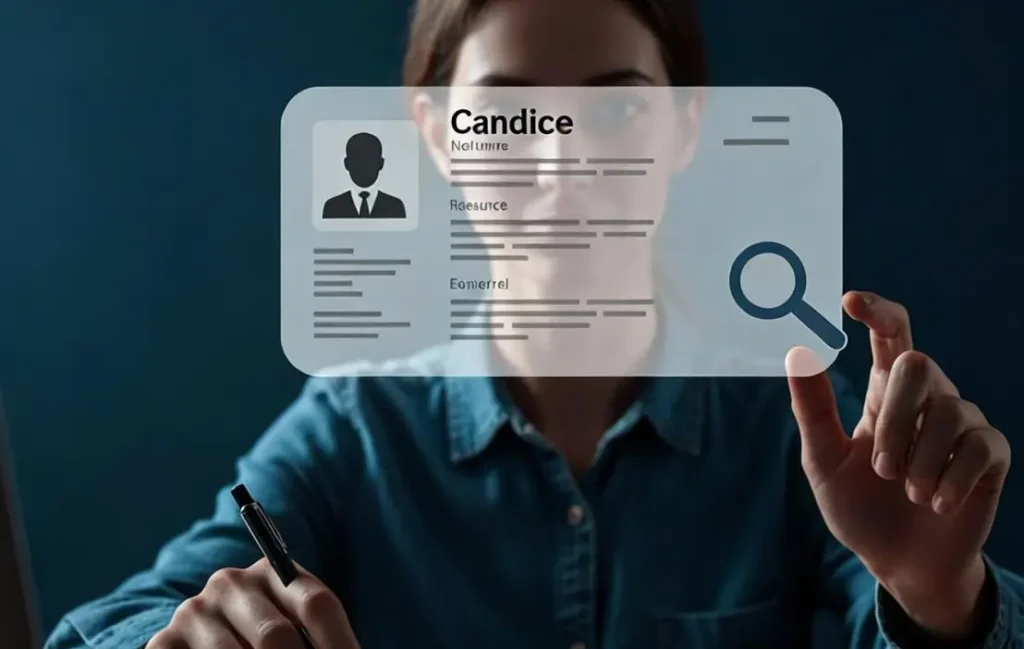
This case arrives at a moment when governments worldwide are actively debating AI regulation. Employment is increasingly seen as a high-risk use case for AI due to its impact on individuals’ economic opportunities.
Future regulations may require:
- Clear disclosure when AI influences hiring decisions
- Documentation of how algorithms work and are trained
- Regular bias and accuracy audits
- Mechanisms for candidates to appeal automated decisions
Whether through courts or legislation, AI hiring systems are unlikely to remain unregulated.
What Job Seekers Can Do Right Now
While legal outcomes remain uncertain, job seekers can take practical steps to navigate AI-driven hiring:
- Optimize résumés for clarity and structure to reduce parsing errors
- Use standard job titles and skills terminology
- Avoid excessive formatting that may confuse automated systems
- Apply directly through company career pages when possible
- Advocate for transparency by asking employers about AI use
Awareness is the first defense against invisible decision-making systems.
A Defining Moment for AI and Employment
The lawsuit over AI résumé scanning marks a defining moment in the relationship between technology and work. It challenges the assumption that efficiency should outweigh fairness, and that automation should operate without accountability.
AI has the potential to improve hiring by reducing human bias and expanding access to opportunity. But without transparency, oversight, and respect for individual rights, it risks becoming an unchallengeable gatekeeper — silently shaping careers behind the scenes.
As courts, regulators, employers, and job seekers grapple with these questions, one thing is clear: the future of hiring will not be decided by technology alone, but by how society chooses to govern it.

FAQs
Why are job seekers suing a company for scanning résumés using AI?
Job seekers sue a company scanning résumés using AI because automated hiring systems can analyze personal data, rank candidates, and reject applicants without transparency, consent, or clear explanations, raising concerns about fairness and privacy.
How does AI resume screening technology affect job applicants?
AI resume screening technology affects job applicants by automatically filtering and scoring résumés, often without human review, which can increase rejection rates and amplify AI hiring discrimination if the system contains biased data.
Is AI hiring technology legally regulated?
AI hiring technology is increasingly regulated, but many automated hiring tools operate in legal gray areas, prompting lawsuits that argue AI resume screening systems should follow consumer protection and employment fairness laws.
Can AI resume screening cause hiring discrimination?
Yes, AI resume screening can cause hiring discrimination when algorithms rely on biased historical data, unintentionally disadvantaging certain age groups, backgrounds, or career paths in automated hiring technology.
What does this AI resume screening lawsuit mean for employers?
This AI resume screening lawsuit signals that employers must ensure transparency, fairness, and oversight when using automated hiring technology, or risk legal exposure and damage to employer trust.




 and then