








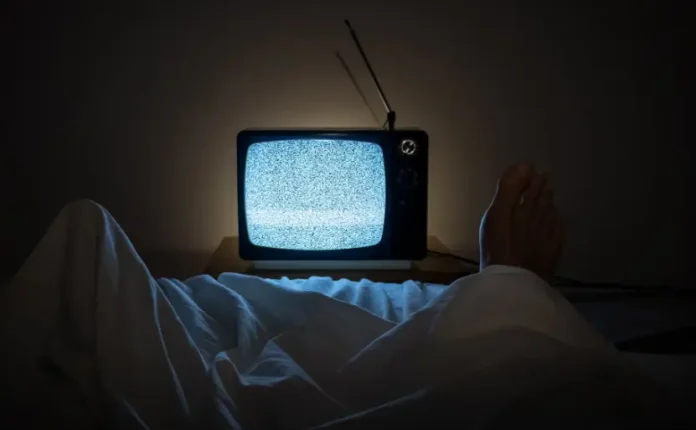

Does sleeping with the TV on increase the risk of heart disease?
KumDi.com
Yes. Sleeping with the TV on may increase the risk of heart disease indirectly by disrupting normal sleep, suppressing melatonin production, elevating nighttime blood pressure, increasing stress hormone activity, and contributing to chronic inflammation. While the TV itself does not cause heart disease, poor sleep quality is a well-established cardiovascular risk factor. Creating a dark, quiet sleeping environment can help support better heart health.
Many people fall asleep with the television on, believing it helps them relax or reduces feelings of loneliness. However, growing scientific evidence suggests that regular exposure to television light and sound during sleep may increase the risk of cardiovascular disease over time.
The risk is not caused by the television itself, but by how light exposure, nighttime noise, disrupted sleep cycles, and poor sleep quality affect the body’s cardiovascular system. While sleeping with the TV on occasionally is unlikely to cause heart disease, making it a nightly habit may contribute to several risk factors, including high blood pressure, obesity, diabetes, inflammation, and metabolic dysfunction.
According to research published by the American Heart Association (AHA), National Institutes of Health (NIH), American Academy of Sleep Medicine (AASM), and multiple peer-reviewed sleep studies, maintaining a dark, quiet sleeping environment is one of the simplest ways to support long-term heart health.
Table of Contents

Why Sleep Matters for Heart Health
Sleep is one of the body’s most important recovery processes.
During healthy sleep:
- Blood pressure naturally decreases
- Heart rate slows
- Blood vessels relax
- Stress hormones decline
- The immune system repairs damaged tissues
- Inflammation decreases
Cardiologists often refer to nighttime as the heart’s “recovery period.”
When sleep is repeatedly interrupted, these protective processes become less effective.
How Sleeping with the TV On Affects the Body
Several mechanisms explain why television exposure during sleep may negatively affect cardiovascular health.
1. Artificial Light Suppresses Melatonin
Even with closed eyes, light from televisions reaches the retina.
Blue wavelengths emitted from modern LED televisions suppress the release of melatonin, the hormone responsible for regulating the body’s circadian rhythm.
Lower melatonin levels may result in:
- delayed sleep onset
- lighter sleep
- frequent awakenings
- reduced REM sleep
- reduced deep sleep
Melatonin also possesses antioxidant and anti-inflammatory properties that may help protect cardiovascular tissues.
2. Noise Prevents Deep Sleep
Unlike white noise, television audio constantly changes.
Dialogue, commercials, explosions, and sudden volume changes repeatedly activate the brain.
Even if the sleeper does not fully awaken, the brain continues processing sound.
Sleep researchers call these micro-arousals, brief interruptions that reduce restorative sleep without the person realizing it.
3. Increased Sympathetic Nervous System Activity
Healthy sleep activates the parasympathetic nervous system (“rest and digest”).
Poor-quality sleep increases sympathetic (“fight or flight”) activity.
This leads to:
- elevated heart rate
- increased blood pressure
- higher cortisol levels
- increased adrenaline
- reduced heart rate variability
Persistent sympathetic activation is strongly associated with cardiovascular disease.
The Link Between Sleep and Heart Disease
Modern cardiology increasingly recognizes poor sleep as a major cardiovascular risk factor.
Studies associate insufficient or fragmented sleep with:
- Coronary artery disease
- Hypertension
- Heart attack
- Stroke
- Heart failure
- Cardiac arrhythmias
- Atrial fibrillation
The American Heart Association now includes healthy sleep duration as one component of optimal cardiovascular health.
Research Findings Supporting the Connection
Several important studies have strengthened this evidence.
NIH Bedroom Light Study
Researchers found that sleeping with moderate room light was associated with:
- increased nighttime heart rate
- higher morning insulin resistance
- reduced autonomic recovery
- elevated next-day cardiovascular stress
Even relatively low levels of light produced measurable physiological changes.
Sleep Duration Studies
Adults sleeping fewer than six hours per night consistently show higher rates of:
- obesity
- hypertension
- diabetes
- coronary artery disease
Television use before and during sleep contributes to reduced sleep quality rather than sleep duration alone.
Circadian Rhythm Research
The body’s internal clock regulates nearly every organ.
Disrupting circadian rhythms affects:
- hormone secretion
- blood sugar control
- cholesterol metabolism
- immune function
- vascular repair
Long-term circadian disruption has been linked to increased cardiovascular mortality.
Why Television Is Worse Than White Noise
Many people compare television to white noise.
However, there are important differences.
| Television | White Noise |
|---|---|
| Constantly changing sounds | Continuous steady sound |
| Bright flashing light | No light |
| Emotional content | Neutral sound |
| Stimulates attention | Masks environmental noise |
| Interrupts sleep stages | Often improves sleep continuity |
The constantly changing nature of television makes it far more stimulating for the sleeping brain.
Health Conditions Potentially Worsened by Sleeping with the TV On
Although television does not directly cause these diseases, chronic sleep disruption increases the likelihood of developing:
- High blood pressure
- Type 2 diabetes
- Obesity
- Metabolic syndrome
- Depression
- Anxiety
- Stroke
- Coronary artery disease
- Heart attack
- Irregular heartbeat
How Poor Sleep Affects Blood Pressure
Normally, blood pressure decreases by approximately 10–20% during sleep.
This phenomenon is called nocturnal dipping.
Individuals experiencing fragmented sleep often lose this normal nighttime decline.
Non-dipping blood pressure patterns are associated with:
- increased arterial stiffness
- kidney disease
- stroke
- left ventricular hypertrophy
- heart attack
Does the TV Need to Be Loud?
Not necessarily.
Even low-volume television can interfere with sleep because the brain remains responsive to speech and unpredictable sounds.
Brain imaging studies show that sleeping brains continue processing language and emotional sounds throughout the night.
Who Is Most at Risk?
Certain groups may be particularly vulnerable.
Older Adults
- lighter sleep
- increased cardiovascular risk
- greater sensitivity to nighttime noise
Shift Workers
Already experiencing circadian disruption, additional television exposure may worsen sleep quality.
Individuals with High Blood Pressure
Poor sleep can make blood pressure more difficult to control.
People with Sleep Apnea
Television cannot cause sleep apnea, but fragmented sleep may worsen daytime fatigue and cardiovascular complications.
Real-Life Clinical Example
Consider two adults of similar age.
Person A
- Sleeps in a dark room
- No television
- Consistent bedtime
- Sleeps 7–8 hours
Person B
- Falls asleep watching television nightly
- Frequent awakenings
- Sleeps six fragmented hours
- Uses screens until bedtime
After several years, Person B is more likely to develop:
- elevated blood pressure
- insulin resistance
- chronic inflammation
- weight gain
- reduced cardiovascular recovery
While many lifestyle factors influence these outcomes, sleep quality is an important contributor.
Practical Ways to Stop Sleeping with the TV On
If television has become part of your bedtime routine, gradual changes are often more successful than abrupt elimination.
Better alternatives include:
- Reading a printed book
- Listening to calming music
- Guided meditation
- Sleep-focused audio apps
- White noise machines
- Nature sounds
- Breathing exercises
- Progressive muscle relaxation
Many televisions also include automatic sleep timers, allowing the device to turn off shortly after you fall asleep.
Healthy Sleep Habits That Protect the Heart
Experts generally recommend:
- Maintain a consistent sleep schedule
- Keep the bedroom cool and dark
- Avoid screens 30–60 minutes before bed
- Limit caffeine late in the day
- Exercise regularly
- Avoid heavy meals before bedtime
- Reduce alcohol intake
- Treat sleep disorders promptly
- Aim for 7–9 hours of quality sleep

FAQs
Can sleeping with the TV on cause heart disease?
Not directly. However, regularly sleeping with the TV on can disrupt sleep quality, increase blood pressure, impair metabolism, and promote inflammation, all of which are known risk factors for cardiovascular disease.
Why is sleeping with the TV on bad for your heart?
The combination of blue light and changing sounds can suppress melatonin, interrupt deep sleep, activate the body’s stress response, and reduce the heart’s ability to recover overnight.
Is it worse to sleep with the TV on than with white noise?
Yes. Television produces fluctuating light and unpredictable sounds that stimulate the brain, whereas white noise provides a consistent sound that is generally less disruptive to sleep.
Does falling asleep with the TV on affect blood pressure?
Research suggests it can. Poor-quality sleep may prevent the normal nighttime drop in blood pressure (known as “nocturnal dipping”), increasing long-term cardiovascular risk.
What is the healthiest sleep environment for heart health?
Experts recommend sleeping in a dark, quiet, cool room without televisions or other bright electronic screens. Maintaining a regular sleep schedule and aiming for 7–9 hours of quality sleep each night supports optimal cardiovascular health.
Conclusion
Sleeping with the TV on is unlikely to cause heart disease by itself, but it can contribute to a chain of biological changes that increase cardiovascular risk over time. Light exposure, fluctuating sound, disrupted circadian rhythms, and fragmented sleep may elevate blood pressure, impair metabolic health, and promote chronic inflammation—all well-established risk factors for heart disease.
For most adults, creating a dark, quiet, screen-free sleep environment is a simple, low-cost strategy that supports healthier sleep and may help reduce long-term cardiovascular risk. If you regularly struggle with insomnia, loud snoring, excessive daytime sleepiness, or other sleep problems, consulting a healthcare professional or sleep specialist can help identify and treat underlying conditions before they affect overall health.




 and then