








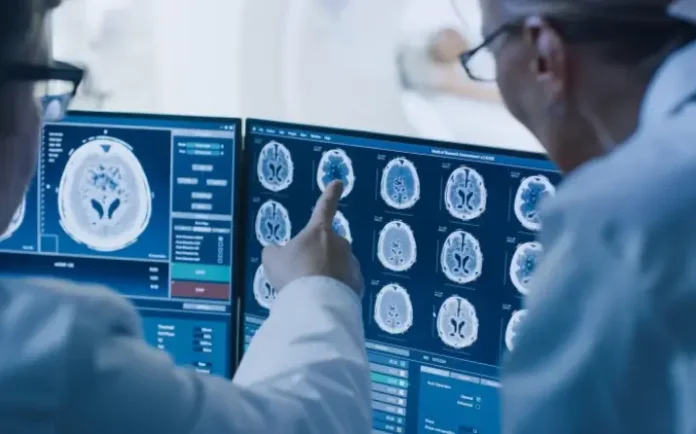
The future of dementia diagnosis and treatment is changing fast due to early biomarker testing, AI-powered diagnostics, and new dementia treatments. These advances allow earlier detection, more accurate diagnosis, and personalized care plans that can slow cognitive decline and improve quality of life.
KumDi.com
The future of dementia diagnosis and treatment is changing fast, marking one of the most significant transformations in modern medicine. For decades, dementia was diagnosed late, treated symptomatically, and managed reactively. Today, advances in medical technology, neuroscience, and digital health are reshaping how dementia is detected, understood, and treated. Early diagnosis, personalized medicine, and disease-modifying therapies are no longer distant goals — they are rapidly becoming reality.
This shift is redefining expectations for patients, families, caregivers, and healthcare providers alike. As research accelerates and innovation expands, dementia care is moving toward earlier intervention, greater precision, and improved quality of life.
Table of Contents

Why the Future of Dementia Diagnosis Is Changing So Quickly
Traditional dementia diagnosis relied heavily on cognitive decline that was already obvious. By the time symptoms such as memory loss, confusion, or impaired judgment appeared, irreversible brain damage had often occurred. This delay limited treatment options and reduced the effectiveness of care.
Today, the future of dementia diagnosis is changing fast due to the ability to detect biological changes before severe symptoms emerge. This shift allows clinicians to identify risk earlier, differentiate dementia types more accurately, and intervene at a stage when treatments are most effective.
Earlier Detection Through Biomarkers
One of the most impactful changes is the ability to identify dementia using biomarkers. These biological indicators reflect changes occurring in the brain long before noticeable cognitive decline. By measuring specific proteins or molecular signals, doctors can assess dementia risk earlier than ever before.
Earlier detection allows patients to plan ahead, begin treatment sooner, and adopt lifestyle strategies that support long-term brain health. It also enables healthcare systems to move from crisis response to preventive care.
Artificial Intelligence in Dementia Diagnosis
Artificial intelligence is accelerating the transformation of dementia diagnosis. AI systems analyze large volumes of data — including cognitive assessments, imaging results, and behavioral patterns — to identify subtle changes invisible to the human eye.
These technologies help distinguish between Alzheimer’s disease, vascular dementia, Lewy body dementia, and other cognitive disorders with greater accuracy. As AI models continue to learn, diagnostic precision will improve, reducing misdiagnosis and unnecessary delays.
Digital and Remote Assessment Tools
The future of dementia diagnosis is also becoming more accessible. Digital tools now allow cognitive screening and symptom tracking outside of traditional clinical settings. Smartphone apps, wearable devices, and online assessments can monitor changes in memory, movement, sleep, and daily behavior.
This shift expands access to early diagnosis, particularly for individuals in remote or underserved areas, and supports continuous monitoring rather than one-time evaluations.
How Dementia Treatment Is Rapidly Evolving
Just as diagnosis is changing, dementia treatment is undergoing a profound transformation. Historically, treatment focused on managing symptoms rather than altering disease progression. That approach is rapidly evolving.
Disease-Modifying Therapies
The future of dementia treatment is changing fast with the development of therapies designed to target the underlying causes of cognitive decline. Rather than simply easing symptoms, these treatments aim to slow or modify disease progression.
By addressing abnormal protein buildup, inflammation, or neuronal damage, disease-modifying treatments offer the potential to preserve cognitive function for longer periods. This represents a major shift in how dementia is managed clinically.
Personalized Treatment Strategies
Personalized medicine is becoming central to dementia care. Doctors increasingly tailor treatment plans based on individual risk factors, disease stage, genetics, and lifestyle patterns.
This approach recognizes that dementia is not a single disease but a complex set of conditions that affect individuals differently. Personalized treatment improves effectiveness while minimizing unnecessary side effects.
Combination Approaches to Dementia Care
The future of dementia treatment increasingly involves combination strategies. Medication is often paired with cognitive therapy, physical activity, nutritional support, and mental health care.
These multidimensional approaches address both biological and lifestyle factors, supporting overall brain health and improving daily functioning. Patients benefit from care plans that are holistic rather than fragmented.
Lifestyle and Prevention: A Core Part of Future Dementia Care
As understanding of dementia deepens, prevention and lifestyle management are becoming key components of treatment strategies.
Brain Health and Risk Reduction
Research continues to highlight the importance of cardiovascular health, physical activity, mental stimulation, and social engagement in reducing dementia risk. Future dementia care emphasizes proactive brain health rather than reactive treatment.
Early identification of risk allows individuals to adopt lifestyle changes that may delay or reduce the severity of cognitive decline.
Cognitive Training and Rehabilitation
Cognitive training programs are evolving to support memory, attention, and executive function. These interventions are increasingly personalized, adapting to an individual’s strengths and challenges.
Digital platforms allow patients to engage in structured cognitive exercises from home, supporting long-term brain resilience.
Emotional and Psychological Support
Dementia treatment now places greater emphasis on emotional well-being. Anxiety, depression, and social isolation can accelerate cognitive decline if left unaddressed.
Future care models integrate mental health support, caregiver education, and community engagement to improve overall outcomes.
The Role of Caregivers in the Future of Dementia Treatment

Caregivers are essential to dementia management, and their role is evolving alongside medical advances.
Empowered Caregiving Through Education
As diagnosis occurs earlier, caregivers gain more time to learn, prepare, and support their loved ones effectively. Education programs now focus on symptom recognition, communication strategies, and care planning.
Technology-Enabled Support
Digital tools help caregivers monitor symptoms, manage medications, and coordinate care. Remote support platforms and virtual consultations reduce stress and improve access to expert guidance.
Improving Quality of Life for Families
The future of dementia treatment recognizes that patient well-being is closely tied to caregiver well-being. Support systems are increasingly designed to reduce caregiver burnout and improve family resilience.
What the Future Holds for Dementia Research and Innovation
The pace of dementia research continues to accelerate, suggesting even more change ahead.
Earlier and More Precise Diagnosis
Future diagnostic tools may identify dementia decades before symptoms appear, allowing for preventive strategies that preserve brain health long-term.
Regenerative and Neuroprotective Therapies
Emerging treatments aim to protect neurons, repair damaged brain networks, and enhance cognitive resilience. These approaches could further redefine dementia treatment outcomes.
Integrated, Lifelong Brain Health Care
The future of dementia care may involve lifelong brain health monitoring, combining genetics, lifestyle data, digital tracking, and preventive interventions into personalized care plans.
Common Questions About the Future of Dementia Diagnosis and Treatment
Is dementia diagnosis becoming more accurate?
Yes, advances in biomarkers, AI analysis, and digital assessments are improving diagnostic accuracy and reducing delays.
Can dementia be treated earlier than before?
Early diagnosis allows treatment to begin sooner, improving outcomes and slowing cognitive decline.
Will dementia treatment become personalized?
Personalized medicine is becoming standard, tailoring care to individual biology and lifestyle factors.
Are lifestyle changes really important?
Lifestyle strategies play a critical role in prevention, symptom management, and overall brain health.
Will dementia ever be curable?
While a complete cure remains under research, the future of dementia treatment is focused on slowing progression, preserving function, and improving quality of life.
Conclusion: A Rapidly Changing Future for Dementia Care
The future of dementia diagnosis and treatment is changing fast, driven by innovation, early detection, and personalized care. These advances are transforming dementia from a condition diagnosed late and managed passively into one addressed proactively and precisely.
As science continues to evolve, patients and families can expect earlier answers, more effective treatments, and greater hope. The rapid transformation of dementia care represents one of the most promising developments in modern healthcare — and the future is only just beginning.
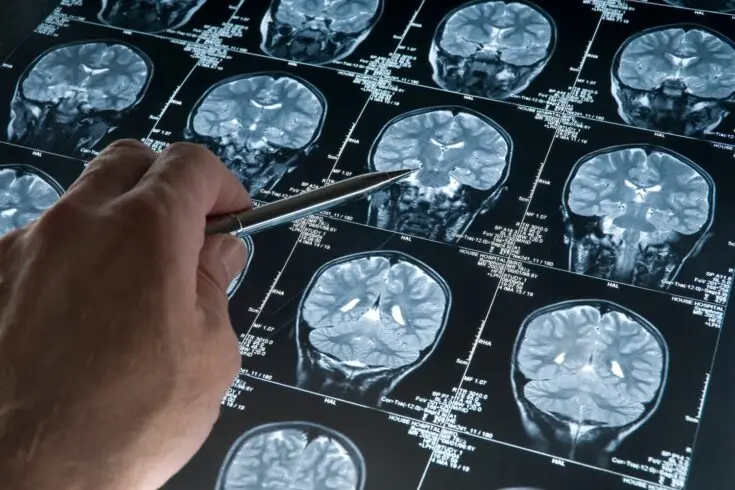
FAQs
Why is the future of dementia diagnosis and treatment changing fast?
The future of dementia diagnosis and treatment is changing fast because of early dementia diagnosis tools, dementia biomarker testing, and new dementia treatments that target disease progression instead of only symptoms.
What role does early dementia diagnosis play in future treatment?
Early dementia diagnosis allows doctors to begin new dementia treatments sooner, personalize care plans, and potentially slow cognitive decline before symptoms become severe.
How do dementia biomarker tests improve diagnosis accuracy?
Dementia biomarker testing detects biological changes linked to cognitive decline, making early dementia diagnosis more accurate and reducing misdiagnosis in the future of dementia care.
What are the most important new dementia treatments emerging?
New dementia treatments focus on disease-modifying therapies, combination care approaches, and personalized medicine, all shaping the future of dementia diagnosis and treatment.
What does this fast-changing future mean for patients and families?
The future of dementia diagnosis and treatment is changing fast by providing earlier answers, better planning, improved quality of life, and more effective support for patients and caregivers.


 and then