








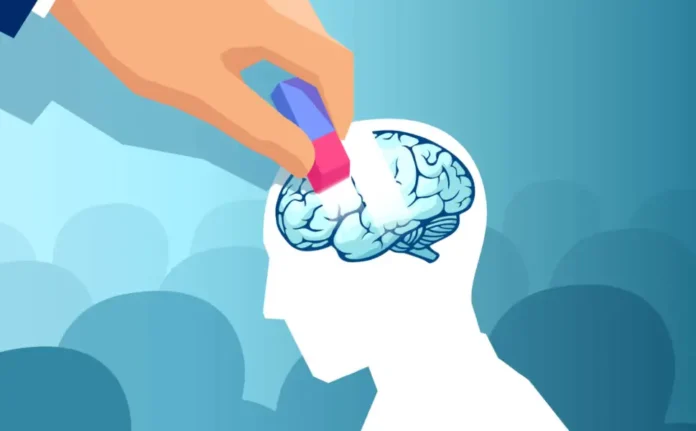

The reverse memory loss protein, known as FTL1, has been identified as a key factor in cognitive decline. By reducing this protein in the brain, researchers restored synaptic strength, improved memory, and reversed signs of brain aging, highlighting a potential breakthrough in reversing memory loss.
KumDi.com
Memory loss and cognitive decline are no longer seen as inevitable with age. Recent breakthroughs show that a single brain protein, FTL1, may act as a switch controlling cognitive health. By targeting this protein, researchers have found ways to reverse memory loss, restore brain function, and potentially slow brain aging.
Memory loss and cognitive decline are often considered inevitable consequences of aging. For decades, scientists have searched for ways not only to slow this process but to reverse it. Recent breakthroughs in neuroscience are now revealing that the brain’s decline may not be as irreversible as once believed. At the center of this discovery lies a little-known protein, ferritin light chain 1 (FTL1). Once thought to be a simple byproduct of aging, FTL1 is now emerging as a key regulator of how the brain ages, and more importantly, as a potential switch that can be turned off to restore memory and cognitive function.
This research opens the door to the possibility of treating age-related memory decline, dementia, and even Alzheimer’s disease in entirely new ways. What once sounded like science fiction—the reversal of brain aging—may soon become a reality.
Table of Contents
The Aging Brain and the Role of FTL1
The hippocampus, a brain region crucial for memory and learning, is one of the areas most affected by aging. As people grow older, neurons in the hippocampus become less efficient at transmitting signals, synaptic connections weaken, and the structural complexity of neural networks diminishes. This leads to the gradual decline in memory and problem-solving ability that so many experience in later life.
Researchers examining the aging hippocampus identified that levels of a particular protein, FTL1, rise sharply with age. This protein is linked to iron regulation in the brain, and its buildup creates a cascade of harmful changes. Rather than serving a protective role, excessive FTL1 appears to disrupt the delicate balance of iron metabolism, alter neuronal energy production, and impair the structural integrity of neural circuits.
What Happens When FTL1 Levels Rise
To test whether FTL1 was merely associated with aging or directly responsible for decline, scientists artificially increased its levels in the brains of young animals. The effects were profound:
- Simplified Neuronal Structure: Neurons lost their branching complexity, resembling those of older brains. Instead of sending out multiple rich connections, the cells extended just a single, stunted projection.
- Synaptic Loss: Essential proteins that maintain excitatory and inhibitory synapses diminished, weakening the communication between neurons.
- Energy Deficits: Mitochondria, the cell’s powerhouses, produced less ATP—the fuel neurons need to fire and adapt.
- Memory Impairments: Animals with elevated FTL1 levels performed poorly on tasks that tested object recognition, spatial navigation, and memory retention.
In essence, boosting FTL1 in young brains made them look and act old.
Turning Back the Clock: Blocking FTL1
If excess FTL1 drives cognitive decline, could suppressing it restore memory? The answer, remarkably, appears to be yes. When researchers reduced or switched off FTL1 in older animals, the results were dramatic:
- Neural Structures Rebuilt: Neurons regained their branching patterns and complexity, resembling those of much younger brains.
- Synapses Restored: Synaptic proteins rebounded, reestablishing stronger communication pathways.
- Cognitive Function Recovered: Older animals performed significantly better on memory and learning tasks, suggesting that the intervention had not only halted decline but actively reversed it.
This reversal underscores the exciting possibility that aging in the brain is not a one-way street. With the right molecular target, it can be pushed back.
Energy Metabolism: The Missing Link
One of the most intriguing aspects of this discovery is the connection between FTL1 and cellular metabolism. High FTL1 levels reduce ATP production, leaving neurons underpowered. When FTL1 is suppressed, energy production rebounds. In some experiments, even supplementing neurons with metabolic boosters like NADH partially countered the effects of excess FTL1, suggesting that restoring energy metabolism is a central pathway to rejuvenating the brain.
This link highlights how brain aging may not be solely about structural wear-and-tear, but also about metabolic dysfunction. If neurons can regain their energy supply, they may retain—or even recover—their youthful resilience.
Why This Matters for Human Health
For millions worldwide, age-related memory loss, mild cognitive impairment, and dementia pose devastating personal and societal challenges. Treatments today are largely limited to slowing progression or managing symptoms. The possibility of reversing cognitive decline changes the game entirely.
Targeting FTL1 could represent a new class of therapies that directly address one of the root causes of brain aging. Instead of treating the symptoms of memory loss, future drugs might reset the brain’s molecular environment to a more youthful state. This could mean sharper memory, better learning, and preserved independence well into old age.
Challenges Ahead
While the results are groundbreaking, translating them into therapies for humans is complex. Several key challenges remain:
- Safety: Suppressing FTL1 may have unforeseen side effects, particularly because iron metabolism is vital for many bodily processes.
- Delivery: Finding effective, non-invasive ways to target FTL1 in the human brain will require innovative approaches in drug design and delivery systems.
- Complexity of Aging: Aging involves thousands of molecular changes. While FTL1 is a powerful switch, it may be just one piece of a much larger puzzle.
- Clinical Trials: Extensive testing in human subjects will be necessary before any therapy becomes available, a process that typically takes years.
Despite these hurdles, the proof-of-concept that brain aging can be reversed is a milestone in neuroscience.
The Future of Memory Restoration
The discovery of FTL1 as a regulator of cognitive decline invites a wave of new research. Future studies will likely explore:
- Drug Development: Small molecules or antibodies designed to selectively block FTL1 activity.
- Metabolic Boosters: Therapies aimed at restoring neuronal energy production alongside FTL1 suppression.
- Combination Approaches: Integrating FTL1-targeted therapies with lifestyle interventions such as diet, exercise, and cognitive training.
- Broader Applications: Investigating whether manipulating FTL1 could help in conditions like Alzheimer’s disease, Parkinson’s disease, or traumatic brain injury.
For the first time, researchers are not just slowing the clock on brain aging—they are beginning to turn it back.
Conclusion
The brain’s decline with age has long been seen as unavoidable, but the discovery of FTL1 as a key driver of memory loss and cognitive decline is rewriting that narrative. By manipulating this single protein, scientists have demonstrated that it is possible to rejuvenate neural circuits, restore memory, and reverse aspects of aging in the brain.
This breakthrough does more than open the door to new therapies—it challenges our fundamental understanding of aging itself. If the brain can be made young again, then the future of healthy longevity may be brighter than ever imagined.
FAQs
Can a protein really reverse memory loss?
Yes. Studies show that blocking a protein called FTL1 can reverse memory loss, restore brain connections, and improve cognitive function. This discovery highlights new possibilities for reversing memory decline and slowing brain aging.
How does the reverse memory loss protein work?
The protein FTL1 affects iron balance and energy production in brain cells. By reducing its activity, neurons regain energy, synapses are restored, and memory improves, effectively reversing cognitive decline.
Is reversing cognitive decline with protein therapy possible for humans?
Current results are from animal studies. While promising, more research is needed to test whether protein therapy for reversing memory loss and cognitive decline will be safe and effective in humans.
What is the link between brain aging research and memory restoration?
Brain aging research shows that memory decline is tied to changes in proteins like FTL1. Targeting these proteins could restore memory naturally, offering hope for treating age-related cognitive decline.
Can memory be restored naturally without drugs?
Lifestyle choices like exercise, diet, and sleep support brain health. However, new research into reversing memory loss protein FTL1 suggests that targeted therapies may soon provide stronger, science-backed solutions.




 and then