








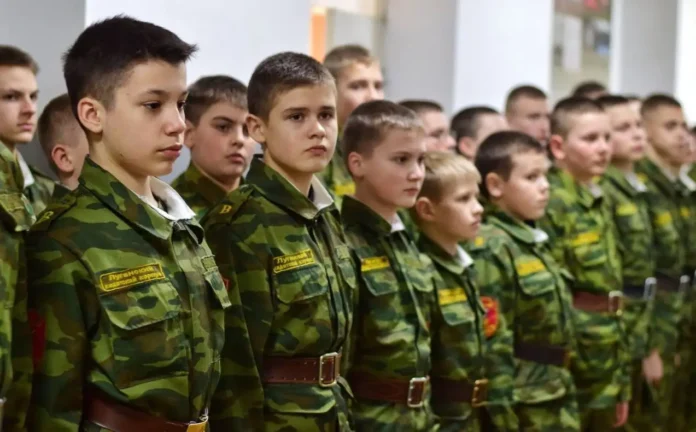

President Volodymyr Zelenskyy alleges that Russia has forcibly transferred Ukrainian children from occupied territories and subjected some to military-style training and ideological programs. International investigators, including UN-backed inquiries and independent researchers, have documented evidence of child transfers and re-education activities, while Russia denies wrongdoing and says the children were evacuated for safety reasons.
KumDi.com
Ukrainian President Volodymyr Zelenskyy has intensified accusations that Russia is not only forcibly transferring Ukrainian children from occupied territories but also subjecting some of them to military-style training and ideological indoctrination. According to Ukrainian authorities, international investigators, and multiple human rights organizations, thousands of Ukrainian children have been removed from their homes or communities since Russia’s full-scale invasion began in 2022.
The allegations have become one of the most serious humanitarian and legal issues arising from the war. International investigators, including United Nations commissions and researchers from Yale University, have documented evidence suggesting that some transferred children have been placed in re-education programs, military-oriented camps, or institutions designed to assimilate them into Russian society. Russia denies wrongdoing and maintains that children were evacuated from conflict zones for their safety.
Table of Contents
What Zelenskyy Is Alleging
In recent public remarks, Zelenskyy alleged that Russia is taking Ukrainian children and preparing some of them for future military participation.
According to reports, Zelenskyy stated that children removed from Ukraine are being subjected to programs intended to erase their Ukrainian identity and prepare them for future service supporting Russian interests. He warned that some boys are allegedly being pushed toward eventual battlefield participation after undergoing long-term ideological conditioning.
This accusation expands beyond earlier claims focused primarily on forced deportation and cultural assimilation. It raises concerns about whether transferred children are being exposed to military education, weapons training, drone-related activities, or nationalist indoctrination.
What Evidence Exists?
1. Investigations Into Child Transfers
Ukraine has documented more than 20,000 cases involving children it says were illegally deported or forcibly transferred to Russia or Russian-controlled territory. Ukrainian officials report that only a small fraction have been successfully returned.
Independent investigators have used:
- Satellite imagery
- Social media analysis
- Government records
- Witness testimony
- Camp location mapping
to track the movement of children from occupied Ukrainian regions into Russian-controlled systems.
Researchers from Yale University’s Humanitarian Research Lab identified hundreds of sites linked to relocation, re-education, and assimilation programs. According to those findings, some facilities included military-themed activities and patriotic training aligned with Russian state narratives.
2. Reports of Military-Oriented Training
Several investigations have reported that certain camps provided military education or weapons-related instruction.
Evidence cited by researchers includes:
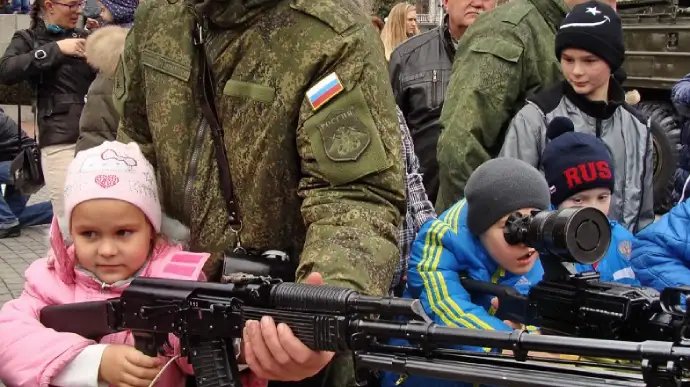
- Firearm familiarization programs
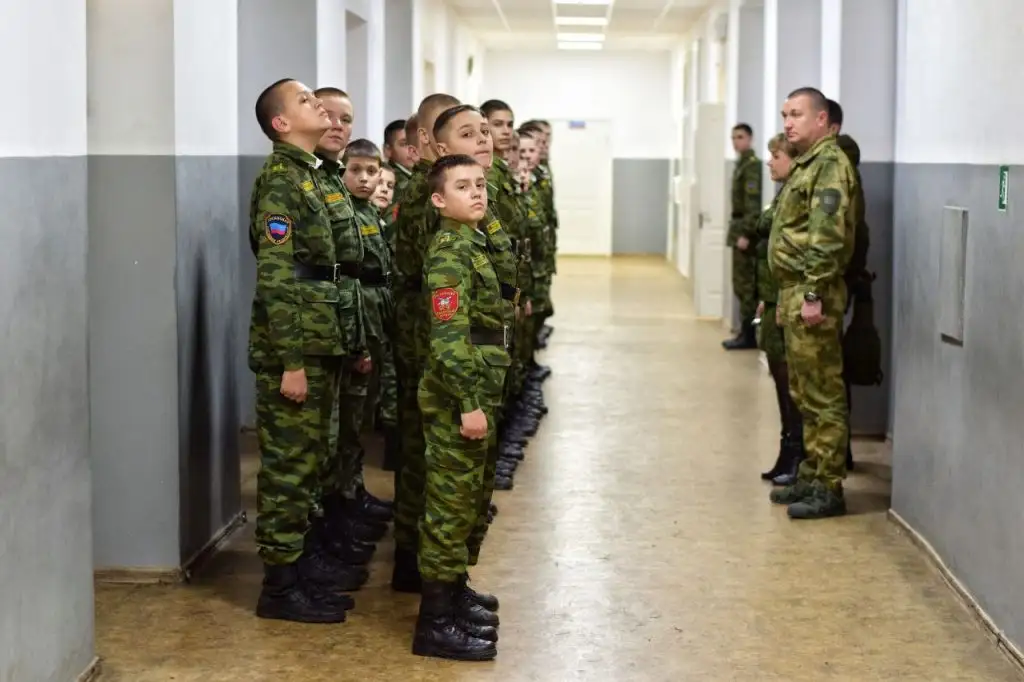
- Military drills
- Nationalist instruction
- Drone-manufacturing activities
- Military-style youth organizations
Some reports describe children being taught Russian military history and participating in activities designed to cultivate loyalty to the Russian state.
While not every transferred child is reported to have undergone such training, investigators argue that the existence of these programs supports concerns about systematic indoctrination.
Why International Law Treats This Seriously
Forced Transfer of Children
Under international humanitarian law, the forcible transfer or deportation of children from occupied territories is prohibited except under limited circumstances involving immediate safety needs.
The:
- Geneva Conventions
- Convention on the Rights of the Child
- Rome Statute of the International Criminal Court (ICC)
all contain protections specifically designed to prevent the removal, assimilation, or exploitation of children during armed conflicts.
International Criminal Court Response
The issue became globally significant when the International Criminal Court issued arrest warrants for Russian President Vladimir Putin and Russia’s children’s rights commissioner Maria Lvova-Belova.
The ICC alleged unlawful deportation and transfer of Ukrainian children from occupied territories. The warrants marked one of the highest-profile international legal actions connected to the war.
UN Findings
In 2026, a United Nations inquiry concluded that Russian authorities had committed war crimes and crimes against humanity involving children.
Investigators cited evidence of:
- Deportation
- Forced transfer
- Enforced disappearance
- Systematic targeting of vulnerable minors
The commission stated that children were among the most severely affected civilian victims of the conflict.
Russia’s Position
Russia rejects allegations that it is abducting Ukrainian children.
Russian officials argue that children were evacuated from dangerous combat zones to protect them from active fighting. Moscow maintains that many transfers were humanitarian measures rather than forced deportations.
Russian authorities have also challenged higher estimates of missing children and disputed findings produced by Western-funded research institutions.
Officials point to ongoing negotiations over the return of specific children and argue that many cases involve complex guardianship questions rather than illegal removals.
However, international investigators and Ukrainian officials contend that large-scale transfers occurred without parental consent and were accompanied by efforts to change children’s national identity, citizenship status, and educational environment.
How Re-Education Programs Allegedly Work
Investigators have identified several recurring stages in the reported system.
Stage 1: Removal
Children may become separated from parents during:
- Military occupation
- Evacuations
- Filtration procedures
- Institutional transfers
Orphans and children in state care appear particularly vulnerable.
Stage 2: Relocation
Children are reportedly moved to camps, foster homes, boarding schools, or adoption programs located within Russia or Russian-controlled territories.
Stage 3: Identity Transformation
Investigators report that some children undergo:
- Russian-language education
- Russian citizenship procedures
- Patriotic instruction
- Historical revisionism
- Cultural assimilation programs
The stated concern is that Ukrainian identity becomes deliberately replaced with Russian national identity.
Stage 4: Military Socialization
In some documented cases, researchers allege children are exposed to:
- Military-themed camps
- Cadet-style programs
- Firearms instruction
- National security education
- Pro-war messaging
These claims form the basis of Zelenskyy’s allegation that some children are ultimately being prepared for future military participation.
Human Impact on Families
Beyond legal debates, the issue remains a deeply personal tragedy for thousands of families.
Reuters documented cases in which parents lost contact with children after Russian occupation forces took control of their communities. In several instances, relatives spent years searching for information regarding the whereabouts of children who had disappeared into institutional systems.
Many returned children reportedly require extensive rehabilitation and psychological support after spending extended periods away from their families and home communities. Ukrainian recovery programs often focus on:
- Trauma treatment
- Identity restoration
- Educational reintegration
- Family reunification
Experts note that prolonged separation can create lasting emotional and developmental consequences, particularly for younger children.
International Efforts to Return Ukrainian Children
Governments and international organizations have increased efforts to locate and recover missing children.
Key initiatives include:
Tracking Programs
Researchers use open-source intelligence, satellite imagery, and digital investigations to identify children’s locations.
Diplomatic Coalitions
International coalitions have formed specifically to facilitate the return of Ukrainian children and coordinate pressure on Russia.
Financial Assistance
The United States announced additional funding in 2026 to support programs focused on identifying, tracking, returning, and rehabilitating Ukrainian children.
Sanctions
The European Union has imposed sanctions against individuals and organizations allegedly involved in the deportation and assimilation of Ukrainian children.
Conclusion
Zelenskyy’s allegation that Russia is abducting Ukrainian children and training them to fight represents one of the most serious accusations emerging from the war in Ukraine. While Russia denies the claims and characterizes child transfers as humanitarian evacuations, investigations conducted by the United Nations, international researchers, human rights organizations, and Ukrainian authorities have documented extensive evidence of deportations, forced transfers, re-education programs, and identity assimilation efforts.
As of 2026, the central questions remain how many children have been transferred, how many can be safely returned, and whether international courts will ultimately determine that these actions constitute war crimes or crimes against humanity. What is already clear is that the fate of thousands of Ukrainian children has become one of the defining humanitarian and legal issues of the conflict, with long-term implications for international law, human rights enforcement, and post-war accountability.
FAQ
Has Russia admitted to abducting Ukrainian children?
No. Russia denies abducting children and says transfers were conducted to protect minors from conflict zones.
How many children are involved?
Ukraine reports more than 20,000 documented cases of deportation or forced transfer. Some independent researchers estimate higher numbers.
Why is the issue considered a potential war crime?
International law generally prohibits the forcible transfer of children from occupied territories. Investigators argue that some transfers violated these protections.
What evidence exists regarding military training?
Researchers have documented facilities where some children reportedly received military-oriented education, weapons familiarization, nationalist instruction, and related activities.




 and then