









YouTube is developing AI tools that allow creators to insert themselves into other people’s videos using generative AI. The technology uses scene analysis, motion tracking, and neural rendering to create realistic video composites. This could transform reaction videos, education, advertising, and entertainment while raising concerns about copyright, consent, and deepfake misuse.
KumDi.com
The future of online video editing is rapidly shifting toward generative AI, and YouTube is now moving closer to a major transformation: allowing creators to use artificial intelligence tools to insert themselves into other people’s videos. This development could fundamentally change collaboration, reaction content, advertising, education, entertainment, and virtual production across the platform.
Rather than relying on traditional green-screen overlays or manual editing, YouTube’s evolving AI ecosystem aims to let creators seamlessly appear inside existing videos using machine learning–generated compositing, synthetic scene understanding, and identity-preserving AI models. The technology is expected to simplify complex editing workflows while also raising serious questions around copyright, authenticity, consent, and misinformation.
As of 2026, YouTube’s broader AI initiatives—supported by Google and its generative AI research teams—reflect a wider industry trend toward AI-assisted media production. The company has already introduced tools such as Dream Screen, AI-generated backgrounds for Shorts, multilingual dubbing, and generative video experimentation. The next phase expands AI from assisting creators to actively embedding them into existing media environments.
Table of Contents
What Does “AI Insertion Into Other People’s Videos” Mean?
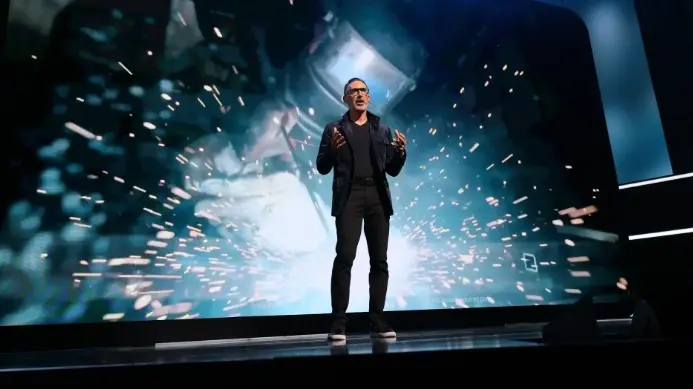
AI insertion technology refers to systems that can digitally place a creator inside another video while preserving realistic lighting, perspective, motion, and interaction with the original footage.
In practical terms, the AI analyzes:
- Camera angles
- Scene depth
- Lighting conditions
- Motion tracking
- Facial positioning
- Audio synchronization
- Human movement patterns
The system then generates a synthetic composite where the creator appears naturally integrated into the original video.
This differs significantly from older editing techniques such as:
- Basic chroma key (green screen)
- Manual masking
- Layer compositing
- Picture-in-picture overlays
Instead, generative AI automates scene blending using deep learning and neural rendering.
Why YouTube Is Investing Heavily in Generative AI
YouTube’s AI expansion is driven by several major market forces:
1. Creator Economy Competition
Platforms including TikTok, Meta, and Adobe are aggressively deploying AI-powered editing tools.
Creators increasingly expect:
- Faster production workflows
- Lower editing costs
- Automated visual effects
- AI-enhanced storytelling
- Personalized content generation
YouTube risks losing creator engagement if it does not offer similar or superior tools.
2. Short-Form Video Production Demands
Short-form content production has accelerated dramatically since the rise of vertical video formats. Many creators now publish:
- Daily Shorts
- Multi-platform clips
- AI-assisted reaction content
- Rapid commentary videos
Traditional editing pipelines are often too slow for modern creator schedules. AI insertion tools could reduce hours of editing into minutes.
3. Monetization and Advertising Opportunities
AI-generated insertion technology could create entirely new advertising models.
Potential commercial applications include:
| Use Case | Example |
|---|---|
| Personalized Ads | A creator appears directly inside a sponsored video |
| Interactive Promotions | AI-generated product demonstrations |
| Localized Marketing | Region-specific creator insertions |
| Educational Content | Teachers inserted into documentary footage |
| Sports Commentary | Analysts embedded into highlight reels |
Brands increasingly want scalable influencer campaigns without requiring large production teams.
How the Technology Likely Works
Although YouTube has not publicly disclosed every technical detail, current generative video systems rely on several established AI components.
Scene Understanding Models
AI first analyzes the original footage to understand:
- Depth
- Motion
- Camera trajectory
- Object relationships
- Human positioning
This creates a virtual 3D interpretation of the video scene.
Identity Preservation AI
The system then models the creator’s:
- Facial structure
- Expressions
- Body movement
- Voice synchronization
- Clothing appearance
This helps maintain visual consistency across generated frames.
Neural Rendering
Advanced rendering systems synthesize realistic composites by matching:
- Shadows
- Reflections
- Motion blur
- Perspective
- Color grading
The goal is to make the inserted creator appear naturally present within the source footage.
Temporal Consistency Systems
One major challenge in AI video generation is frame stability.
Without temporal consistency models, AI-generated subjects may:
- Flicker
- Warp
- Distort
- Lose facial continuity
Modern diffusion-based video systems increasingly solve these problems through sequence-aware generation.
Real-World Creator Use Cases
Reaction Videos
Reaction creators could appear directly inside scenes they are discussing rather than using side-by-side layouts.
This creates:
- More immersive commentary
- Better audience engagement
- Cinematic presentation styles
Educational Content
Teachers and experts may embed themselves into:
- Historical footage
- Scientific animations
- Engineering demonstrations
- Geographic visualizations
For example, a history educator could appear “inside” archival footage while explaining key events.
Sports Analysis
Sports creators could place themselves directly onto a playing field during analysis.
Possible applications include:
- Tactical breakdowns
- Movement demonstrations
- Play reconstruction
- Coaching tutorials
Entertainment and Comedy
Comedy creators may use AI insertion for:
- Sketches
- Parodies
- Meme remixes
- Fictional scenarios
- Virtual collaborations
This could dramatically expand low-budget filmmaking possibilities.
Major Ethical and Legal Concerns
While the technology is powerful, it also introduces significant risks.
Consent and Creator Rights
One central issue is whether creators can insert themselves into copyrighted or personally owned footage without permission.
Key concerns include:
- Unauthorized modification
- Misrepresentation
- Defamation risks
- Identity misuse
- Copyright disputes
YouTube will likely need strict permission frameworks and content policies.
Deepfake and Misinformation Risks
AI insertion technology overlaps with deepfake generation.
Potential abuse scenarios include:
- Fake interviews
- Political misinformation
- Fabricated endorsements
- Manipulated news footage
- Fraudulent impersonation
Because of these risks, many governments are already exploring AI disclosure regulations.
Authenticity and Audience Trust
As synthetic video becomes more realistic, audiences may struggle to distinguish between:
- Real footage
- AI-generated scenes
- Edited composites
- Synthetic performances
This could weaken trust in digital media generally.
YouTube has already begun implementing AI disclosure labels for altered or synthetic content in certain categories.
How This Changes Video Editing Workflows
Traditional video editing often requires:
- Professional software
- Motion tracking expertise
- Visual effects skills
- Large rendering resources
AI-assisted insertion may democratize these capabilities.
Likely Workflow Evolution
Traditional Workflow
- Record footage
- Edit manually
- Apply masks and tracking
- Composite scenes
- Render final output
AI-Assisted Workflow
- Upload footage
- Select insertion scene
- Generate AI composite
- Review output
- Publish
This dramatically lowers production barriers for smaller creators.
Potential Impact on the Creator Economy
Lower Production Costs
Creators may no longer need:
- Full editing teams
- Studio environments
- Expensive VFX software
- Large production budgets
This could increase competition by enabling more independent creators.
Faster Content Cycles
AI automation may accelerate publishing frequency across YouTube.
Potential outcomes include:
- More daily uploads
- Faster trend participation
- Increased Shorts production
- Higher content volume overall
However, greater content volume may also intensify discoverability challenges.
New Job Categories
While some traditional editing roles may decline, new specialties are emerging:
| Emerging Role | Description |
|---|---|
| AI Video Supervisor | Oversees generative workflows |
| Synthetic Media Editor | Refines AI-generated scenes |
| AI Ethics Consultant | Reviews compliance and consent |
| Prompt-Based Video Designer | Creates generation instructions |
| Authenticity Auditor | Verifies manipulated content |
The creator economy is shifting from manual editing toward AI orchestration.
How YouTube May Regulate AI Insertions
YouTube will likely implement layered safeguards.
Possible Platform Controls
Disclosure Labels
Videos using AI-generated insertions may require:
- Visible disclosure notices
- Metadata tagging
- Synthetic content labels
Consent Systems
Creators may need explicit permission before modifying third-party videos.
Copyright Detection
AI-enhanced Content ID systems may detect:
- Unauthorized insertions
- Manipulated copyrighted footage
- Identity misuse
Political Restrictions
Synthetic insertions involving:
- Elections
- Public officials
- News reporting
may face stricter moderation standards.
Comparison With Other AI Video Platforms
Several major companies are already advancing similar technologies.
| Company | AI Video Capability |
|---|---|
| OpenAI | Text-to-video generation |
| Runway | AI compositing and editing |
| Adobe | Generative Fill for video |
| Meta | AI avatar systems |
| TikTok | AI effects and creator tools |
YouTube’s advantage lies in its massive creator ecosystem and integration with monetization infrastructure.
Will Audiences Accept AI-Generated Video Presence?
Audience reaction remains mixed.
Positive Reactions
Supporters argue the technology enables:
- More creativity
- Faster education
- Better storytelling
- Lower creator barriers
- Enhanced accessibility
Negative Reactions
Critics worry about:
- Authenticity erosion
- Manipulative editing
- Fake endorsements
- AI-generated misinformation
- Over-automation of creativity
Trust and transparency may become defining competitive advantages for creators.
The Future of AI-Assisted YouTube Content
The long-term implications extend far beyond simple video overlays.
Future AI creator systems may eventually support:
- Fully synthetic collaborative scenes
- Real-time AI insertion during livestreams
- Interactive audience participation
- Personalized viewer experiences
- Virtual influencer co-creation
- AI-generated multilingual performances
As generative video models improve, the distinction between filmed and synthesized content may continue to blur.
For creators, the key challenge will not simply be adopting AI tools, but using them responsibly while maintaining audience trust.
Final Thoughts
YouTube’s move toward allowing creators to insert themselves into other people’s videos using AI represents a major evolution in digital media production. The technology promises faster workflows, expanded creative possibilities, lower production costs, and new storytelling formats.
At the same time, it introduces serious ethical and legal challenges involving consent, copyright, misinformation, and authenticity.
For creators, brands, educators, and media professionals, the rise of AI-assisted compositing signals a broader transformation of online video creation. Success in this new environment will likely depend on balancing innovation with transparency, technical capability with responsibility, and automation with human creativity.
As AI-generated media becomes increasingly realistic in 2026 and beyond, platforms like YouTube will play a central role in defining the future standards of synthetic content governance and creator trust.
FAQs
What is YouTube’s new AI video insertion feature?
YouTube’s AI video insertion feature allows creators to digitally place themselves inside existing videos using generative AI technology instead of traditional editing methods like green screens.
How does AI insert creators into videos?
The system analyzes lighting, motion, camera angles, and scene depth, then uses AI rendering models to generate a realistic composite where the creator appears naturally inside the footage.
Will YouTube AI tools affect copyright rules?
Yes. AI-generated insertions could raise copyright and consent issues if creators modify or appear inside videos they do not own or have permission to use.
Can AI-generated video insertions be detected?
YouTube is expected to expand AI disclosure labels and detection systems to identify synthetic or AI-altered video content, especially for sensitive topics like news or politics.
Why is YouTube investing in generative AI for creators?
YouTube is expanding AI creator tools to improve editing efficiency, compete with other platforms, lower production costs, and support faster content creation workflows for modern creators.




 and then