








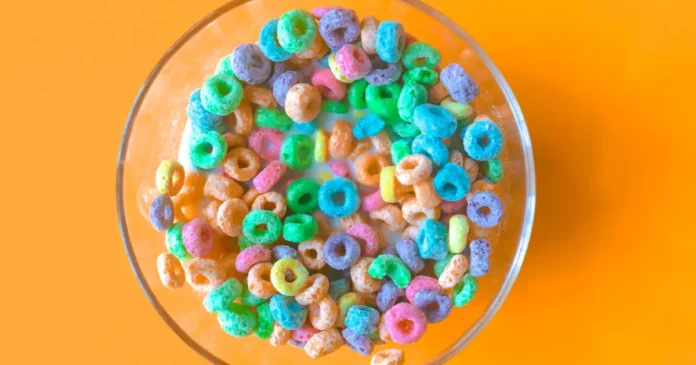

The 3 “toxic” foods a cardiologist would never regularly give his kids are sugar-sweetened beverages, processed meats, and ultra-processed snacks. These foods are linked to obesity, high blood pressure, insulin resistance, and increased cardiovascular risk. Heart specialists recommend replacing them with water, whole foods, fruits, vegetables, and lean protein sources to support long-term heart health.
KumDi.com
Many cardiologists recommend limiting or avoiding:
- Sugar-sweetened drinks (soda, fruit drinks, energy drinks)
- Processed meats (hot dogs, bacon, deli meats, sausages)
- Ultra-processed snack foods (chips, packaged cookies, sugary snacks)
These foods are associated with higher rates of childhood obesity, elevated blood pressure, insulin resistance, poor cholesterol profiles, and increased cardiovascular risk later in life.
Table of Contents

Why Cardiologists Focus on Childhood Eating Habits
Heart disease does not begin at age 50.
Studies have found that early arterial changes linked to cardiovascular disease can begin during childhood. Poor dietary habits established in early life often continue into adulthood, creating a foundation for future health problems.
Children who regularly consume highly processed foods are more likely to develop:
- Excess body weight
- Elevated cholesterol levels
- Prediabetes and insulin resistance
- High blood pressure
- Chronic inflammation
- Metabolic syndrome
Because prevention is significantly more effective than treatment, cardiologists often emphasize healthy eating habits long before symptoms ever appear.
Sugar-Sweetened Beverages: The Worst Drink for Heart Health
When cardiologists discuss foods they avoid for their own families, sugary drinks frequently top the list.
What Counts as a Sugar-Sweetened Beverage?
Common examples include:
- Regular soda
- Sweetened fruit drinks
- Sports drinks
- Energy drinks
- Sweet tea
- Sweetened coffee beverages
- Flavored waters with added sugar
Many parents underestimate how much sugar these products contain.
A single bottle of soda can deliver more added sugar than a child should consume in an entire day.
Why Sugary Drinks Are So Harmful
Rapid Blood Sugar Spikes
Liquid sugar enters the bloodstream quickly, causing sharp increases in blood glucose and insulin levels.
Increased Risk of Obesity
Unlike calories from whole foods, liquid calories do not provide the same feeling of fullness, making overeating more likely.
Higher Triglyceride Levels
Excess sugar consumption is linked to elevated triglycerides, a major cardiovascular risk factor.
Fatty Liver Disease
Research increasingly connects high fructose intake from sweetened beverages with nonalcoholic fatty liver disease in children and adolescents.
What Cardiologists Recommend Instead
Healthier drink options include:
- Water
- Sparkling water without sweeteners
- Milk in moderation
- Unsweetened beverages
- Whole fruit rather than fruit juice
For many families, replacing soda with water is one of the most impactful heart-health changes they can make.
Processed Meats: A Hidden Source of Sodium and Preservatives
Hot dogs, bacon, pepperoni, and deli meats remain popular among children, but many cardiologists significantly limit these foods at home.
What Are Processed Meats?
Processed meats are products that have been preserved through:
- Salting
- Smoking
- Curing
- Fermentation
- Chemical preservatives
Examples include:
- Bacon
- Sausage
- Ham
- Salami
- Pepperoni
- Lunch meats
- Hot dogs
Why Heart Specialists Are Concerned
Excessive Sodium Intake
Many processed meats contain extremely high sodium levels.
Too much sodium can contribute to:
- Elevated blood pressure
- Increased cardiovascular strain
- Long-term vascular damage
Saturated Fat Content
Certain processed meats contain substantial amounts of saturated fat, which may negatively affect cholesterol levels when consumed regularly.
Preservatives and Additives
Processed meats often contain nitrates and nitrites used to preserve freshness and enhance appearance.
Although approved food additives are regulated for safety, many nutrition experts recommend minimizing reliance on heavily processed foods overall.
Better Protein Sources for Children
Cardiologists often encourage:
- Fresh chicken
- Turkey breast
- Fish
- Eggs
- Beans
- Lentils
- Tofu
- Edamame
These foods provide high-quality protein with fewer additives and less sodium.
Ultra-Processed Snacks: Engineered for Overeating
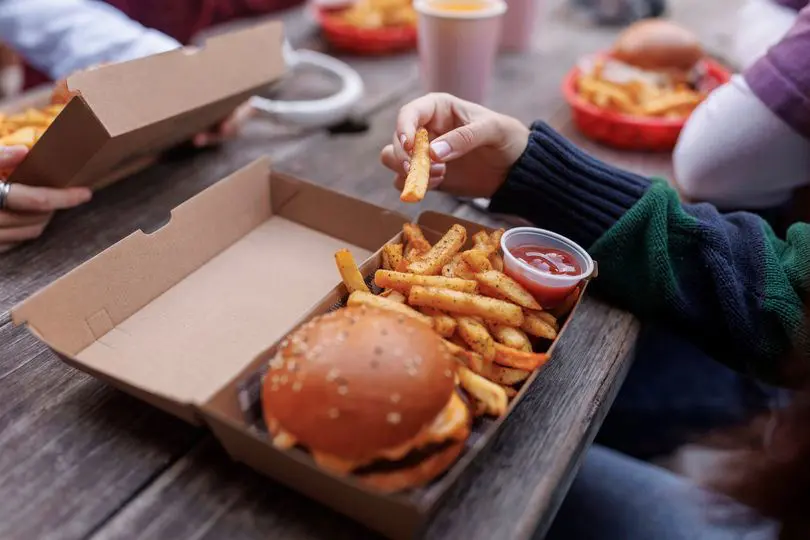
Perhaps the fastest-growing concern among cardiovascular experts is the rise of ultra-processed foods in children’s diets.
What Is an Ultra-Processed Food?
Ultra-processed foods typically contain ingredients rarely used in home cooking, such as:
- Artificial flavors
- Emulsifiers
- Preservatives
- Refined starches
- Added sugars
- Industrial oils
Examples include:
- Potato chips
- Packaged cookies
- Candy bars
- Snack cakes
- Cheese-flavored crackers
- Sugary cereals
Why These Foods Raise Red Flags
High Calorie Density
Many ultra-processed snacks deliver large amounts of calories in small portions.
Low Nutritional Value
They are often low in:
- Fiber
- Vitamins
- Minerals
- Antioxidants
Increased Hunger
Refined carbohydrates can cause rapid blood sugar fluctuations, leading to increased cravings and overeating.
Chronic Inflammation
Studies suggest diets high in ultra-processed foods are associated with higher inflammatory markers, which may contribute to cardiovascular disease.
Healthier Snack Alternatives
Heart-conscious parents often choose:
- Fresh berries
- Apple slices
- Greek yogurt
- Nuts
- Seeds
- Hummus with vegetables
- Air-popped popcorn
- Oat-based snacks
These alternatives provide nutrients that support healthy growth and cardiovascular function.
Are These Foods Really “Toxic”?
The word “toxic” often appears in headlines because it grabs attention, but it is important to understand what cardiologists actually mean.
These foods are not toxic in the way a poison is toxic.
Rather, they become problematic when consumed frequently and in large amounts.
A child who occasionally enjoys pizza, chips, or a soda at a party is unlikely to experience harm from that single meal. The concern arises when these foods dominate the daily diet and replace nutrient-rich alternatives.
Cardiologists focus on dietary patterns, not perfection.
What a Heart-Healthy Child’s Diet Looks Like
A cardiologist-approved eating pattern generally includes:
Fruits and Vegetables
Rich in fiber, vitamins, minerals, and antioxidants.
Whole Grains
Examples include:
- Oats
- Brown rice
- Whole wheat bread
- Quinoa
Lean Proteins
Such as:
- Fish
- Poultry
- Legumes
- Eggs
Healthy Fats
Including:
- Avocados
- Nuts
- Seeds
- Olive oil
Water as the Primary Beverage
Replacing sugary drinks with water can significantly reduce added sugar intake.
Warning Signs a Child May Be Eating Too Many Processed Foods
Parents should pay attention to:
- Frequent sugary drink consumption
- Daily packaged snack intake
- Weight gain beyond expected growth
- Constant cravings for sweets
- Limited fruit and vegetable intake
- Dependence on fast food meals
Early intervention can help establish healthier lifelong habits.
Final Thoughts
When cardiologists discuss the three “toxic” foods they would never regularly give their kids, they are usually referring to sugar-sweetened beverages, processed meats, and ultra-processed snacks. These foods consistently appear in research linking poor childhood nutrition to obesity, high blood pressure, insulin resistance, inflammation, and future cardiovascular disease.
The goal is not perfection or fear-based eating. Instead, it is creating a home environment where whole foods, nutritious meals, and healthy habits become the norm. Small dietary improvements made during childhood can help protect heart health for decades to come, making prevention one of the most powerful tools in modern cardiology.

FAQs
What is the worst food for children’s heart health?
Most cardiologists consider sugar-sweetened beverages among the most harmful because they provide large amounts of added sugar with little nutritional value.
Are hot dogs unhealthy for kids?
Occasional consumption is generally acceptable, but regular intake may contribute to excessive sodium and processed meat consumption.
Is all processed food bad?
No. Some processed foods, such as frozen vegetables, plain yogurt, and canned beans, can be nutritious. The concern is primarily with heavily processed foods high in sugar, sodium, and unhealthy fats.
Can children eat treats occasionally?
Yes. Most heart-health experts support balance rather than complete restriction. The focus should be on overall dietary patterns.




 and then