








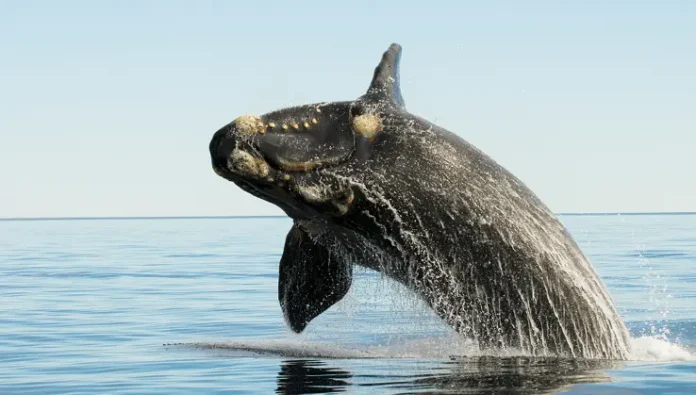
Bowhead whale longevity, exceeding 200 years, is attributed to advanced DNA repair, a slow metabolism, and natural cancer resistance. These exceptional traits make the bowhead whale a key model for longevity research, helping scientists uncover how similar biological processes could slow human ageing.
KumDi.com
Can bowhead whales with their 200-year lifespan help us slow ageing? Scientists believe so. Known for their extraordinary longevity, bowhead whales possess genetic and cellular defenses that prevent DNA damage, fight cancer, and resist age-related decline. Studying their biology may reveal natural solutions to extend human healthspan and slow ageing.
Among all known mammals, the bowhead whale stands alone in its defiance of time. Some individuals are believed to live more than 200 years, surviving multiple generations of humans. This astonishing longevity raises a captivating question: what biological secrets allow these Arctic giants to thrive for centuries—and could they help us slow human ageing?
The bowhead whale’s biology offers more than curiosity; it may represent a blueprint for healthy, resilient ageing. Scientists have been fascinated by how these whales maintain cell integrity, resist cancer, and endure harsh, freezing environments that would overwhelm most animals.
Table of Contents

The Science Behind the Bowhead Whale’s Longevity
The bowhead whale’s lifespan surpasses all other mammals, including humans. Unlike species that show visible deterioration with age, bowheads exhibit a remarkable ability to maintain organ function, heal tissue, and resist age-related decline well into their second century.
1. Exceptional DNA Repair Mechanisms
At the cellular level, the bowhead whale’s longevity seems tied to its highly efficient DNA repair systems. Every day, cells accumulate damage due to stress, toxins, and natural metabolism. Over decades, this leads to mutations and ageing. Bowhead cells, however, have evolved powerful repair enzymes that quickly correct DNA breaks before they cause harm. This helps prevent the accumulation of mutations that typically accelerate ageing in other mammals.
2. Natural Cancer Resistance
Despite having thousands of times more cells than humans—which theoretically increases cancer risk—bowhead whales rarely develop tumors. This natural resistance suggests the existence of anti-cancer genetic adaptations that suppress abnormal cell growth and maintain stable cell cycles. Understanding how their immune and cellular systems monitor cell division could open new possibilities for human cancer prevention.
3. Slow Metabolism and Arctic Adaptation
Living in icy waters, bowhead whales maintain a slow metabolic rate, producing less cellular stress and fewer free radicals—molecules that damage DNA and accelerate ageing. Their thick blubber and cold-adapted physiology protect organs from thermal stress and inflammation. This slow, energy-efficient life strategy may be one reason they age at such a glacial pace.
4. Stable Proteins and Stronger Cellular Structures
Another factor may be protein stability. Proteins in bowhead cells appear resistant to misfolding—a process linked to Alzheimer’s and other human degenerative diseases. Their cell membranes are also exceptionally resilient, supporting long-term organ function.
Lessons From the Bowhead Whale for Human Longevity
Humans have long searched for the key to extending youth and healthspan. Bowhead whales demonstrate that extreme longevity is biologically possible, not just science fiction. Their secrets offer several potential lessons.
1. Prioritize DNA Maintenance
Just as bowheads invest heavily in DNA repair, humans could benefit from strategies that strengthen genomic stability—such as diets rich in antioxidants, minimizing exposure to pollutants, and developing therapies that mimic natural repair processes.
2. Support Natural Cancer Resistance
The whale’s ability to suppress tumors suggests that modulating cell growth pathways could prevent cancer before it begins. In humans, targeting these same biological systems may reduce the risk of malignancies while supporting regenerative health.
3. Embrace Metabolic Balance
A slower metabolism isn’t just about eating less—it’s about optimizing how cells use energy. Humans can learn from the whale’s efficiency by practicing intermittent fasting, reducing processed foods, and maintaining steady body temperature through moderate cold exposure, which has been shown to activate longevity-related genes.
4. Protect Against Chronic Stress and Inflammation
Bowheads live in a calm, cold environment with minimal external stressors. Chronic stress accelerates human ageing by increasing inflammation and cortisol levels. Adopting whale-like calm—through mindfulness, adequate sleep, and emotional regulation—can help humans achieve biological resilience.
The Promise and the Challenge of Translating Whale Biology
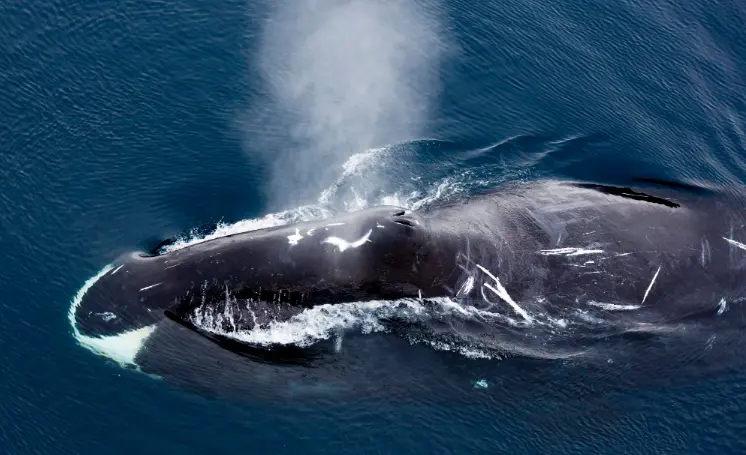
The idea of applying whale biology to humans is both exciting and complex. Our species differ in body structure, environment, and evolution, but the underlying cellular mechanisms are surprisingly universal.
Future research aims to identify the specific genes and proteins responsible for the whale’s extraordinary lifespan. If scientists can replicate these protective pathways in human cells, we could see medical breakthroughs in:
- DNA repair enhancement
- Cancer prevention therapies
- Cellular rejuvenation
- Metabolic optimization for longevity
However, these applications are still theoretical. Human ageing is influenced by a blend of genetics, environment, and lifestyle—and translating multi-century adaptations into short-lived species requires careful ethical and biological study.
Why Longevity Research Matters
Longevity science is not just about living longer; it’s about living better. Ageing is the single greatest risk factor for diseases such as heart disease, cancer, and dementia. By understanding how bowhead whales naturally resist these conditions, researchers may uncover ways to delay their onset in humans.
The goal isn’t immortality—it’s extending the healthy, vibrant years of life. The bowhead whale shows that nature has already solved many of the problems humans face; we just need to learn how to apply them wisely.
Key Takeaways for Readers
- Bowhead whales are the longest-lived mammals, with lifespans exceeding 200 years.
- Their longevity stems from superior DNA repair, low cancer risk, and slow metabolism.
- These mechanisms may hold clues to delaying human ageing.
- Translating whale biology into medicine could lead to breakthroughs in longevity and disease prevention.
- The future of ageing research lies not just in technology, but in learning from nature’s timeless survivors.
Conclusion: The Whale That Defies Time
The bowhead whale’s 200-year lifespan is a living reminder that the boundaries of ageing are not fixed. By unlocking its biological secrets—from DNA repair to cancer resistance—we may one day uncover how to extend not just how long we live, but how well we live.
Nature’s longest-lived mammal is quietly telling us something profound: longevity isn’t just about surviving—it’s about maintaining harmony, repair, and balance. If humans can learn to emulate that wisdom, the dream of ageing gracefully and healthily may become more than a fantasy; it could become our shared future.
FAQs
What makes bowhead whale longevity unique?
Bowhead whale longevity stands out because of its 200-year lifespan, supported by efficient DNA repair and low cancer risk. These adaptations make it a powerful model in anti-ageing research and human longevity studies.
How do bowhead whales slow the ageing process?
Bowhead whales slow ageing through powerful DNA repair mechanisms, stable cell structures, and a slow metabolism. These natural defences against damage and disease help maintain health for centuries, inspiring human anti-ageing research.
Can humans benefit from bowhead whale longevity research?
Yes. Studying bowhead whale longevity helps scientists uncover how DNA repair and metabolic balance can extend human healthspan. This research aims to translate whale biology into human anti-ageing and disease prevention strategies.
What role does DNA repair play in bowhead whale longevity?
DNA repair is central to bowhead whale longevity. Their cells efficiently fix genetic damage, preventing mutation accumulation and ageing-related decline—key insights for human DNA repair and anti-ageing research.
Why are bowhead whales important for anti-ageing science?
Bowhead whales offer real-world evidence that natural longevity is possible. Their 200-year lifespan and resistance to ageing guide scientists toward developing strategies to slow human ageing and enhance healthy lifespan.




 and then