








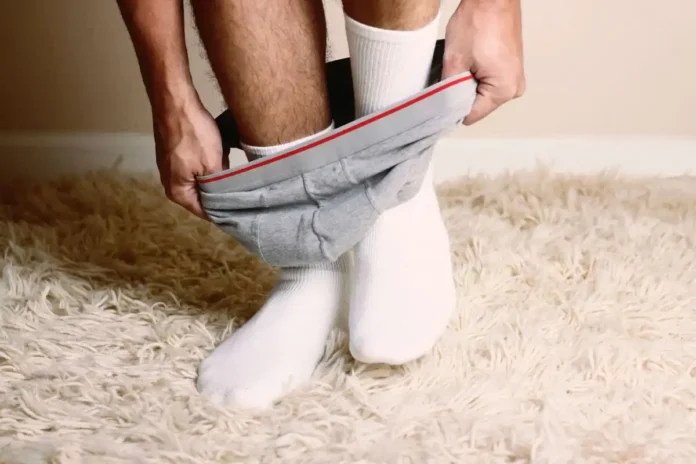
Whether to wear or not wear underwear depends on hygiene, fabric, skin sensitivity, and activity level. Medical evidence shows breathable fabrics reduce moisture and irritation, while going without underwear may improve airflow in certain conditions like recurrent yeast infections. Comfort and moisture control are key factors.
KumDi.com
The question of whether to wear or not wear underwear is more than a comfort debate—it directly affects skin health, hygiene, moisture balance, and infection risk. In 2026, medical guidance focuses less on strict rules and more on breathable fabrics, friction control, and individual risk factors. Understanding how underwear influences airflow, temperature, and microbial growth helps you make an informed, health-conscious choice.
For most healthy adults, wearing underwear is a matter of comfort, hygiene habits, clothing type, and personal preference—not medical necessity. However, in certain situations (exercise, specific infections, skin conditions, or particular fabrics), underwear can reduce irritation, moisture buildup, and infection risk. Conversely, in some cases—such as recurrent yeast infections, tight synthetic garments, or nighttime use—going without underwear may improve ventilation and skin health.
This guide explains when underwear supports health, when it may cause problems, and how to choose wisely, based on dermatology, gynecology, urology, and infectious disease principles as of 2026.
Table of Contents
What Is the Medical Purpose of Underwear?
Underwear serves three primary functions:
- Hygiene barrier – Protects outer clothing from sweat, oils, and bodily discharge.
- Moisture management – Absorbs perspiration and reduces prolonged skin dampness.
- Friction reduction – Minimizes skin-to-fabric rubbing that may cause irritation.
It does not prevent disease by itself. Rather, it influences the microclimate of the groin—temperature, humidity, airflow, and friction—which directly affects skin integrity and microbial growth.
How the Groin Microclimate Affects Health
The genital and perineal areas are:
- Warm
- Naturally moist
- Occluded (especially under tight clothing)
- Rich in hair follicles and sweat glands
These conditions favor the growth of:
- Candida (yeast)
- Dermatophytes (fungi causing “jock itch”)
- Bacteria such as Staphylococcus species
Medical research consistently shows that moisture and occlusion are key drivers of fungal and irritant skin conditions. Clothing choices—including underwear—can either worsen or reduce those risks.
Health Considerations for Women
1. Vaginal Health and Underwear
The vagina maintains a self-regulating microbiome dominated by Lactobacillus species. External clothing affects the vulva, not the internal vagina.
Wearing Underwear May Help:
- Absorb normal discharge
- Reduce friction from rough fabrics (e.g., denim)
- Protect sensitive skin during menstruation
Going Without May Help:
- Reduce moisture retention in recurrent yeast infections
- Improve ventilation in warm climates
- Prevent irritation from tight synthetic materials
Fabric Matters More Than Wearing or Not Wearing
Clinical dermatology guidance supports:
- Cotton underwear for breathability
- Avoiding tight synthetic, non-breathable fabrics for prolonged wear
- Changing underwear daily (or after sweating)
Synthetic lace or polyester can trap heat and moisture, increasing risk of:
- Vulvar dermatitis
- Intertrigo
- Candidiasis (yeast infections)
Evidence-based guidance from gynecologic associations continues to recommend breathable fabrics and avoiding prolonged dampness rather than mandating underwear use itself.
2. Recurrent Yeast Infections
Patients with recurrent vulvovaginal candidiasis often benefit from:
- Sleeping without underwear
- Avoiding tight leggings
- Wearing loose cotton garments
- Promptly changing after workouts
Mechanism: Reduced occlusion decreases fungal proliferation.
This is not a cure, but part of a broader management strategy including antifungal treatment and glycemic control if applicable.
3. Urinary Tract Infections (UTIs)
There is no strong evidence that wearing underwear directly causes UTIs.
However, contributing factors include:
- Prolonged moisture
- Poor hygiene
- Tight, friction-heavy clothing
The key preventive strategies remain:
- Proper wiping technique
- Adequate hydration
- Urinating after intercourse
Underwear choice plays a minor supporting role.
Health Considerations for Men
1. Testicular Temperature and Fertility
The testes are located outside the body to maintain optimal temperature (2–4°C below core body temperature).
Tight Underwear:
- May increase scrotal temperature
- Has been associated in some studies with reduced sperm parameters
Loose boxer-style underwear may:
- Improve ventilation
- Reduce temperature elevation
However, fertility outcomes depend on multiple factors, and underwear alone rarely determines reproductive success.
2. Fungal Infections (Tinea Cruris / “Jock Itch”)
Men who:
- Sweat heavily
- Exercise frequently
- Wear tight synthetic underwear
Have higher risk of fungal infections.
Preventive strategies:
- Moisture-wicking breathable fabrics
- Immediate post-exercise clothing change
- Thorough drying after showering
In these cases, underwear can help if it manages sweat effectively. Poor fabric choice worsens risk.
Dermatologic Perspective: Skin Health
From a clinical dermatology standpoint, underwear is primarily about friction and moisture control.
Common Conditions Influenced by Underwear
| Condition | Risk Increased By | Improved By |
|---|---|---|
| Intertrigo | Tight, damp fabric | Breathable cotton |
| Folliculitis | Friction, sweat retention | Loose fit, hygiene |
| Contact dermatitis | Synthetic dyes/lace | Hypoallergenic fabrics |
| Fungal infections | Heat + moisture | Airflow, dryness |
In many cases, fabric composition matters more than whether underwear is worn.
Exercise, Sweating, and Underwear
During physical activity:
- Sweat production increases significantly.
- Friction intensifies.
- Microbial growth accelerates in moist conditions.
Best Practice for Exercise:
- Moisture-wicking athletic underwear
- Avoid cotton if heavily sweating (cotton retains moisture)
- Shower and change immediately post-workout
Going without underwear during exercise may increase friction from outer clothing seams, leading to chafing.
Sleeping Without Underwear: Is It Healthier?
For individuals without skin conditions, either approach is acceptable.
Potential benefits of sleeping without underwear:
- Reduced nighttime moisture accumulation
- Improved airflow
- Less friction
Especially recommended in:
- Recurrent yeast infections
- Chronic vulvar irritation
- Hyperhidrosis (excess sweating)
This aligns with modern gynecologic and dermatologic advice as of 2026.
Hygiene Considerations
Whether wearing underwear or not:
- Change daily (more often if sweating)
- Wash with gentle, fragrance-free detergent
- Avoid fabric softeners on intimate garments
- Dry thoroughly before wearing
Underwear should not substitute for proper bathing.
Psychological and Comfort Factors
Underwear provides:
- Structural support
- Modesty confidence
- Menstrual protection
- Postpartum comfort
Going without may provide:
- Sense of freedom
- Reduced compression
- Comfort in loose clothing
These are valid personal considerations and not medically inferior choices.
Situational Recommendations
You May Benefit from Wearing Underwear If:
- You exercise frequently
- You experience thigh chafing
- You wear rough outer fabrics
- You need genital support
- You are menstruating
You May Benefit from Going Without If:
- You have recurrent yeast infections
- You have chronic skin irritation
- You sleep in loose garments
- You live in hot, humid climates
Special Populations
Children and Adolescents
Underwear is recommended for hygiene and protection.
Postpartum Individuals
Breathable cotton underwear supports healing and pad use.
Immunocompromised Patients
Moisture control and hygiene are especially important.
Common Myths vs. Evidence
Myth: Not wearing underwear causes infection.
Evidence: Infection risk depends on moisture, hygiene, and fabric—not underwear absence alone.
Myth: Tight underwear causes infertility.
Evidence: Temperature effects are modest; overall fertility is multifactorial.
Myth: Thongs always cause UTIs.
Evidence: No consistent high-quality evidence confirms this.
Practical Fabric Guide (2026 Standards)
Recommended:
- 100% cotton (daily wear)
- Bamboo blends (breathable)
- Moisture-wicking athletic fabrics (exercise)
Use Caution With:
- Polyester (retains heat)
- Nylon lace (may irritate sensitive skin)
- Non-breathable shapewear for prolonged use
Visual Aid Suggestion
A simple diagram comparing:
- Airflow with loose cotton underwear
- Occlusion with tight synthetic underwear
- No underwear with loose clothing
This can help readers understand moisture dynamics.
When to See a Healthcare Professional
Consult a clinician if you experience:
- Persistent itching
- Recurrent infections
- Unexplained discharge
- Painful skin rashes
- Repeated folliculitis
Clothing changes alone cannot treat underlying infections.
The Bottom Line
There is no universal medical rule that everyone must wear underwear—or must avoid it.
Health impact depends on:
- Fabric type
- Fit
- Hygiene practices
- Activity level
- Individual skin and microbiome sensitivity
For most healthy adults, underwear is a personal comfort choice. For those with recurrent infections, irritation, or high sweating, strategic use—or temporary avoidance—can meaningfully improve symptoms.
The key is managing moisture, friction, and airflow.
In modern clinical practice (2026), underwear is viewed as a supportive hygiene tool—not a medical requirement.

FAQs
Is it healthier to wear or not wear underwear daily?
Whether you should wear or not wear underwear daily depends on moisture control and skin sensitivity. Breathable cotton reduces irritation, while going without may benefit those prone to fungal infections. The main underwear health effects relate to airflow, hygiene, and fabric choice rather than the garment itself.
What are the health effects of not wearing underwear?
The underwear health effects of not wearing it can include improved ventilation and reduced moisture buildup. However, friction from outer clothing may increase irritation. For some individuals, especially those with sensitive skin, sleeping without underwear benefits skin recovery overnight.
Does sleeping without underwear improve hygiene?
Yes, sleeping without underwear benefits people who experience excessive sweating or recurrent yeast infections. Improved airflow helps maintain dry skin and reduces microbial overgrowth. The decision to wear or not wear underwear at night should prioritize comfort and moisture balance.
What is the best fabric for underwear hygiene?
The best fabric for underwear hygiene is breathable cotton or moisture-wicking athletic material. These fabrics reduce heat retention and friction. When deciding to wear or not wear underwear, fabric quality has a greater impact on health outcomes than the presence of underwear itself.
Can tight underwear cause infections?
Tight, non-breathable underwear may increase moisture and friction, contributing to fungal irritation. The underwear health effects are largely linked to fabric and fit. If symptoms persist, temporarily choosing not to wear underwear or switching to breathable materials may reduce risk.


 and then