








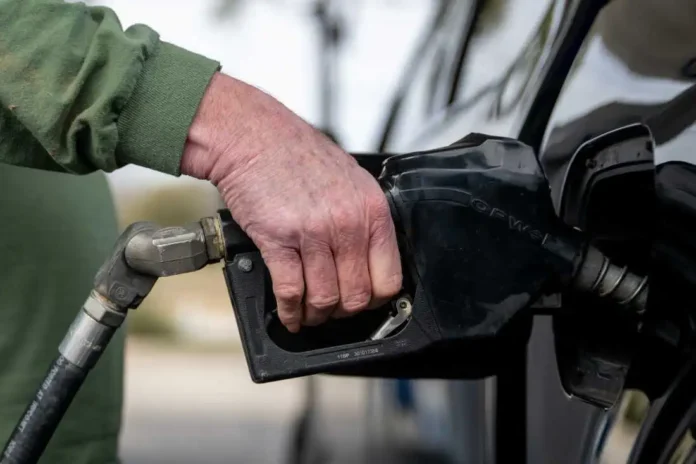

Oil and gas prices could spike to $120–$150 per barrel if the Iran war disrupts Gulf supply, especially through the Strait of Hormuz. In extreme short-term scenarios, prices may briefly exceed $180, but sustained levels above $150 would require prolonged multi-million-barrel supply losses.
KumDi.com
Oil prices could temporarily spike above $120–$150 per barrel if the Iran war leads to major supply disruptions—particularly a closure of the Strait of Hormuz, through which roughly 20% of global oil supply flows. In an extreme but short-lived scenario, prices could briefly exceed $180 per barrel, similar to or beyond the 2008 peak.
Natural gas prices would likely surge most in Europe and Asia, especially LNG-dependent markets, if shipping routes are disrupted or sanctions expand. However, sustained long-term prices above $150 per barrel are unlikely unless global supply losses exceed 3–5 million barrels per day for several months.
The ultimate ceiling depends on three variables:
- Physical supply disruption
- Duration of the conflict
- Global spare production capacity
Table of Contents
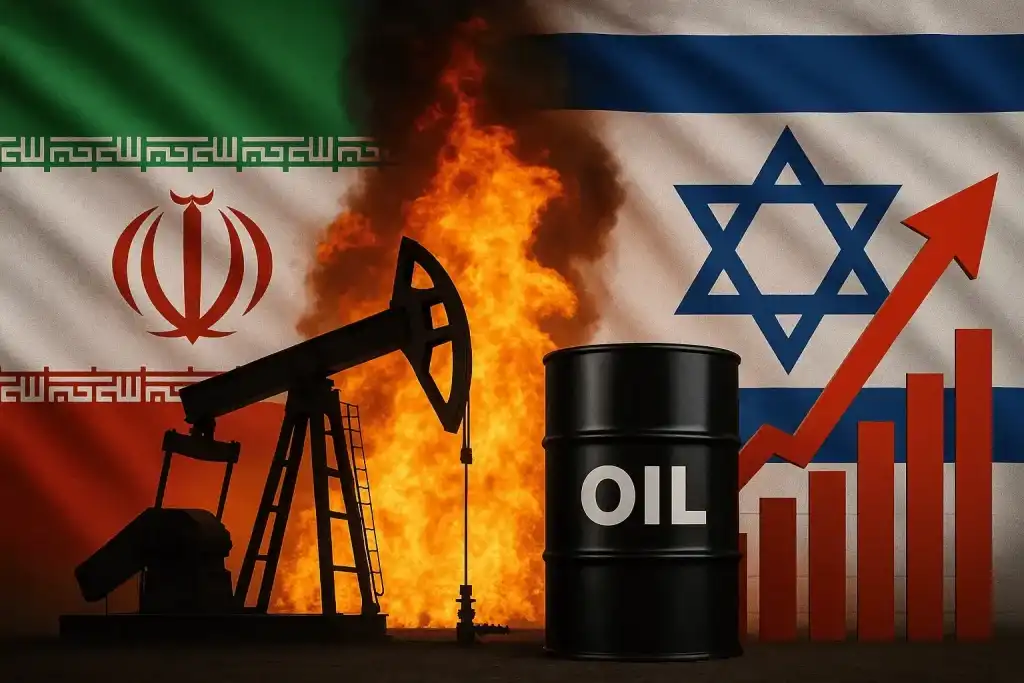
Understanding the Core Mechanism: Why Wars Move Energy Prices
Oil and gas prices are driven by supply expectations, not just actual shortages. Markets react instantly to perceived risk.
When conflict involves a major producer like Iran, three pricing mechanisms activate:
1. Risk Premium
Traders add a geopolitical risk premium to futures contracts. Even before supply is cut, prices rise due to fear.
2. Physical Disruption
If pipelines, export terminals, or shipping lanes are damaged or blocked, supply decreases.
3. Sanctions & Secondary Effects
Sanctions can restrict:
- Oil exports
- Tanker insurance
- Banking transactions
- Refining partnerships
The difference between a $10 spike and a $100 spike lies in whether disruption is psychological or physical.
Why the Strait of Hormuz Matters More Than Any Other Factor
The Strait of Hormuz is the single most critical oil transit chokepoint in the world.
- ~20–21 million barrels/day pass through it
- Major exporters: Iran, Saudi Arabia, UAE, Iraq, Kuwait
- Also a key route for LNG exports from Qatar
If shipping were blocked even partially:
- Immediate oil spike: $130–$160 range
- LNG price surge in Asia and Europe
- Insurance premiums on tankers skyrocket
- Strategic petroleum reserves (SPR) likely released
A full closure lasting more than 30 days could push oil above $150 per barrel, possibly higher depending on spare capacity.
However, complete long-term closure is historically unlikely because:
- It would trigger multinational naval intervention
- It would severely damage Iran’s own export ability
Historical Benchmarks: How High Have Prices Gone Before?
Understanding price ceilings requires historical comparison.
1. 2008 Oil Spike
Oil reached ~$147 per barrel during strong global demand and supply tightness.
2. 1979 Iranian Revolution
Prices more than doubled due to supply loss and panic buying.
3. 2022 Russia–Ukraine War
Brent briefly exceeded $130 per barrel after Russian sanctions.
These events show that:
- Short spikes above $150 are possible.
- Sustained prices above $150 require prolonged structural supply shortages.
What Determines the Maximum Price Ceiling?
1. Scale of Supply Loss
Global oil demand in 2026 is roughly 102–104 million barrels per day.
If the Iran war removes:
| Supply Disruption | Likely Price Impact |
|---|---|
| <1 million bpd | $5–$15 increase |
| 2–3 million bpd | $15–$40 increase |
| 5+ million bpd | $50+ increase |
| Hormuz closure | $80–$120 spike |
Markets react exponentially once supply losses exceed spare capacity.
2. OPEC+ Spare Capacity
The OPEC and its allies hold spare production capacity—mainly in Saudi Arabia and the UAE.
If spare capacity covers disruption:
- Prices stabilize faster.
- Spikes remain temporary.
If spare capacity is already tight:
- Price ceiling rises dramatically.
3. U.S. Shale Response
The U.S. Energy Information Administration data show that U.S. shale producers can ramp up output within 3–6 months, but not instantly.
Short-term spikes are likely.
Long-term sustained spikes are less likely due to shale elasticity.
Natural Gas: A Different but Related Risk
Gas markets are more regional than oil markets.
If conflict expands:
- LNG shipping insurance costs rise.
- European gas benchmarks spike.
- Asian spot LNG prices surge.
Countries highly exposed:
Gas prices could:
- Double in Europe during peak winter demand.
- Rise 40–80% in Asia if LNG routes are disrupted.
Unlike oil, gas cannot be rerouted as easily, making short-term volatility sharper.
Could Oil Reach $200 per Barrel?
Technically yes—but only under extreme conditions:
A sustained price above $180–$200 would require:
- Prolonged closure of the Strait of Hormuz
- Destruction of Gulf production facilities
- No rapid OPEC+ response
- Limited strategic reserve releases
- Strong global demand (no recession)
However, at $200:
- Global demand destruction begins rapidly.
- Central banks tighten policy.
- Recession risk increases.
- Prices often collapse after peak spikes.
In energy economics, very high prices are self-correcting.
Economic Consequences of a Major Spike
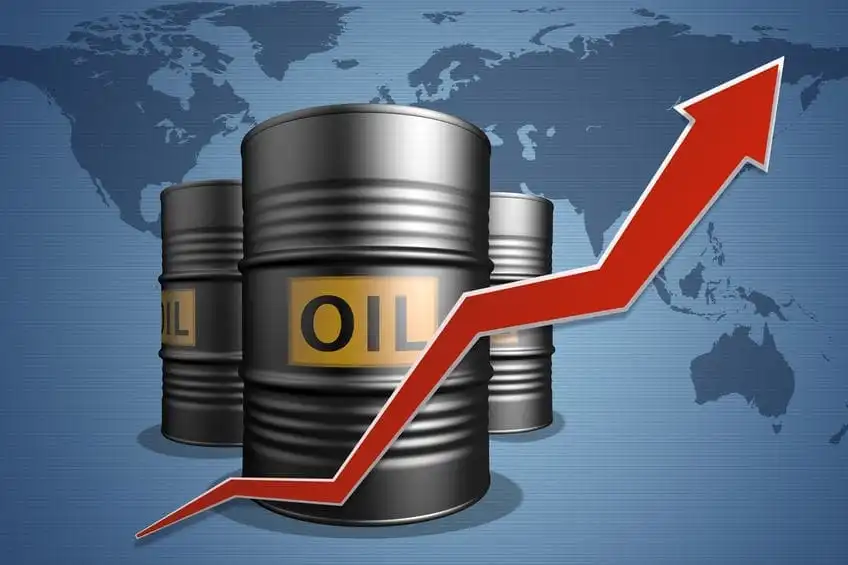
If oil rises above $150:
Inflation
- Transportation costs surge.
- Food prices rise due to fuel inputs.
- Headline inflation jumps globally.
Central Bank Response
- Rate cuts delayed.
- Monetary policy tightens.
- Emerging markets face currency pressure.
Consumer Impact
- Higher gasoline prices.
- Airline ticket increases.
- Supply chain cost inflation.
Short-Term vs Long-Term Price Outlook
Short-Term (0–3 Months)
Most volatile period.
- Risk premium dominant.
- Prices may overshoot fundamentals.
Medium-Term (3–12 Months)
- Supply adjustments occur.
- Strategic reserves released.
- Shale production responds.
Long-Term (1–3 Years)
- Demand adjusts.
- Renewable substitution accelerates.
- Infrastructure rebuilt.
Historically, war-driven spikes are sharp but not permanent.
Scenario Analysis (2026 Outlook)
Scenario 1: Limited Conflict
- No Hormuz disruption
- Iran exports constrained but flowing
- Oil range: $90–$110
Scenario 2: Escalated Regional Conflict
- Partial shipping disruption
- Insurance and sanctions tighten
- Oil range: $120–$150
Scenario 3: Severe Regional War
- Temporary Hormuz blockage
- 4–6 million bpd disrupted
- Oil spike: $150–$180 (short-term)
- Possible extreme: $200 (brief)
Practical Market Signals to Watch
Energy professionals monitor:
- Tanker traffic through Hormuz
- Satellite images of export terminals
- OPEC emergency meetings
- U.S. SPR announcements
- Futures curve structure (contango vs backwardation)
These indicators often predict price direction before retail investors notice changes.
Why Prices Rarely Stay Elevated
High prices trigger:
- Demand destruction
- Increased non-OPEC production
- Political pressure for supply release
- Faster energy transition investment
Energy markets are cyclical and adaptive.
Risk Management Considerations
For businesses:
- Hedge fuel exposure.
- Diversify suppliers.
- Increase inventory buffers.
For governments:
- Coordinate SPR releases.
- Enhance maritime security.
- Accelerate alternative energy deployment.
For investors:
- Expect volatility, not stability.
- Watch physical supply data—not headlines.
Final Expert Assessment
Oil prices could temporarily exceed $150 per barrel if the Iran war significantly disrupts Gulf supply, particularly via the Strait of Hormuz.
However, sustained prices above $150 are unlikely without prolonged multi-million-barrel-per-day supply losses. Structural factors—OPEC spare capacity, U.S. shale response, strategic reserves, and demand destruction—create a natural ceiling.
Natural gas markets would experience sharper regional spikes, especially in LNG-importing economies.
In energy economics, the true risk is not the absolute peak price—but the volatility shock and its macroeconomic ripple effects.
Key Takeaway
- Most likely spike range: $120–$150 per barrel
- Extreme short-term possibility: $180–$200
- Sustained above $150: Unlikely without long-term disruption
- Gas markets: Higher regional volatility than oil
- Economic impact: Inflation surge and recession risk
FAQs
How high can oil and gas prices go because of the Iran war?
Oil and gas prices could rise to $120–$150 per barrel if the Iran war disrupts exports or shipping routes. In a severe Strait of Hormuz disruption impact scenario, short-term spikes above $180 are possible, though sustained prices would require prolonged supply losses.
What role does the Strait of Hormuz disruption impact play in oil price spikes?
The Strait of Hormuz disruption impact is critical because nearly 20% of global oil supply passes through this route. If blocked, the Iran war oil price forecast could shift dramatically upward, pushing global gas prices surge risks higher in Asia and Europe.
Could the Iran war oil price forecast reach $200 per barrel?
While technically possible, the Iran war oil price forecast would only approach $200 if there is a prolonged regional conflict causing multi-million-barrel daily supply losses and limited OPEC spare capacity. Such extreme levels are usually short-lived due to demand destruction.
How would global gas prices surge during the Iran war?
Global gas prices surge primarily due to LNG shipping risks, insurance costs, and supply chain instability. Unlike oil, gas markets are regionally constrained, meaning Europe and Asia could see sharper spikes during an Iran war oil and gas disruption.
How long would elevated oil and gas prices last during the Iran war?
Elevated prices depend on conflict duration. If supply routes remain open, price spikes may last weeks. However, prolonged Strait of Hormuz disruption impact could sustain higher oil and gas prices for months until alternative supply adjusts.




 and then