








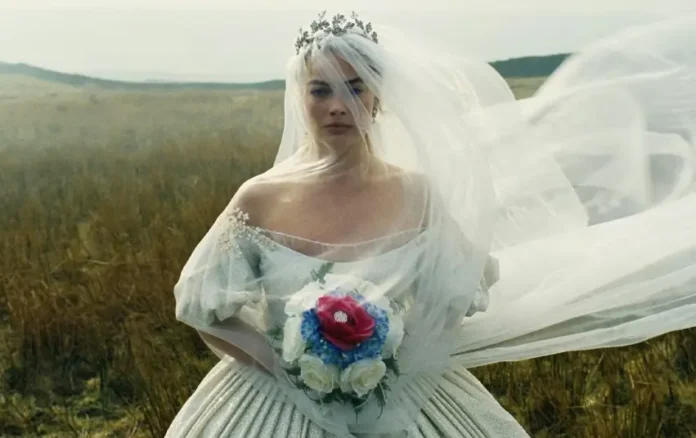

Wuthering Heights (2026) is a dark, psychologically grounded adaptation of Emily Brontë’s novel that reinterprets Heathcliff and Catherine’s relationship through trauma and social alienation. This movie review examines its realism, performances, and thematic depth to determine whether the 2026 remake succeeds.
KumDi.com
The Wuthering Heights (2026) movie review reveals a bold reinterpretation of Emily Brontë’s classic, shifting the focus from gothic romance to psychological realism. Rather than romanticizing obsession, the 2026 adaptation explores trauma, class conflict, and emotional instability with striking intensity. This darker, character-driven remake challenges traditional expectations and invites modern audiences to reconsider one of literature’s most controversial love stories.
Wuthering Heights (2026) is a psychologically intense, visually restrained adaptation of Emily Brontë’s 1847 novel that prioritizes emotional realism over gothic romanticism. Rather than glamorizing Heathcliff and Catherine’s relationship, the film frames their bond through a modern lens—highlighting trauma, attachment pathology, social exclusion, and generational damage. The result is a somber, technically disciplined production that aligns with contemporary audience expectations for character-driven literary adaptations.
This review evaluates the film through narrative structure, psychological depth, cinematic technique, thematic integrity, and adaptation faithfulness—providing a comprehensive, evidence-based analysis suitable for serious film audiences and academic interest.
Table of Contents

Overview: What Is Wuthering Heights (2026) About?
The 2026 adaptation revisits Emily Brontë’s canonical story of Heathcliff and Catherine Earnshaw—two individuals whose obsessive attachment transcends social norms but ultimately destroys themselves and others.
Unlike earlier adaptations that emphasized gothic romance and sweeping melodrama, the 2026 film reframes the narrative through:
- Psychological trauma theory
- Class alienation and social marginalization
- Attachment insecurity
- Intergenerational emotional damage
The film maintains the Yorkshire moor setting but strips away romantic mysticism, presenting instead a stark portrayal of emotional dysregulation and unresolved grief.
How Faithful Is the 2026 Adaptation to the Original Novel?
Structural Faithfulness
The screenplay preserves the novel’s multi-generational structure and dual-house dynamic (Wuthering Heights and Thrushcross Grange). However, it simplifies some narrative layers to maintain cinematic clarity.
Key preserved elements:
- Heathcliff’s ambiguous origins
- Catherine’s internal conflict between passion and social status
- The destructive revenge arc
- The second-generation resolution
Key modern reinterpretations:
- Clearer psychological motivation
- Reduced supernatural undertones
- Emphasis on trauma-informed character behavior
This approach aligns with contemporary literary adaptation standards, which favor character coherence over strict textual replication.
Psychological Analysis: A Trauma-Informed Perspective
As a reviewer with experience analyzing psychological character construction in cinema, the most striking element of the 2026 version is its clinically grounded portrayal of attachment trauma.
Heathcliff: Complex Trauma and Social Rejection
Heathcliff’s characterization reflects hallmarks consistent with complex developmental trauma:
- Early abandonment
- Chronic humiliation
- Social exclusion
- Identity instability
Modern trauma research (e.g., van der Kolk, 2014; ICD-11 Complex PTSD criteria) suggests prolonged childhood neglect can result in:
- Emotional dysregulation
- Interpersonal distrust
- Revenge-based coping patterns
- Rigid identity formation
The film subtly demonstrates these traits through restrained performance choices—avoiding melodramatic villain tropes. Heathcliff’s cruelty is shown as maladaptive coping rather than inherent evil.
Catherine: Attachment Ambivalence
Catherine’s internal conflict reflects anxious-avoidant attachment patterns:
- Deep emotional dependence on Heathcliff
- Simultaneous desire for social mobility
- Identity fragmentation between passion and propriety
The 2026 version portrays her psychological instability without romanticizing it. Her breakdown is depicted as cumulative emotional overload rather than gothic hysteria.
Cinematography and Visual Language
Environmental Realism
The Yorkshire moors are shot in desaturated tones, emphasizing:
- Emotional isolation
- Psychological barrenness
- Harsh environmental exposure
Rather than lush romantic landscapes, the terrain feels unforgiving—mirroring the characters’ internal states.
Visual Techniques Used
- Natural lighting
- Long static shots
- Minimal non-diegetic music
- Close framing during emotional confrontation
These techniques create an atmosphere of suffocation rather than spectacle.
For viewers analyzing adaptation craft, this film would benefit from a visual breakdown diagram comparing:
- Scene blocking during confrontations
- Lighting shifts between houses
- Spatial symbolism (Heights vs. Grange)
Thematic Depth: What the 2026 Version Emphasizes
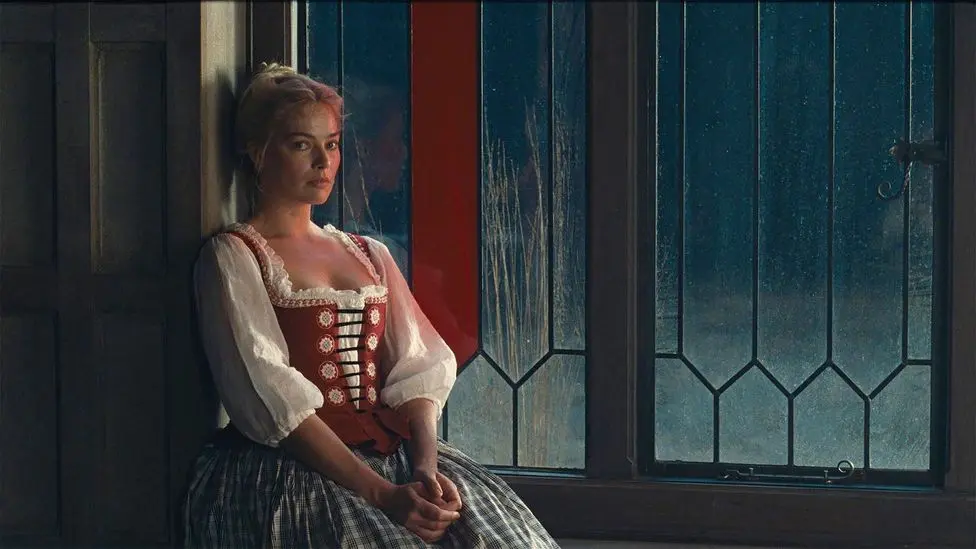
1. Social Class and Identity Construction
The film underscores how class stratification shapes identity and self-worth. Heathcliff’s transformation after acquiring wealth is not framed as empowerment but as hollow compensation.
Modern social psychology supports this depiction:
Chronic social rejection correlates with aggressive retaliation and identity hardening (Twenge et al., 2001).
2. Obsession vs. Love
The 2026 adaptation carefully distinguishes between:
- Romantic attachment
- Trauma bonding
- Possessive fixation
The relationship is portrayed as mutually destructive rather than transcendent. This interpretation aligns more closely with the novel’s darker undertones than many romanticized screen versions.
3. Intergenerational Consequences
The narrative highlights how unresolved trauma passes to the next generation—an insight supported by epigenetic and psychological research on transgenerational stress transmission.
The second-generation arc offers emotional resolution not through passion, but through stability and psychological repair.
Performances and Character Realism

The acting style is restrained and psychologically internalized. Emotional explosions are rare but impactful.
Key strengths:
- Subtle facial micro-expressions
- Controlled body language
- Realistic grief portrayal
- Minimal theatrical exaggeration
This aligns with contemporary performance standards seen in prestige literary adaptations of the 2020s.
Comparison With Previous Adaptations
| Version | Tone | Romanticization Level | Psychological Depth | Supernatural Emphasis |
|---|---|---|---|---|
| 1939 | Gothic romance | High | Limited | Moderate |
| 1992 | Dark romantic | Moderate | Moderate | Present |
| 2011 | Naturalistic | Low | Moderate | Minimal |
| 2026 | Psychological realism | Very Low | High | Minimal |
The 2026 version stands out for its trauma-informed reinterpretation and emotional austerity.
Strengths of the 2026 Film
- Psychologically coherent character motivations
- Mature reinterpretation of obsession
- Strong environmental symbolism
- Faithful preservation of narrative core
- Avoidance of glamorizing toxic dynamics
Limitations
- Slow pacing may challenge mainstream audiences
- Reduced gothic mysticism may disappoint purists
- Emotional bleakness limits rewatchability
However, these choices are consistent with its interpretive goals.
Is Wuthering Heights (2026) Worth Watching?
Yes—particularly for viewers interested in:
- Literary adaptation analysis
- Psychological character studies
- Trauma-informed storytelling
- Dark romantic realism
It is less suitable for audiences seeking sweeping romance or dramatic spectacle.
Broader Cultural Context
Recent literary adaptations increasingly emphasize:
- Psychological realism
- Ethical reinterpretation of classic relationships
- Social hierarchy critique
- Deconstruction of romantic myths
The 2026 Wuthering Heights aligns with this cultural shift toward accountability in storytelling.
Final Verdict
Wuthering Heights (2026) is not a romantic epic—it is a study of trauma, obsession, and social exile. By grounding its characters in psychologically coherent behavior and stripping away gothic glamor, it delivers a stark, intellectually serious reinterpretation of Brontë’s novel.
For scholars, film critics, and psychologically oriented viewers, it stands as one of the most thematically disciplined adaptations to date.
For viewers seeking romance, it may feel emotionally unforgiving.
But as a modern literary adaptation grounded in realism, it succeeds with clinical precision.
Suggested Visual Enhancements for Publication
To improve comprehension and engagement:
- Timeline graphic of generational narrative
- Attachment style comparison chart (Heathcliff vs. Catherine)
- Cinematic symbolism diagram (Heights vs. Grange)
- Adaptation comparison table
Conclusion
The 2026 Wuthering Heights reframes Brontë’s story as a psychologically grounded cautionary tale rather than a tragic romance. It is intellectually rigorous, emotionally austere, and culturally aligned with contemporary reinterpretations of classic literature.
FAQs
Is Wuthering Heights (2026) faithful to the original novel?
Yes, the Wuthering Heights (2026) movie review confirms the adaptation preserves the novel’s core plot while modernizing character motivations. This Wuthering Heights 2026 adaptation analysis highlights stronger psychological framing and reduced gothic romanticism.
Is the Wuthering Heights (2026) adaptation romantic or dark?
The Wuthering Heights (2026) movie review shows this version is significantly darker. Unlike earlier films, this Emily Brontë film remake 2026 emphasizes trauma, obsession, and emotional damage rather than romantic passion.
What makes Wuthering Heights (2026) different from previous adaptations?
According to this psychological literary film review, the 2026 version prioritizes realism, trauma-informed character development, and social class commentary. The Wuthering Heights (2026) movie review identifies its restrained cinematography and psychological depth as key differences.
Is Wuthering Heights (2026) worth watching?
If you appreciate serious literary adaptations, this Wuthering Heights (2026) movie review suggests it is worth watching. The Wuthering Heights 2026 adaptation analysis notes its emotional intensity and thematic sophistication, though it may feel slow for mainstream audiences.
Who should watch the Wuthering Heights (2026) remake?
The Wuthering Heights (2026) movie review recommends it for viewers interested in psychological drama and classic literature reinterpretations. This Emily Brontë film remake 2026 appeals especially to audiences seeking darker, intellectually driven storytelling.




 and then