








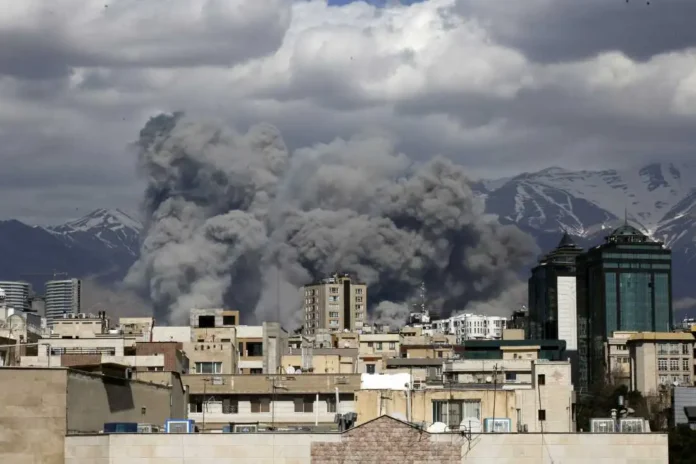

In February 2026, the U.S. and Israel launched coordinated strikes on Iran targeting leadership, missile sites, and military infrastructure. The attacks killed Supreme Leader Ayatollah Khamenei, degraded Iran’s military capabilities, and triggered regional retaliation, marking a major escalation with global geopolitical consequences.
KumDi.com
the Islamic Republic of Iran. The campaign targeted Iranian leadership, missile and military infrastructure, and strategic systems in multiple locations, resulting in the confirmed death of Supreme Leader Ayatollah Ali Khamenei, widespread damage to Iran’s military capabilities, and immediate retaliatory strikes from Iran against U.S. regional assets and Israel. The conflict represents a major escalation in Middle East hostilities with global geopolitical implications.
Table of Contents
1. Overview: What Are the U.S.–Israeli Strikes in Iran?
Defining the Operation
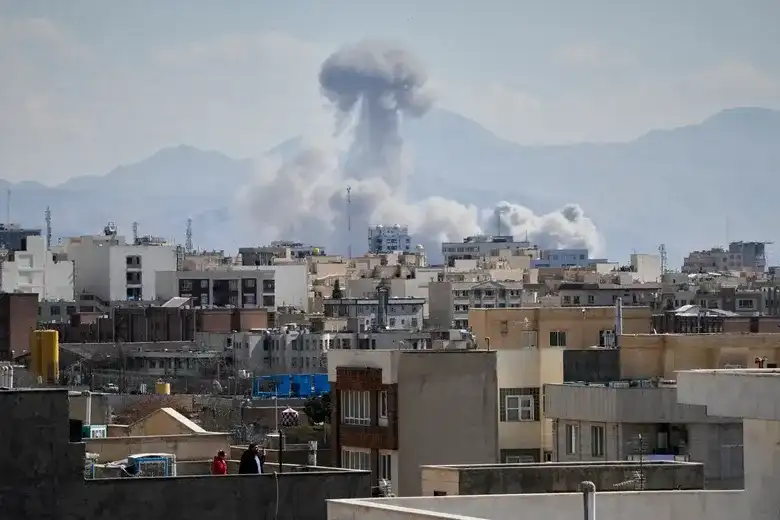
The U.S.–Israeli strikes in Iran refer to a coordinated series of air and missile attacks launched beginning on 28 February 2026 by the Israel Defense Forces (IDF) and elements of the United States armed forces against targets inside Iran. The campaign has been described by some sources as Operation Lion’s Roar (or in media reporting “Operation Epic Fury”).
These strikes were aimed at degrading Iran’s military apparatus, eliminating key leadership figures, and disrupting what the coalition states were imminent security threats — including ballistic missile launch sites and command infrastructure.
Immediate Outcomes
- Death of Iran’s Supreme Leader: Ayatollah Ali Khamenei (86), Iran’s highest authority since 1989, was killed in a targeted strike on Tehran — confirmed by Iran’s own state media.
- Loss of Top Military Commanders: Dozens of senior Iranian military leaders were reportedly killed in coordinated precision strikes.
- Civilian Impact: Incidents such as the reported strike on a school in Minab, which Iran says killed many schoolchildren, underscore the devastating human toll — though independent confirmation continues to be evaluated.
- Widespread Regional Retaliation: Iran launched counterattacks on U.S. bases and allied infrastructure in the Gulf, resulting in U.S. military casualties as well as civilian deaths in Israel and other countries.
2. Why the Strikes Happened: Strategic and Political Context
Long‑Term Tensions
For decades, Iran and Israel have been in direct geopolitical tension. Issues include Iran’s ballistic missile program, nuclear technology ambitions, and support for regional proxy groups. Diplomatic efforts — including nuclear negotiations — had stalled, with both Tel Aviv and Washington growing skeptical of Tehran’s compliance.
Triggering Factors
According to reporting:
- Iran’s Nuclear Program Stalemate: U.S.–Iran diplomatic talks made limited progress earlier in 2026, leading U.S. leaders to judge that Iran remained on a path toward advanced nuclear capabilities.
- Perceived Threats: Israeli officials framed the strikes as pre‑emptive, intended to forestall future missile or nuclear aggression.
- Regional Security Calculus: Both governments assessed that a decisive show of force might degrade Iran’s conventional and asymmetric warfare capabilities.
The decision to escalate to direct attacks reflects complex strategic calculations, including intelligence on Iranian military planning and missile deployment patterns.
3. Mechanisms of the Strikes: How the Operations Were Conducted
Precision Air and Missile Strikes
The U.S. and Israel used a combination of long‑range missiles, air‐launched precision munitions, and intelligence‑guided targeting to hit key military and leadership sites. These types of operations typically rely on:
- Satellite and SIGINT (Signals Intelligence) for locating dynamic targets.
- Stealth and stand‑off platforms such as strategic bombers and missile submarines for long‑range capability.
- Coordinated timing between U.S. and Israeli forces to maximize surprise and minimize defensive reaction.
Attacks on Leadership and Infrastructure
Targets included:
- Military command centers.
- Revolutionary Guard Corps (IRGC) units.
- Missile sites and air defenses.
- Tehran area compounds associated with political and religious leadership.
4. Immediate Consequences and Civilian Impact
Humanitarian and Civilian Toll
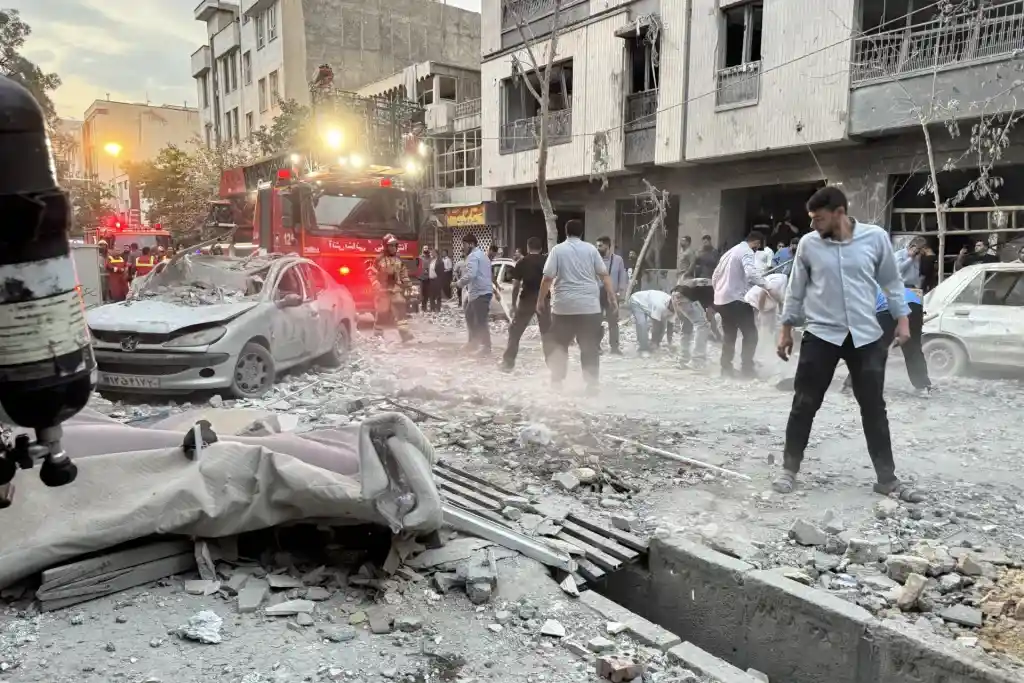
In addition to combatant casualties, hospitals, schools, and populated areas reportedly suffered significant damage. Independent verification of casualty figures is ongoing, but Iranian authorities have reported:
- Hundreds of civilian deaths and injuries across multiple provinces.
- Disruption of utilities and essential infrastructure.
Regional Military Responses
Iran’s retaliation included:
- Missile and drone attacks against U.S. bases in Bahrain, Kuwait, Qatar, UAE, and Jordan.
- Counter‑strikes into Israel’s territory.
Cyber and Information Warfare
Following the strikes, waves of cyber operations targeted Iranian digital infrastructure, highlighting how modern conflicts now include cyber dimensions alongside kinetic warfare.
5. Legal and Geopolitical Implications
International Law and Sovereignty
The offensive raises questions under international law about:
- Sovereignty and the use of force against another UN member state.
- Justifications under self‑defense vs. pre‑emptive action.
- The legality of targeting political leadership as a military objective.
Iran has condemned the attacks as unlawful aggression, while the U.S. and Israel argue they were defensive responses to imminent threats.
Diplomatic Fallout
Major powers have reacted:
- Russia has called the strikes unprovoked and demanded an end to hostilities.
- United Nations discussions emphasize de‑escalation.
- Other nations are carefully positioning themselves amid global economic and security implications.
6. What’s Next: Possible Scenarios
Escalation or Negotiation
Analysts outline several possible trajectories:
- Wider Regional Conflict: Further retaliation could involve allied militias or direct interventions by other states.
- Negotiated Resolution: Some leaders have signaled openness to diplomatic engagement with new Iranian leadership.
- Prolonged Stalemate: Ongoing low‑intensity conflict with periodic flare‑ups.
Global Impact
- Energy Markets: Instability around the Strait of Hormuz could impact global oil supply logistics.
- Security Realignments: Regional alliances and defense postures could shift rapidly.
7. Clarifying Misconceptions
- Not a Limited Air Raid: These strikes were a multi‑domain military campaign with strategic intent, not isolated skirmishes.
- Civilian Safety: While military objectives were primary targets, the human cost has been substantial.
8. Conclusion: Significance of the Strikes
The 2026 U.S.–Israeli strikes on Iran represent one of the most serious military escalations in the region in years — with profound ramifications for international security, geopolitical stability, and the future of U.S.–Middle East relations. As developments continue, authoritative sources and verified reports remain essential for accurate situational awareness.
FAQs
What were the U.S.–Israeli strikes in Iran 2026?
The U.S.–Israeli strikes in Iran 2026 were coordinated air and missile attacks targeting Iranian leadership, missile sites, and military infrastructure. They killed key figures, including Supreme Leader Khamenei, and disrupted Iran’s strategic capabilities. Related areas affected include Iran military conflict and regional escalation.
Why did the U.S. and Israel launch strikes in Iran?
The strikes were motivated by concerns over Iran’s nuclear program, ballistic missile development, and regional proxy threats. Both nations cited preemptive defense and national security, highlighting Middle East escalation and Iran leadership strike as critical reasons.
What were the immediate outcomes of the strikes?
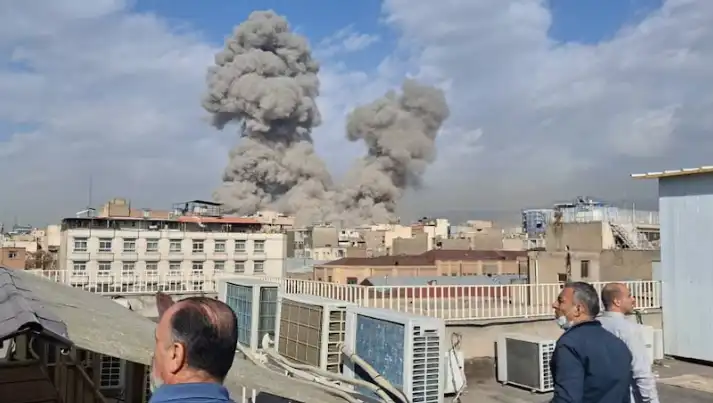
The strikes resulted in the death of Iran’s Supreme Leader, destruction of military sites, and regional retaliation. Casualties affected both military personnel and civilians, reshaping the Iran military conflict landscape and intensifying Middle East escalation.
How did Iran respond to the 2026 strikes?
Iran retaliated with missile and drone attacks on U.S. and allied positions in the Gulf, escalating the Middle East conflict. Cyberattacks and counterstrikes highlighted ongoing tensions following the U.S.–Israeli strikes in Iran 2026.
What are the future implications of these strikes?
Future scenarios include prolonged conflict, regional instability, and potential diplomatic negotiations. The Iran military conflict and Middle East escalation may impact global security, energy markets, and strategic alliances for years.




 and then