








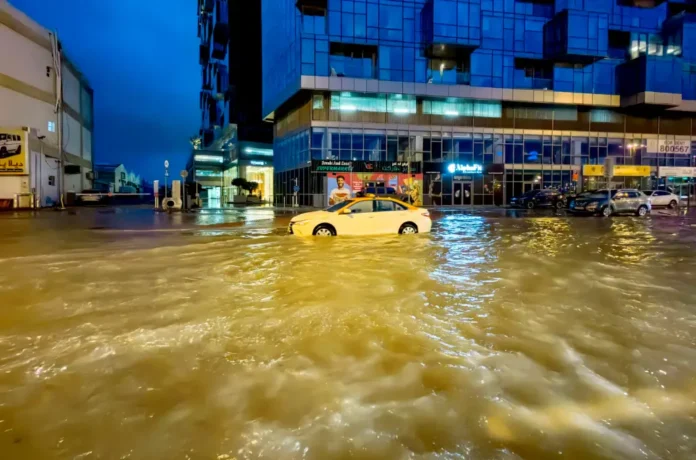
Dubai, known for its arid climate and scarce rainfall, experienced an extraordinary event in April 2024. Torrential downpours caused widespread flooding, disrupting daily life and raising questions about the causes and implications of such extreme weather. In this article, we will delve into the factors behind Dubai’s excessive rain and flooding, dispel misconceptions about cloud seeding, and explore the role of climate change in these unprecedented events.

Understanding Dubai’s Unusual Rainfall Patterns
Dubai, located in the United Arab Emirates (UAE), typically receives an average of just over 3 inches of rainfall per year. However, in April 2024, the region witnessed an astonishing amount of rain in a single storm, equivalent to what they would normally receive in two years. The intensity of this rainfall, totaling over half a foot in some areas, led to severe flooding and significant disruptions.
Historically, the UAE experiences rain primarily during the cooler winter months. The arid climate and lack of regular rainfall have resulted in inadequate drainage infrastructure, making the region susceptible to flooding events when heavy rain occurs. The abnormal amount of rainfall in April overwhelmed the existing systems, exacerbating the flooding and its impact on transportation, infrastructure, and daily activities.
Debunking the Cloud Seeding Misconception
Cloud seeding, a weather modification method, has been a topic of discussion in relation to Dubai’s flooding. This process involves the introduction of silver iodide crystals into clouds to stimulate the formation of ice crystals and promote precipitation. While cloud seeding is conducted in the UAE and other parts of the world, it is important to note that it cannot be solely attributed to the excessive rainfall in Dubai.
The National Center for Meteorology in the UAE confirmed that cloud seeding operations did take place before the heavy rainfall, but experts assert that cloud seeding alone cannot cause such intense and prolonged downpours. Cloud seeding can only enhance existing rainfall by a small margin and has limited geographical reach. The widespread nature of the rain in Dubai suggests that other factors, such as climate change, played a more significant role.
The Impact of Climate Change on Extreme Weather Events
Climate change is a global phenomenon that affects weather patterns and contributes to the occurrence of extreme events. Rising global temperatures can lead to changes in atmospheric conditions, increasing the likelihood of intense storms and heavy rainfall. While it is challenging to attribute any single weather event solely to climate change, scientists agree that these events are becoming more frequent and severe due to long-term climate trends.
The combination of warmer ground temperatures and cooler air temperatures can create the ideal conditions for the formation of intense storm systems. As temperatures continue to rise, the risks of flooding and other extreme weather events will also increase. It is crucial for communities to adapt to these changing conditions and implement appropriate mitigation strategies to minimize the impact on human lives and infrastructure.
The Devastating Effects of Dubai’s Flooding
Dubai’s infrastructure and daily life were severely impacted by the flooding. Schools, government offices, and even the world’s busiest international airport had to shut down due to the excessive water accumulation. Hundreds of passengers were stranded inside the airport, waiting for the resumption of flights. Tragically, the flooding resulted in the loss of lives, with at least 20 people reported dead.
The economic repercussions of the flooding in Dubai are significant. The city relies heavily on tourism and international travel, and the closure of the airport disrupted travel plans for thousands of people. Additionally, the cost of repairing damaged infrastructure and restoring normalcy to the city will be substantial. The flooding serves as a reminder of the importance of climate resilience and adaptation in regions vulnerable to extreme weather events.
Cloud Seeding: How It Works and Its Limitations
Cloud seeding is a technique used in various parts of the world to enhance rainfall. The process involves dispersing silver iodide or other substances into clouds, providing a surface for water vapor to condense and form precipitation. While cloud seeding has been utilized for several decades, its effectiveness remains a topic of debate among scientists.
Studies have shown that cloud seeding can increase rainfall by a small percentage, typically ranging from 5% to 30%. However, the success of cloud seeding depends on various factors, including the atmospheric conditions and the availability of suitable clouds. It is not a guaranteed solution to drought or a means to control the intensity of rainfall in a specific area.
The Role of Cloud Seeding in Dubai’s Flooding
Despite cloud seeding operations taking place prior to the heavy rainfall in Dubai, experts dismiss the notion that it played a significant role in causing the flooding. Cloud seeding can enhance existing rainfall, but it cannot generate the volume and intensity of precipitation observed during the storm. The rains were widespread across the region, suggesting that natural weather patterns and climate dynamics were the primary drivers of the event.
It is crucial to avoid attributing extreme weather events solely to cloud seeding or any other single factor. These events are complex and influenced by a combination of natural variability and long-term climate change. Understanding the broader context of climate dynamics and taking proactive measures to mitigate and adapt to changing weather patterns is essential for building resilience in vulnerable regions.
The Impact of Flooding on Dubai’s Infrastructure
Dubai’s infrastructure, which is designed to withstand the typical arid conditions, faced significant challenges during the flooding. The lack of adequate drainage systems and the sudden influx of water overwhelmed the city’s infrastructure, leading to road closures, power outages, and disruptions in essential services. The flooding also caused damage to buildings, vehicles, and public spaces, requiring extensive repairs and recovery efforts.
The economic consequences of the flooding extend beyond immediate repair costs. The closure of schools, government offices, and the airport disrupts daily activities and hampers economic productivity. Businesses and individuals alike face financial losses due to property damage and interrupted operations. The long-term impact on Dubai’s reputation as a global travel and business hub remains to be seen.
The Need for Climate Resilience and Adaptation
Dubai’s unprecedented flooding serves as a stark reminder of the urgent need for climate resilience and adaptation measures. As extreme weather events become more frequent and intense, it is crucial for cities and communities to invest in infrastructure that can withstand these challenges. Implementing robust drainage systems, improving urban planning, and integrating climate considerations into development projects can help mitigate the impact of future flooding events.
In addition to physical infrastructure, raising awareness and educating the public about climate change and its implications is essential. Encouraging sustainable practices, such as water conservation and responsible land use, can contribute to reducing the vulnerability of communities to extreme weather events. Collaboration between governments, scientists, and communities is crucial for developing comprehensive strategies that address both short-term emergency response and long-term climate adaptation.

Conclusion
Dubai’s extraordinary flooding in April 2024 was a wake-up call for the region and the world. While cloud seeding operations took place prior to the heavy rainfall, it is important to understand that cloud seeding alone cannot be solely responsible for such extreme weather events. Climate change, driven by rising global temperatures, plays a significant role in shaping weather patterns and increasing the frequency and intensity of extreme events.
To build resilience and protect vulnerable communities, it is essential to implement climate adaptation measures, improve infrastructure, and promote sustainable practices. The lessons learned from Dubai’s flooding can guide future decision-making and inspire proactive approaches to mitigate the impact of climate change. By working together, we can create a more resilient and sustainable future for all.




 and then