









Artificial womb technology, also known as ectogenesis, mimics the natural womb to support premature babies outside the body. It could dramatically increase survival rates and reduce complications, but it raises profound ethical, legal, and social questions about how and when the world should use it.
KumDi.com
A groundbreaking innovation in neonatal medicine — artificial womb technology — is challenging the boundaries of life and science. Designed to sustain premature infants outside the human body, this machine replicates the conditions of the womb, offering a chance for survival once thought impossible. Yet, as this frontier approaches clinical reality, the world faces complex ethical and legal decisions about how far we should go to save life outside the womb.
A new kind of machine is emerging in medical science — one that could keep a baby alive outside the womb. Known as an artificial womb or ectogenesis system, this technology mimics the natural environment of pregnancy, maintaining temperature, nutrients, and oxygen exchange through an artificial placenta.
Once an idea confined to science fiction, it is now entering the realm of clinical reality. Scientists have already succeeded in supporting premature animal fetuses inside fluid-filled “biobags,” allowing them to grow and develop normally for weeks. The next step is clear — adapting the same technology for human infants born far too early to survive on their own.
If successful, this innovation could redefine the limits of viability, save countless premature babies, and reshape our understanding of birth itself. But it also opens deep ethical, legal, and social questions that the world is not yet prepared to answer.
Table of Contents
The Science Behind the Machine
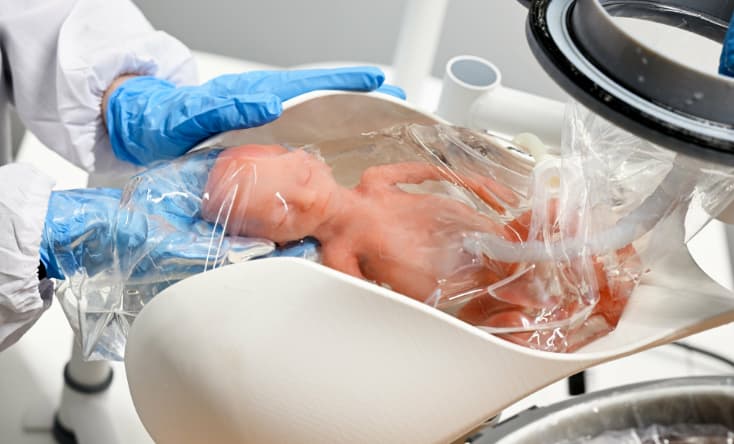
Inside a functioning artificial womb, a premature baby would not be placed in an incubator, but instead suspended in a transparent, sterile bag filled with a warm, amniotic-like fluid. Umbilical catheters would connect the baby’s circulation to an external oxygenator and nutrient exchange system — essentially recreating the functions of the placenta.
The idea is not to grow a full-term baby from conception, but to bridge the gap between the womb and neonatal intensive care. Many premature infants born around 22–24 weeks face overwhelming odds: their lungs, skin, and organs are not yet ready to function in open air. Even advanced incubators and ventilators can cause damage simply by forcing them to breathe too soon.
By recreating the conditions of the womb, artificial wombs could allow natural development to continue for several weeks until the infant reaches a safer gestational age. In theory, this could dramatically reduce rates of death, blindness, cerebral palsy, and chronic lung disease — the most devastating complications of extreme prematurity.
Life-Saving Promise: The Benefits of Ectogenesis
- Lower infant mortality: The primary benefit is survival. Premature babies currently born before 24 weeks rarely live without major disability. Artificial wombs could change that.
- Healthier development: Maintaining fetal conditions protects developing organs from the trauma of early air exposure.
- Reduced lifelong complications: Better lung and brain maturation could mean fewer chronic illnesses and developmental delays.
- Expanded reproductive options: In the future, ectogenesis might also support pregnancies that are medically unsafe for the mother — offering an alternative to life-threatening gestation.
Every medical revolution begins with saving lives, and this one may be no different. Yet it also forces us to consider what it means to be “born,” and when life truly begins in the modern era.
Ethical Dilemmas and Unanswered Questions
While the medical potential is enormous, the ethical implications are equally profound.
1. Redefining Viability
If a baby can survive at 21 weeks — or even earlier — the concept of “viability” in law and medicine must change. This could affect abortion laws, parental rights, and even insurance coverage. Governments and bioethicists will face intense pressure to decide where to draw new lines.
2. Consent in Emergency Situations
Premature labor often happens suddenly. In the chaos of an emergency delivery, how will doctors obtain clear, informed consent to transfer a newborn into an artificial womb? Parents might have only minutes to make a decision with lifelong consequences.
3. Psychological Impact on Families
Parents could struggle with emotional confusion — is their baby “born” yet? How do you bond with a child who floats inside a machine instead of being held? Hospitals will need to provide emotional and psychological support alongside medical care.
4. Equity and Access
If this technology is expensive, it might only be available in advanced hospitals or wealthy nations. The ethical responsibility to make it accessible to all families — not just the privileged — will be a global challenge.
Legal and Social Implications
Artificial wombs will likely disrupt legal definitions of parenthood, custody, and birth. Who holds responsibility during ectogenesis — the hospital, the parents, or the state? What if disagreements arise about ending or continuing treatment?
Laws based on physical pregnancy may no longer apply. For instance, maternity leave, birth certificates, and even nationality may need redefinition. Philosophers and lawmakers will need to navigate these questions with unprecedented care, ensuring human dignity and equality remain central.
In addition, religious and cultural beliefs about life, motherhood, and creation will influence public acceptance. Some may see artificial wombs as a miraculous extension of neonatal care; others may view them as interference with natural processes or divine will.
The Technological Barriers Still Ahead
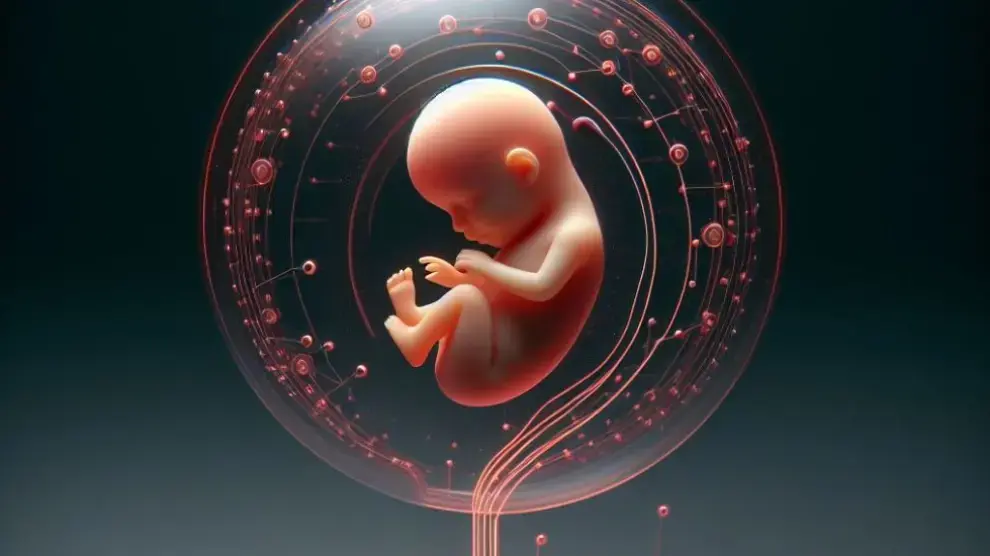
Despite promising prototypes, many technical challenges remain before human use is possible.
- Infection control: Keeping the artificial environment sterile for weeks is difficult.
- Placental replication: The placenta is a complex organ that regulates not only oxygen and nutrients but also hormones and immune signals.
- Monitoring development: Doctors will need new imaging and data systems to track fetal growth inside a sealed, fluid-filled bag.
- Safe transitions: Moving a baby from the artificial womb to normal air-breathing life must be smooth and risk-free.
Scientists emphasize that this technology is meant to complement, not replace, natural pregnancy — at least for now. Full ectogenesis from embryo to baby remains decades away.
Public Perception: Between Wonder and Fear
Public reaction to the idea of mechanical pregnancy is mixed. Some see it as a triumph of medicine and compassion — a way to save fragile lives that nature alone cannot sustain. Others fear a slippery slope toward “designer babies,” commercialized reproduction, or a future where natural birth is devalued.
Science communication will be crucial. Transparent, honest dialogue between researchers, parents, and policymakers can prevent misinformation and moral panic. The story of artificial wombs should be told not as dystopian fiction, but as a careful, human-centered medical evolution.
Policy Recommendations for a Responsible Future
To guide ethical adoption, governments and health systems should prepare now:
- Establish legal frameworks defining the rights of babies in artificial gestation and their parents.
- Set international safety standards for trials, consent procedures, and emergency protocols.
- Ensure equitable access through public funding or insurance coverage for high-risk pregnancies.
- Include diverse voices — ethicists, religious leaders, disability advocates, and parents — in policymaking.
- Educate healthcare professionals about the technology’s limits and psychological implications.
Proactive regulation can help society avoid exploitation or inequality once artificial wombs reach clinical readiness.
Three Possible Futures
- Medical Bridge Only: Artificial wombs become a specialized treatment for extremely premature infants, tightly controlled by hospitals.
- Broad Medical Integration: Technology advances and becomes standard in neonatal care worldwide, reducing infant mortality on a large scale.
- Radical Reproductive Revolution: In the distant future, full ectogenesis transforms reproduction entirely — separating pregnancy from the human body.
Which path humanity chooses will depend not just on science, but on collective moral wisdom.
Conclusion: Technology Meets Humanity
The ability to sustain life outside the womb may be one of the century’s most extraordinary medical breakthroughs. It could save thousands of infants each year and redefine our understanding of the beginning of life.
But with that power comes responsibility. Artificial wombs challenge our ethics, our laws, and even our emotions about what it means to be a parent or a child. The world must not wait until the technology arrives to decide how to use it — those discussions must start now.
If guided by compassion, transparency, and equality, this machine could represent not the end of natural birth, but the next evolution in our capacity to protect life when it is most vulnerable.
FAQs
What is artificial womb technology?
Artificial womb technology, also known as ectogenesis, is a medical system that replicates the natural womb environment to support premature baby survival. It uses an artificial placenta and amniotic fluid to allow babies to continue developing safely outside the mother’s body.
How does an artificial womb keep a baby alive?
An artificial womb circulates oxygen and nutrients through an external placenta-like system while protecting the baby in a sterile fluid environment. This advanced process helps premature infants grow without the stress of air breathing, improving survival and development outcomes.
What are the benefits of artificial womb technology?
Artificial womb technology can save extremely premature babies, reduce lung and brain damage, and prevent long-term disabilities. It represents a major step forward in ectogenesis research and neonatal care, offering hope to families facing early labor.
What ethical concerns surround artificial wombs?
The bioethics of artificial birth include issues of viability, consent, and access. As ectogenesis becomes feasible, society must decide how to regulate its use and protect parental rights while ensuring the technology serves medical—not commercial—purposes.
When could artificial wombs be used in hospitals?
Experts predict early artificial womb technology trials for premature babies within the next decade. Before hospitals adopt it, regulations, ethical frameworks, and safety protocols must be developed to ensure responsible use in human neonatal care.




 and then