










Madonna’s Confessions II – The Film (2026) is a 10-minute visual companion to her Confessions II album. Directed by TORSO, it blends music, dance, fashion, and surreal storytelling to explore identity, freedom, artistic reinvention, and the enduring power of self-expression through a continuous cinematic experience.
KumDi.com
More than two decades after Confessions on a Dance Floor became one of the defining dance-pop albums of the 21st century, Madonna returns with Confessions II – The Film, an ambitious 10-minute visual companion to her new album. Premiering at the Tribeca Festival before its online release, the short film blends music, fashion, surreal imagery, and autobiography into one continuous cinematic experience.
Madonna created Confessions II – The Film to celebrate the transformative power of dance, personal freedom, and artistic reinvention. Inspired by her early years in New York’s club culture, the film reflects on identity, connection, and self-expression while honoring the creative journey that has defined her career. Rather than simply promoting a new album, it serves as a visual statement about resilience, authenticity, and the enduring ability of music to bring people together.
Table of Contents
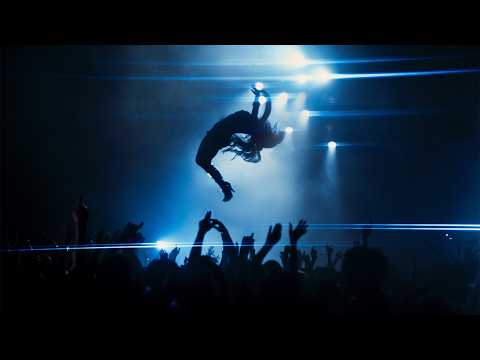
Plot Overview
The film opens with Madonna seated alone in a dimly lit room, quietly declaring:
“I can be whoever I want to be.”
From that moment, viewers enter an increasingly dreamlike journey through six interconnected musical chapters inspired by the opening tracks of Confessions II. Paparazzi transform into masked figures, bathrooms become dance floors, forest scenes dissolve into surreal fantasies, and celebrities appear throughout the narrative without disrupting its emotional core.
Instead of following a conventional storyline, the film operates through symbolism and visual metaphor, inviting audiences to interpret its meaning rather than simply observe events.
A Celebration of Reinvention
Reinvention has always defined Madonna’s career.
Confessions II – The Film doesn’t attempt to recreate her past. Instead, it reflects on the decades of transformation that made her one of popular music’s most influential artists.
The film revisits themes familiar to longtime fans:
- Personal freedom
- Female empowerment
- Public identity
- Media obsession
- Artistic evolution
- Dance as emotional liberation
These ideas are presented not as nostalgia but as living concepts that continue to evolve alongside the artist herself.
Visual Storytelling Over Traditional Narrative
One of the film’s greatest strengths is its refusal to explain itself.
Instead of linear storytelling, each musical sequence introduces its own visual language.
Some moments feel like fashion editorials.
Others resemble experimental art installations.
Several scenes embrace pure surrealism, shifting between fantasy and reality without warning.
This fragmented structure mirrors the album’s emotional landscape while rewarding repeat viewings.
Dance as a Sacred Space
The dance floor has always occupied a central place in Madonna’s artistic identity.
Here, dancing represents far more than nightlife.
It becomes:
- Community
- Escape
- Resistance
- Self-expression
- Transformation
Throughout the film, movement connects strangers, artists, and generations, suggesting that dance remains one of humanity’s most universal languages.
Celebrity Cameos That Support the Story

Rather than distracting from the film, its numerous guest appearances reinforce Madonna’s legacy and influence.
Featured performers include:
- Julia Garner
- Sabrina Carpenter
- Feid
- Benedict Cumberbatch
- Kate Moss
- Arca
- Shygirl
Each appearance feels connected to Madonna’s ongoing influence across music, fashion, cinema, and contemporary culture rather than existing merely for spectacle.
The Emotional Core
Behind the extravagant visuals lies a surprisingly intimate film.
Rather than defending her legacy, Madonna reflects upon it.
The closing moments, featuring her daughter Lourdes Leon, shift the film’s perspective from celebrity to family.
The final scene suggests that legacy is measured less by public attention than by the relationships that endure beyond fame.
Themes Explored
Identity
The film embraces the idea that identity is fluid rather than fixed.
Legacy
Instead of celebrating past achievements, Madonna explores how influence continues through younger generations.
Fame
Masked photographers symbolize decades of public scrutiny and media fascination.
Dance
Dance serves as both artistic expression and emotional healing throughout the film.
Direction and Production
Directed by the visual collective TORSO, the film favors cinematic composition over traditional performance footage. Rich color palettes, elaborate choreography, and seamless transitions create an immersive audiovisual experience that feels closer to experimental cinema than a standard promotional project.
Final Verdict
Rating: ★★★★★ (5/5)
Confessions II – The Film is far more than an album companion.
It is a visually ambitious meditation on identity, reinvention, and artistic endurance. While its surreal style may not appeal to viewers seeking a conventional narrative, those willing to embrace symbolism and visual storytelling will discover one of Madonna’s most compelling creative works in years.
Confident, imaginative, and unapologetically personal, the film demonstrates that Madonna remains an artist who continues to challenge expectations while redefining what a music film can be.
FAQs
What is Confessions II – The Film?
Confessions II – The Film is a 10-minute visual companion to Madonna’s Confessions II album, combining six interconnected musical chapters into a single cinematic experience.
Who directed the film?
The film was directed by the visual collective TORSO and produced as an artistic companion to Madonna’s new album.
Is it a movie or a music video?
It is best described as a music short film or visual album, presenting one continuous narrative rather than separate music videos.
What themes does the film explore?
The film explores identity, freedom, fame, aging, artistic legacy, resilience, and the transformative power of dance through surreal visual storytelling.




 and then