








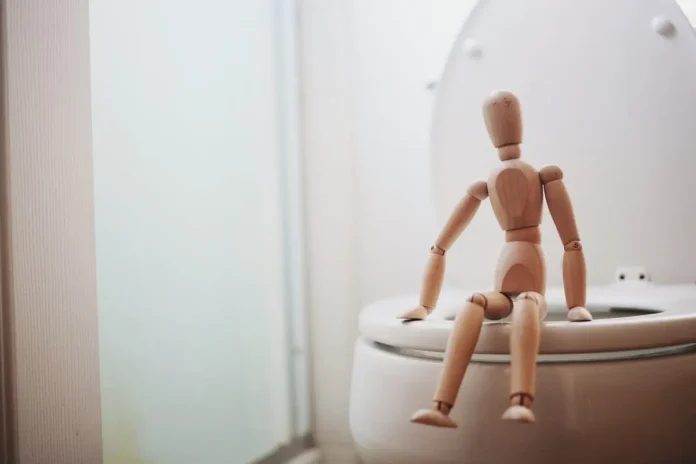

How long should you spend in the bathroom when pooping?
KumDi.com
Most healthcare experts recommend spending 5 to 10 minutes on the toilet for a bowel movement. If nothing happens within about 10 minutes, it’s best to get up and try again later instead of straining. Sitting on the toilet for long periods can increase pressure on the rectal veins, raising the risk of hemorrhoids and other bowel problems. A healthy bowel movement should be comfortable, require minimal straining, and finish within a few minutes.
Most digestive health experts recommend spending no more than 5 to 10 minutes on the toilet during a bowel movement.
If you’re regularly sitting for 15, 20, or even 30 minutes, you’re more likely waiting for your body rather than responding to its natural urge. Prolonged toilet sitting can increase pressure on the rectum and anus, contributing to problems such as hemorrhoids, pelvic floor dysfunction, and difficulty emptying the bowels naturally.
A healthy bowel movement should generally occur without excessive straining, prolonged waiting, or pain. Instead of forcing a bowel movement, it’s usually better to leave the bathroom and try again later when the urge returns.
Table of Contents

Quick Answer
| Question | Expert Answer |
|---|---|
| Ideal toilet time | 5–10 minutes |
| Maximum recommended | Around 10 minutes |
| If nothing happens after 10 minutes | Get up and try again later |
| Normal frequency | Three times daily to three times weekly |
| Healthy bowel movement | Easy, painless, minimal straining |
Why You Shouldn’t Sit on the Toilet Too Long
Many people unknowingly turn the bathroom into a reading room or social media break. However, modern research suggests this habit may negatively affect anorectal health.
When sitting on a toilet seat, the buttocks are unsupported while the rectum hangs slightly downward. Gravity continuously increases pressure on the veins surrounding the anus.
The longer you remain seated, the greater the pressure becomes.
Potential consequences include:
- Hemorrhoids
- Anal swelling
- Rectal vein enlargement
- Increased straining
- Pelvic floor muscle dysfunction
- Difficulty completing bowel movements naturally
Using a smartphone often causes people to lose track of time, turning a 5-minute bathroom visit into a 20-minute session without realizing it.
What Happens During a Normal Bowel Movement?
A healthy bowel movement follows a coordinated process involving the brain, nerves, colon, rectum, and pelvic floor muscles.
Step 1: Stool Reaches the Rectum
As stool moves through the colon, water is absorbed until the stool reaches the rectum.
Stretch receptors detect the stool’s arrival.
Step 2: Your Brain Receives the Signal
The nervous system creates the sensation that you need to use the bathroom.
Ignoring this urge repeatedly can make bowel movements more difficult over time.
Step 3: Muscles Relax
The pelvic floor muscles and anal sphincter relax while abdominal muscles gently assist in pushing stool out.
Step 4: Complete Emptying
A healthy bowel movement usually finishes within several minutes without excessive pushing.
Why Does It Sometimes Take So Long?
Several factors may prolong bowel movements.
1. Constipation
The most common reason.
Possible causes include:
- Low fiber intake
- Dehydration
- Lack of physical activity
- Certain medications
- Pregnancy
- Aging
- Neurological disorders
Hard stools require more effort to pass.
2. Ignoring the Urge
Waiting too long allows the colon to absorb additional water from stool.
The stool becomes:
- Harder
- Larger
- More difficult to pass
3. Smartphone Distraction
Many people remain seated after the bowel movement has already finished.
This unnecessarily prolongs pressure on rectal tissues.
4. Pelvic Floor Dysfunction
Sometimes the muscles that should relax during defecation instead tighten.
This condition is called dyssynergic defecation and often requires pelvic floor therapy.
5. Chronic Constipation Disorders
Conditions such as:
- Irritable bowel syndrome with constipation (IBS-C)
- Slow-transit constipation
- Functional constipation
can all lengthen toilet time.
Is Straining Dangerous?
Occasional mild straining is common.
Frequent or forceful straining is not.
Repeated excessive straining increases pressure inside the abdomen and rectum.
Potential complications include:
- Hemorrhoids
- Anal fissures
- Rectal prolapse
- Pelvic organ prolapse (particularly in women)
- Worsening constipation
People with cardiovascular disease are sometimes advised to avoid severe straining because it can temporarily affect blood pressure and heart rate through the Valsalva maneuver.
How Long Is Too Long?
Here is a practical guideline.
| Time | Interpretation |
|---|---|
| 1–5 minutes | Ideal |
| 5–10 minutes | Generally acceptable |
| 10–15 minutes | Consider lifestyle changes |
| Over 15 minutes regularly | May indicate constipation or poor bowel habits |
| Over 30 minutes | Medical evaluation recommended if frequent |
Healthy Bathroom Habits
Improving bowel habits often reduces toilet time naturally.
Go When You Feel the Urge
Ignoring bowel signals can worsen constipation.
Your body naturally coordinates bowel movements after meals, especially breakfast.
Eat Enough Fiber
Adults generally benefit from 25–38 grams of dietary fiber daily, depending on age and sex.
Good sources include:
- Fruits
- Vegetables
- Whole grains
- Beans
- Lentils
- Oats
- Chia seeds
Increase fiber gradually while drinking adequate fluids.
Stay Hydrated
Water helps soften stool.
People who become dehydrated often notice harder bowel movements.
Exercise Regularly
Walking, cycling, swimming, and other physical activities stimulate normal intestinal movement.
Even 20–30 minutes of daily exercise can improve bowel regularity.
Avoid Phone Use
Consider the bathroom a functional space rather than an entertainment area.
Leaving your phone outside may help reduce unnecessary sitting time.
Try Proper Toilet Positioning
Elevating your feet on a small stool (approximately 6–8 inches or 15–20 cm high) can improve the anorectal angle, making bowel movements easier for some people.
This mimics a more natural squatting posture.
When Should You See a Doctor?
Occasional constipation is common.
However, seek medical evaluation if you experience:
- Blood in the stool
- Black or tarry stools
- Unexplained weight loss
- Persistent constipation lasting several weeks
- Severe abdominal pain
- Pencil-thin stools that are new or persistent
- Feeling unable to completely empty the bowels
- Frequent toilet sessions lasting over 15–20 minutes despite lifestyle improvements
- Family history of colorectal cancer combined with new bowel changes
Early evaluation can identify treatable conditions such as hemorrhoids, anal fissures, inflammatory bowel disease, colorectal polyps, or colorectal cancer.
FAQs

Is it normal to poop for 20 minutes?
Not usually. If you consistently need 20 minutes or longer, you may have constipation, poor bathroom habits, or pelvic floor dysfunction. It’s generally better to avoid sitting longer than 10 minutes and seek medical advice if the problem persists.
Should I push harder if nothing comes out?
No. Forceful straining increases the risk of hemorrhoids and anal fissures. If no bowel movement occurs after about 10 minutes, leave the bathroom and try again later when you feel the urge.
Does reading or using a phone on the toilet cause hemorrhoids?
The device itself does not cause hemorrhoids. However, it often leads to prolonged sitting, which increases pressure on the veins around the rectum and may contribute to hemorrhoid development.
How often should healthy adults poop?
Normal bowel frequency ranges from three bowel movements per day to three per week, provided stools are easy to pass and there is no discomfort.
Can sitting too long damage the pelvic floor?
Prolonged sitting alone is unlikely to directly damage the pelvic floor, but chronic straining and poor bowel habits can contribute to pelvic floor dysfunction over time.
Key Takeaways
Spending 5 to 10 minutes on the toilet is considered healthy for most adults. Longer sessions often reflect constipation, delayed response to natural bowel urges, or distractions such as smartphone use rather than a normal digestive process. Avoid excessive straining, maintain a high-fiber diet, stay hydrated, exercise regularly, and respond promptly to the urge to have a bowel movement. If you frequently spend more than 15 minutes on the toilet or experience symptoms such as bleeding, pain, or persistent constipation, consult a healthcare professional for evaluation.
References
- American Gastroenterological Association (AGA). Clinical guidance on constipation and digestive health.
- National Institute of Diabetes and Digestive and Kidney Diseases (NIDDK). Constipation: Symptoms, Causes, and Treatment.
- American Society of Colon and Rectal Surgeons (ASCRS). Clinical Practice Guidelines for Hemorrhoids.
- World Gastroenterology Organisation (WGO). Global Guidelines on Constipation.
- Rome Foundation. Rome IV Diagnostic Criteria for Functional Gastrointestinal Disorders.




 and then