








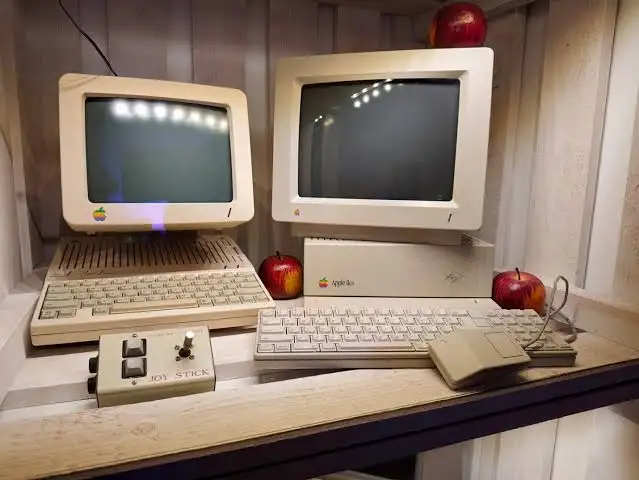

Vintage computer collecting is growing rapidly because the AI era has made modern technology more automated and less transparent. Classic computers offer a hands-on, repairable, and historically important computing experience, allowing collectors to understand hardware, software, and digital history in ways that modern AI-driven devices rarely provide.
KumDi.com
Vintage computer collecting is growing because AI has made modern computing more abstract and automated, while older computers provide a tangible, understandable, and historically significant computing experience. Collectors value their educational, engineering, cultural, and preservation importance.
- AI has made computing more automated and less visible.
- Vintage computers are understandable, repairable, and historically significant.
- Collectors preserve hardware, software, manuals, and digital culture.
- Working original machines are becoming increasingly scarce.
- Many younger collectors are entering the hobby for learning and experimentation.
Table of Contents
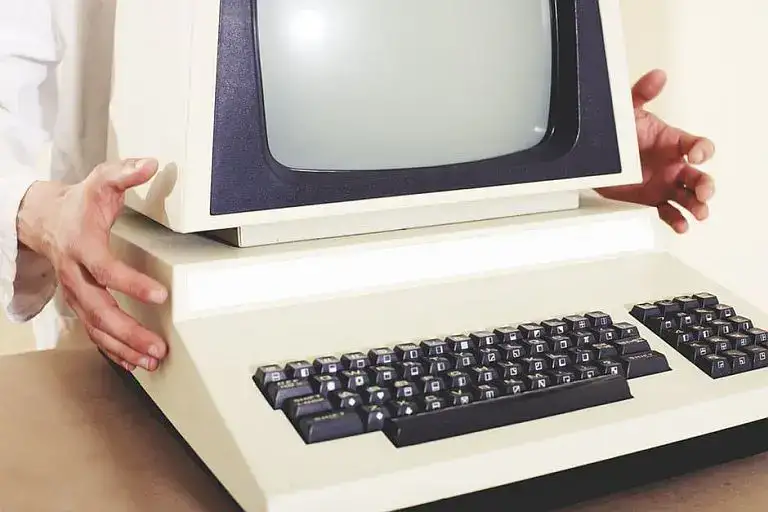
Why AI is increasing interest in vintage computers
Modern computing has become remarkably powerful, but it has also become less transparent. Most users interact with smartphones, cloud services, and AI systems without understanding how the underlying hardware or software functions.
Vintage computers create a very different relationship with technology.
| Modern AI-era computing | Vintage computing |
|---|---|
| Cloud-based | Local and self-contained |
| Highly automated | Direct user control |
| Closed ecosystems | Often repairable and moddable |
| Invisible infrastructure | Visible hardware and software interaction |
| AI-assisted workflows | Manual programming and configuration |
For many collectors, older computers restore a sense of agency and understanding that feels increasingly absent from contemporary technology.
The educational value of old computers
One of the strongest drivers of the hobby is education. Vintage computers make fundamental computing concepts easier to understand.
On machines such as the Commodore 64, Apple II, Atari 800, IBM PC, Macintosh 128K, and early UNIX workstations, users can directly observe:
- Memory limitations
- CPU performance constraints
- Operating system behavior
- File systems
- Programming languages
- Hardware interfaces
- Graphics and sound generation
These systems demonstrate computing principles that remain relevant today, including resource management, optimization, software architecture, and human-computer interaction.
Universities, museums, and computer history organizations increasingly use vintage systems to teach the foundations of computing.
Why younger collectors are joining the hobby
Contrary to popular assumptions, the vintage computer market is not driven only by people who owned these machines decades ago.
A growing number of collectors are in their 20s and 30s.
Their motivations often include:
- Learning low-level programming
- Exploring retro game development
- Understanding computer architecture
- Digital preservation
- Electronics repair
- Open-source hardware experimentation
- Escaping constant online connectivity
For these collectors, vintage computing resembles the resurgence of film photography, vinyl records, mechanical watches, and analog synthesizers: older technology provides a slower, more intentional experience.
The machines attracting the most attention
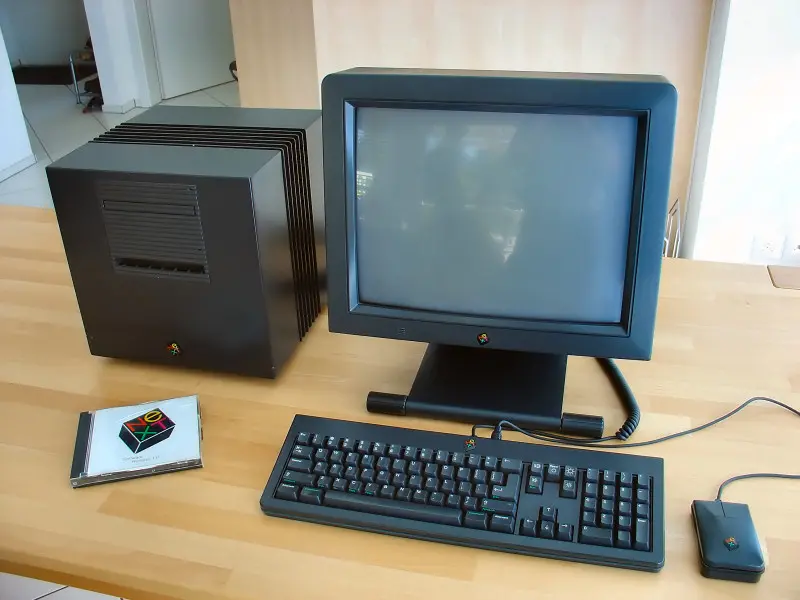
Certain systems have become especially desirable because of their historical importance, rarity, or technical innovation.
Highly collected vintage computers
Apple II
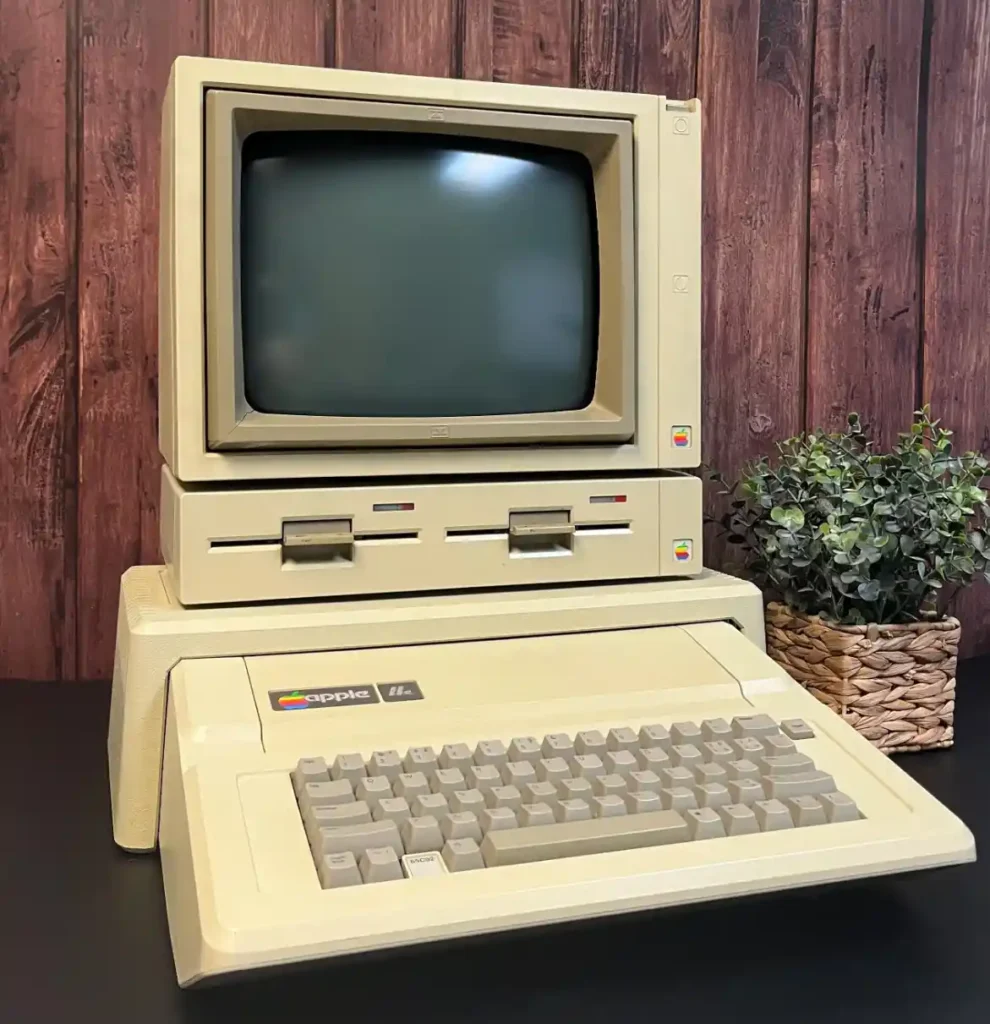
Commodore 64
The best-selling home computer of its era with a vast gaming and programming ecosystem.
Macintosh 128K
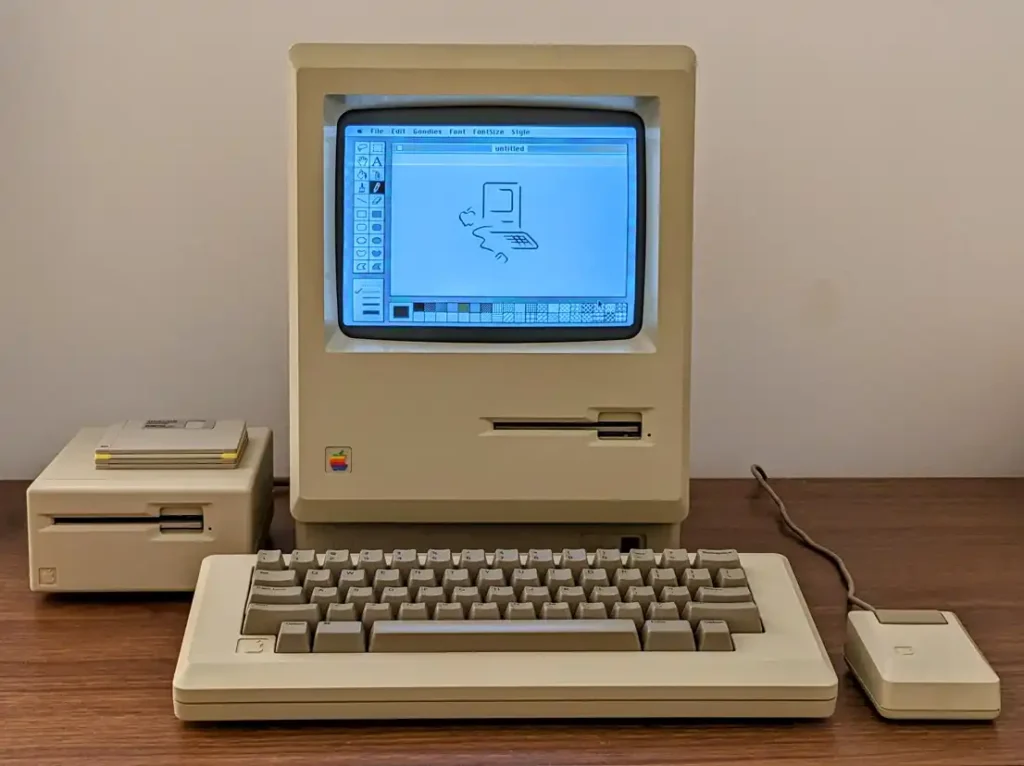
IBM 5150 PC
The machine that established the architecture behind the modern PC ecosystem.
NeXT Cube
SGI workstations
Pioneering graphics and visualization systems that influenced film, science, and 3D computing.
Machines with original packaging, documentation, peripherals, and working components are generally the most valuable.
The psychology behind collecting in the AI age
Technology historians have identified an important cultural pattern: periods of rapid technological change often increase interest in earlier technologies.
When AI transforms work, education, creativity, and communication, vintage computers become historical anchors. They allow collectors to trace the path from simple 8-bit systems to modern neural-network computing.
This historical continuity is increasingly important because AI systems can feel opaque even to experienced software developers. Vintage computers offer a reminder that computing was once understandable at the level of individual chips, memory addresses, and machine code.
Digital preservation is becoming urgent
A major reason for the hobby’s growth is preservation.
Unlike books or photographs, software and digital media can become unusable when hardware disappears.
Collectors often preserve:
- Floppy disks
- ROM chips
- Operating systems
- Programming tools
- Games
- Business software
- Educational software
- Manuals
- Schematics
- Original advertisements
Organizations such as computer history museums, digital archives, and preservation communities increasingly collaborate with private collectors because many important systems survive only in personal collections.
The restoration challenge
Collecting vintage computers is rarely passive. Most machines require technical restoration.
Common problems include:
- Failed capacitors
- Corroded batteries
- Broken floppy drives
- Aging power supplies
- Yellowed plastic
- Damaged keyboards
- Faulty CRT displays
- Missing documentation
Restoration requires skills in electronics, soldering, diagnostics, and historical research.
This hands-on aspect distinguishes vintage computing from many other collectibles. Owners often become caretakers of historical technology.
Why prices are rising
The market has become significantly stronger over the past decade.
Several factors are contributing to higher prices:
Limited supply
Many computers from the 1970s through 1990s were discarded.
Component scarcity
Original chips, drives, and monitors are increasingly difficult to replace.
Historical recognition
Museums and technology historians have elevated the cultural importance of early personal computers.
Global online marketplaces
Collectors can now buy internationally.
AI-era technology interest
Broader public interest in computing history has expanded the buyer base.
Rare systems, prototypes, and machines associated with important companies or software milestones can command substantial prices.
Vintage computers as working machines
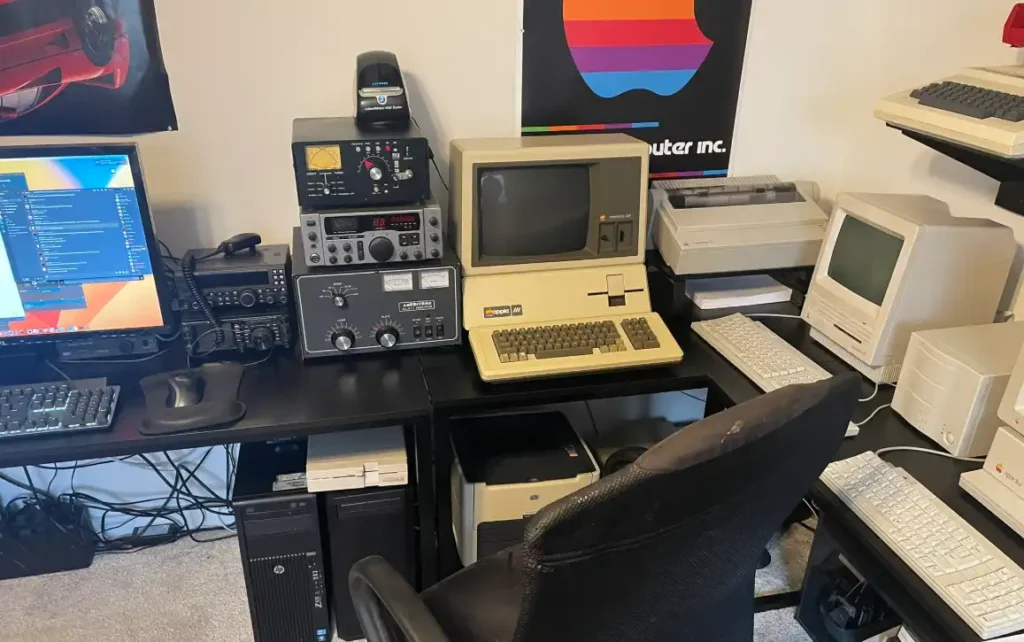
An important trend is that collectors increasingly use their computers rather than simply displaying them.
Popular activities include:
- BASIC programming
- Assembly language development
- Retro gaming
- BBS networking
- MIDI music production
- Digital art creation
- Hardware expansion
- Operating system experimentation
Modern accessories such as SD-card storage adapters, HDMI converters, and reproduction peripherals make many classic computers practical to operate today.
The environmental argument
Some collectors also view vintage computing through a sustainability lens.
Restoring and maintaining existing hardware extends product life and reduces electronic waste.
While vintage computers are not energy efficient by modern standards, the preservation movement emphasizes:
- Repairability
- Component reuse
- Documentation
- Technical knowledge preservation
- Long-term ownership
These values contrast with the rapid replacement cycles of many contemporary consumer devices.
AI and vintage computing are not opposites
The most interesting aspect of the trend is that many collectors are also AI professionals.
Software engineers, chip designers, data scientists, and AI researchers often collect vintage computers because they provide historical context for current technological developments.
Understanding early computing can improve appreciation of:
- Compiler design
- Memory management
- Programming language evolution
- User interface development
- Networking history
- Hardware architecture
In this sense, vintage computing is not an escape from AI. It is a way of understanding how AI became possible.
Why is vintage computer collecting becoming popular in the AI era?
Vintage computer collecting is becoming more popular because the AI era has made computing more automated and cloud-based. Many collectors appreciate retro computer collecting for its hands-on learning, repairable hardware, and direct understanding of classic computing systems.
What are the best computers for vintage computer collecting beginners?
For beginners, vintage computer collecting often starts with accessible systems such as the Commodore 64, Apple IIe, or IBM-compatible PCs. These machines have strong communities, available documentation, and practical opportunities for classic computer restoration.
Is vintage computer collecting a good investment?
Vintage computer collecting can be valuable, especially for rare or well-preserved systems with original components and documentation. However, most enthusiasts focus on retro computer collecting for historical significance, education, and restoration rather than guaranteed financial returns.
How does classic computer restoration support digital preservation?
Classic computer restoration helps preserve vintage software, operating systems, manuals, and hardware that might otherwise disappear. Vintage computer collecting plays an important role in protecting digital history and documenting the evolution of personal computing before the AI era.
Can vintage computers still be used today?
Yes. Many systems used in vintage computer collecting remain functional for programming, gaming, music production, hardware experimentation, and education. Retro computer collecting allows users to experience computing fundamentals in ways that modern AI-driven technology often does not.
The bottom line
The growth of vintage computer collecting reflects a deeper cultural shift. As AI makes computing more powerful, automated, and invisible, many people are seeking technologies they can fully understand, repair, and experience directly.
Vintage computers are no longer viewed simply as obsolete electronics. They are historical artifacts, educational tools, engineering achievements, and cultural records of the digital revolution. Their resurgence suggests that in an age dominated by artificial intelligence, understanding the origins of computing has become more valuable, not less.
For collectors, historians, and technology professionals alike, these machines preserve something increasingly important: the human story of computing before the algorithmic age.




 and then