









We Bury the Dead (2026) is a psychological zombie drama starring Daisy Ridley that focuses on grief, loss, and emotional survival rather than action. Set after a catastrophic military disaster, the film delivers a slow-burn, character-driven take on the undead genre.
KumDi.com
We Bury the Dead (2026) movie review readers should expect a deeply emotional and unconventional zombie film that prioritizes grief and humanity over gore. Led by Daisy Ridley, the film explores loss in a post-apocalyptic world where the dead return quietly, forcing survivors to confront unresolved love and moral responsibility.
We Bury the Dead (2026) is a post-apocalyptic zombie drama that challenges the conventions of the genre by prioritizing emotional realism over spectacle. Written and directed by Zak Hilditch and led by a powerful performance from Daisy Ridley, the film explores grief, unresolved love, and the moral weight of survival in a world where death refuses to remain final.
Rather than delivering relentless action or gore, We Bury the Dead offers a slow-burn, atmospheric meditation on loss and memory. It is a film that uses the undead not merely as monsters, but as echoes of unfinished lives. This approach positions the movie as a thoughtful, character-driven entry in modern horror cinema — one that will resonate deeply with some viewers while challenging the expectations of others.
Table of Contents
Story Overview
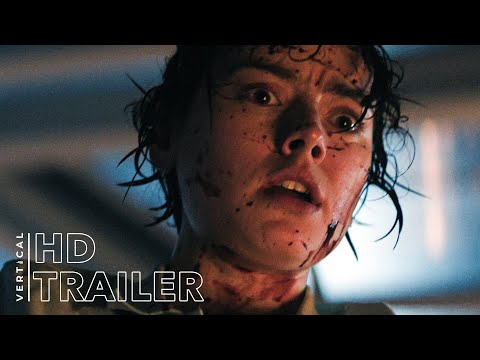
The film is set after a catastrophic military experiment off the coast of Tasmania results in mass civilian casualties. In the aftermath, the dead inexplicably return — not as violent predators, but as eerily passive figures trapped between life and death. Authorities downplay the threat, categorizing the undead as manageable and slow, assigning recovery teams to identify, process, and bury the bodies.
Ava, played by Daisy Ridley, joins one of these body-retrieval units in the desperate hope of finding her missing husband. What begins as a procedural task quickly becomes an emotional ordeal as she is forced to confront both the physical remains of strangers and the psychological weight of unresolved grief. As the journey unfolds, Ava must decide whether holding on to hope is an act of love — or a refusal to accept reality.
A Genre Film That Rejects Genre Comfort
At its core, We Bury the Dead is a zombie film that actively resists traditional zombie tropes. There are no frenetic chase sequences, no exaggerated violence, and no heroic survival arcs. Instead, the film embraces silence, stillness, and discomfort.
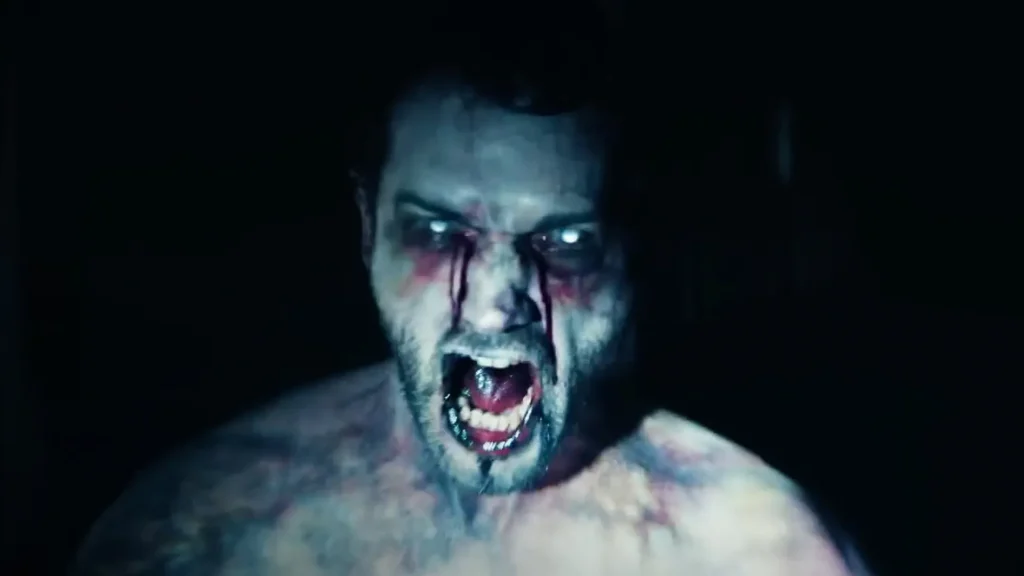
The undead are portrayed less as enemies and more as tragic reminders of what has been lost. This creative decision transforms the threat from something external into something deeply internal — grief itself becomes the true antagonist.
By doing so, the film aligns more closely with psychological drama than conventional horror. This tonal choice is deliberate and central to its identity, making We Bury the Dead feel more like a meditation on mortality than a survival thriller.
Themes: Grief, Hope, and Moral Responsibility
Grief as a Driving Force
Ava’s emotional journey anchors the entire narrative. Her refusal to accept the finality of her husband’s death is not portrayed as weakness, but as a deeply human response to sudden loss. The film explores how grief distorts time, perception, and decision-making, often leading people to cling to impossible outcomes.
The undead become symbolic — each body is a question left unanswered, a goodbye never spoken.
Hope Versus Acceptance
The film repeatedly asks whether hope is always virtuous. Ava’s determination to find her husband sustains her, but it also places her in danger — emotionally and physically. The story never provides easy answers, instead presenting hope and acceptance as competing survival strategies.
Ethics of Survival
By framing body recovery as an organized, institutional process, the film critiques how bureaucracies attempt to sanitize catastrophe. The act of “burying the dead” becomes both literal and philosophical — society’s attempt to move forward without fully reckoning with responsibility.
Daisy Ridley’s Performance: Subtle, Grounded, and Powerful
Daisy Ridley delivers one of the most restrained performances of her career. Her portrayal of Ava relies on controlled expressions, body language, and silence rather than overt emotional displays. This restraint enhances the film’s realism, allowing viewers to project their own experiences of loss onto her character.
Ridley’s performance avoids melodrama, instead capturing the numbness and exhaustion that often accompany grief. Her presence carries the film, particularly in its quietest moments, where the emotional impact is strongest.
Supporting performances provide balance, offering moments of dark humor, skepticism, and emotional distance that contrast with Ava’s emotional intensity.
Cinematography and Atmosphere
Visually, We Bury the Dead is stark and deliberate. Wide shots of empty towns, abandoned roads, and silent coastlines reinforce the film’s themes of isolation and abandonment. The muted color palette enhances the bleak mood without becoming visually monotonous.
The camera frequently lingers, allowing scenes to breathe. This slow pacing may feel challenging to viewers accustomed to faster editing, but it serves a clear narrative purpose — forcing the audience to sit with discomfort rather than escape it.
Sound design is equally restrained. Long stretches of silence are punctuated by environmental noise rather than a heavy musical score, reinforcing the film’s grounded tone.
Pacing and Narrative Structure
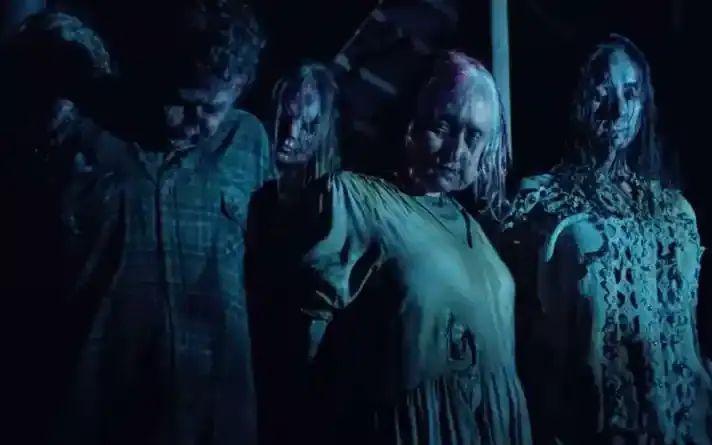
The film unfolds at a measured pace that mirrors the emotional state of its protagonist. Rather than escalating tension through action, the narrative builds through emotional accumulation. Each encounter with the dead adds another layer of psychological weight.
This structure will be divisive. Viewers seeking conventional horror thrills may find the pacing slow, while those drawn to character-driven storytelling will appreciate the deliberate rhythm.
Importantly, the film remains consistent in its tone, never abandoning its thematic commitment for spectacle.
Strengths and Weaknesses
What Works Well
- Deep emotional authenticity
- Thoughtful reimagining of the zombie genre
- Strong lead performance
- Atmospheric visuals and sound design
- Thematic cohesion from beginning to end
Potential Limitations
- Slow pacing may not appeal to all audiences
- Minimal action elements could disappoint genre purists
- Familiar motifs may feel understated rather than innovative
These limitations are less flaws than trade-offs — the result of prioritizing introspection over accessibility.
Audience Reception and Interpretive Divide
Audience reactions to We Bury the Dead tend to fall into two camps: those who admire its emotional ambition and those who feel misled by its genre classification.
For viewers expecting a traditional zombie film, the experience may feel subdued or even anticlimactic. However, for audiences open to a reflective, symbolic approach, the film offers a rare level of emotional engagement within the horror genre.
This divide is indicative of a film that takes creative risks — and accepts the consequences.
Final Verdict
We Bury the Dead is a quietly devastating film that transforms the zombie genre into a vehicle for exploring grief, love, and moral responsibility. It is not designed to entertain through fear, but to resonate through recognition.
By stripping the genre of its usual excesses, the film invites viewers to confront uncomfortable truths about loss and survival. Its success lies not in how loudly it shocks, but in how deeply it lingers.
Who Should Watch This Film
- Fans of slow-burn psychological dramas
- Viewers interested in emotionally grounded horror
- Audiences seeking character-focused storytelling
Who Might Not
- Viewers expecting action-heavy zombie thrills
- Those who prefer fast pacing and explicit horror
★★★★☆ Overall Rating: 8/10
A bold, introspective, and emotionally resonant film that redefines what a zombie story can be.

FAQs
What is We Bury the Dead (2026) about?
We Bury the Dead (2026) is a psychological zombie drama about a woman searching for her missing husband after a military disaster causes the dead to return, focusing on grief, loss, and emotional survival rather than traditional horror action.
Is We Bury the Dead a typical zombie movie?
No, We Bury the Dead (2026) movie review analysis shows it is a slow burn horror film that avoids fast-paced action, emphasizing psychological depth and human emotion instead of violent zombie tropes.
Who stars in We Bury the Dead (2026)?
The film stars Daisy Ridley in a leading role, delivering a restrained and emotionally grounded performance that defines this psychological zombie drama and sets it apart from conventional horror films.
Is We Bury the Dead scary or emotional?
Rather than being traditionally scary, We Bury the Dead is emotionally intense. The slow burn horror film relies on atmosphere, silence, and grief-driven storytelling instead of jump scares or gore.
Is We Bury the Dead (2026) worth watching?
This We Bury the Dead 2026 movie review suggests it is worth watching for fans of emotional, character-driven horror, but it may not appeal to viewers seeking fast-paced zombie action.




 and then