








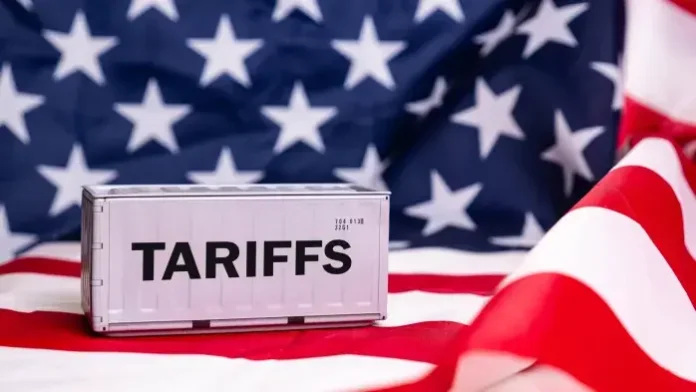

The end of de minimis marks a major shift in U.S. trade policy, removing duty-free entry for small imports. This change increases shipping tariffs, raises consumer costs, and reshapes global e-commerce by forcing businesses to adapt supply chains and strengthen compliance strategies.
KumDi.com
The end of de minimis is reshaping U.S. shipping tariffs and global trade. For decades, the de minimis exemption allowed small packages under $800 to bypass duties, fueling cheap e-commerce imports. Its removal means higher costs, slower shipping, and a dramatic shift in global supply chains.
Table of Contents
Understanding the De Minimis Rule
The de minimis exemption has long been a cornerstone of cross-border e-commerce. Under this policy, goods valued below a certain threshold (historically $800 for the U.S.) could enter the country without tariffs or complex customs procedures. This allowed American consumers to order inexpensive products directly from international sellers — especially from China — at low costs and with fast shipping.
For years, this rule fueled the rise of ultra-cheap online marketplaces, where small electronics, clothing, accessories, and household items could be shipped directly to consumers without the burden of duties or regulatory delays.
But as of 2025, that era has ended.
Why the U.S. Ended the De Minimis Exemption
The decision to suspend de minimis entry rules reflects shifting trade priorities in the U.S. government. Officials have argued that the policy:
- Favored foreign sellers, especially Chinese platforms, over domestic retailers.
- Enabled tariff circumvention, letting companies split larger shipments into smaller packages.
- Created enforcement loopholes, leading to difficulties in tracking product safety, counterfeit goods, and compliance with U.S. regulations.
By ending the exemption, Washington aims to level the playing field for American businesses and exert greater control over imports.
How This Change Affects Consumers
For everyday shoppers, the impact is immediate and significant:
- Higher prices on small imports: Goods once free from tariffs may now carry duties of 15–25% or more, depending on category.
- Slower shipping: Customs clearance times are expected to increase, as each parcel must now be processed with detailed paperwork.
- Reduced product availability: Many low-cost sellers may withdraw from the U.S. market if compliance becomes too burdensome.
Consumers accustomed to buying $5 phone cases or $10 fashion items online may find those prices climbing substantially.
Impact on E-Commerce Platforms
Major platforms like Temu, Shein, and AliExpress have relied heavily on de minimis to expand their U.S. presence. Without this exemption:
- Their cost advantage diminishes, as tariffs cut into their ability to underprice competitors.
- Warehousing strategies may change, with more companies considering storing bulk goods in U.S. distribution centers instead of shipping directly.
- Market consolidation could occur, with smaller overseas sellers unable to compete in a tariff-heavy environment.
Winners and Losers in Global Trade
The elimination of de minimis creates a new trade environment with clear winners and losers:
- Winners:
- U.S. retailers who gain relief from unfair price competition.
- Domestic manufacturers with stronger protection from cheap imports.
- Logistics providers handling bulk imports and warehousing in the U.S.
- Losers:
- Overseas sellers who relied on direct-to-consumer shipping.
- Price-sensitive American consumers.
- Small entrepreneurs reselling low-cost goods online.
Economic and Political Dimensions
The decision also ties into larger geopolitical and economic strategies. The U.S.–China trade relationship has been tense for years, with tariffs, restrictions, and countermeasures shaping global commerce. Removing de minimis is seen as part of a broader protectionist strategy aimed at reducing dependency on Chinese supply chains.
From a political standpoint, the move appeals to domestic industries and labor groups who have long argued that trade rules disadvantage U.S. workers.
What This Means for Supply Chains
Companies importing goods into the U.S. now face new challenges:
- Customs compliance: Accurate valuation and classification of every package are mandatory.
- Increased costs: Import duties, customs broker fees, and storage expenses rise.
- Shift to bulk shipping: Instead of sending millions of small parcels, companies may consolidate shipments into larger freight containers.
This transition will likely reshape how international goods reach American doorsteps.
Consumer Behavior Shifts
With prices rising on foreign e-commerce, American shoppers may:
- Turn back to domestic retailers for competitive pricing.
- Focus more on quality and durability rather than ultra-cheap products.
- Seek out secondhand markets or alternative sourcing.
While the immediate reaction may be frustration at higher costs, over time, consumer habits could shift toward supporting local and regional businesses.
The Future of E-Commerce Without De Minimis
The end of de minimis is not just about tariffs — it’s about the future of digital commerce. Some possible outcomes include:
- Localization of supply chains: More companies will establish U.S.-based warehouses.
- Rise of tariff-optimized platforms: New marketplaces may emerge, specializing in compliance-friendly imports.
- Innovation in shipping and logistics: Faster customs technology and AI-driven clearance systems could reduce delays.
The global e-commerce landscape is evolving, and businesses that adapt quickly will maintain a competitive edge.
Conclusion: A New Era in Global Trade
The end of the de minimis exemption marks a historic turning point for U.S. trade policy. What was once a system designed for efficiency and consumer affordability has now become a battleground for economic fairness, domestic industry protection, and geopolitical strategy.
For consumers, the change means higher prices and fewer ultra-cheap imports. For businesses, it signals a need to adapt supply chains, rethink logistics, and embrace new compliance models.
The era of endless, tariff-free small packages flooding the U.S. is over — and in its place, a more regulated, competitive, and strategically controlled trade environment is emerging.
FAQs
What does the end of de minimis mean for U.S. consumers?
The end of de minimis means U.S. consumers will face higher prices and longer delivery times on imported goods, as shipping tariffs now apply to small packages.
How does the end of de minimis affect global e-commerce trade?
The end of de minimis disrupts global e-commerce trade by raising tariffs, forcing companies to adjust supply chains, and reducing the availability of ultra-cheap imports.
Why did the U.S. remove the de minimis exemption?
The U.S. removed the de minimis exemption to close loopholes, protect domestic retailers, and prevent foreign sellers from avoiding tariffs through fragmented shipments.
How will businesses adapt to the end of de minimis?
Businesses will adapt to the end of de minimis by consolidating shipments, investing in U.S. warehouses, and implementing stronger compliance with shipping tariffs and customs.
What industries benefit from the end of de minimis?
The industries that benefit from the end of de minimis include U.S. retailers, domestic manufacturers, and logistics providers who gain from reduced foreign competition and higher trade regulation.




 and then