








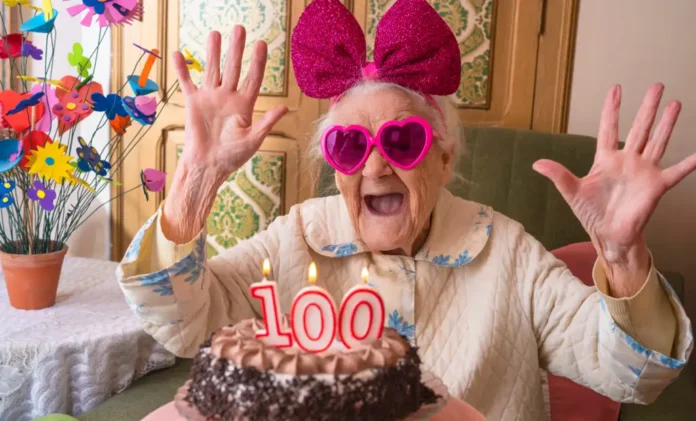

Living to 100 is becoming less likely because mortality improvements have slowed, chronic diseases are rising, and lifestyle factors like obesity and stress affect longevity. Scientists warn that without medical breakthroughs, reaching a century is harder for recent birth cohorts.
KumDi.com
Reaching the age of 100 has long been considered a remarkable milestone, but recent research shows that living to 100 is becoming less likely in today’s world. Slower gains in life expectancy, increasing chronic diseases, and lifestyle challenges are reducing the chances of achieving a centenarian age for modern populations.
For much of the 20th century, life expectancy rose at an astonishing pace. Advances in medicine, vaccines, antibiotics, safer workplaces, improved sanitation, and better maternal and infant health dramatically extended human lifespans. Living to 100 — once seen as an extraordinary rarity — began to feel within reach for many people. Optimists even predicted that reaching 100 might become commonplace for children born in the 21st century.
Yet, scientists today are sounding a more cautious note. Despite ongoing medical innovation, the trend toward ever-longer lives has slowed, and in some populations even reversed. Many now argue that living to 100 is becoming less likely for those born in recent decades. The reasons span biology, lifestyle, public health, and social inequalities, painting a complex picture of modern longevity.
Table of Contents

The slowdown in life expectancy gains
The key to understanding this shift is to recognize that the dramatic gains of the past were front-loaded. Early improvements came largely from preventing premature deaths in childhood and early adulthood. Once infectious diseases were controlled and maternal mortality dropped, millions of lives were saved, boosting averages.
Now, most people in high-income countries already survive into older age. Further extending life requires pushing back deaths at 70, 80, and beyond — a much more difficult challenge. Chronic diseases like cancer, cardiovascular disease, dementia, and diabetes dominate older age mortality, and they are far harder to eradicate completely. This means the upward curve of longevity is flattening.
Biological limits to human lifespan
Scientists also debate whether humans are approaching biological limits. While the maximum verified human lifespan (122 years) has not been surpassed in decades, average lifespans improved significantly. But in recent years, researchers have noted a “ceiling effect,” where additional survival gains slow dramatically.
The biology of aging itself — cellular senescence, DNA damage, and organ decline — continues to constrain how long bodies can function. Unless there are breakthroughs in anti-aging therapies, it’s unlikely that vast numbers of people will reach 100. In other words, medicine has delayed disease, but it has not fundamentally stopped the aging process.
Modern risks reversing progress
While the biological ceiling is one factor, modern social and lifestyle trends are also reducing the likelihood of widespread centenarians:
- Obesity and metabolic disease
Rates of obesity have climbed in many countries, raising risks for diabetes, heart disease, and stroke. These chronic conditions develop over decades and significantly shorten life expectancy. - Cardiovascular disease and cancer
Advances in treatment have saved many lives, but these diseases remain leading killers. For every breakthrough, new challenges emerge, such as rising rates of heart failure linked to obesity and sedentary lifestyles. - Substance abuse and mental health crises
Drug overdoses, alcohol-related deaths, and suicides have contributed to life expectancy stagnation in some countries. These causes of death disproportionately affect working-age adults, cutting into survival chances before old age. - Pandemic impact
COVID-19 abruptly reduced life expectancy in many parts of the world. While much of the impact was concentrated in older populations, the long-term effects of COVID-related complications and disruptions to healthcare may persist. - Environmental and lifestyle stressors
Pollution, poor diets, chronic stress, and lack of physical activity all chip away at health over time. Unlike the infectious disease crises of the past, these are long-term, lifestyle-driven challenges that require systemic solutions.
Inequality in longevity
Another factor making 100 less likely is inequality. In many countries, wealthier populations continue to enjoy steady gains in life expectancy thanks to access to quality healthcare, healthier diets, and safer environments. In contrast, disadvantaged groups experience stagnation or even decline.
This widening gap means that while some individuals still have a realistic chance of becoming centenarians, population-level averages mask deep divides. Living to 100 is much more probable for the wealthy than for those facing poverty, limited healthcare access, and chronic stress.
Why centenarian numbers rose in the past — and why they may plateau
It’s important to note that the number of people aged 100 and over did increase dramatically during the late 20th and early 21st centuries. That surge was driven by the large birth cohorts of the early 1900s and the dramatic health improvements that carried them into old age.
But scientists caution that this was a one-time effect. The cohorts born more recently face new challenges, including obesity, substance abuse, and slower progress against chronic diseases. As a result, the proportion of people reaching 100 may decline, even if the total global number remains high for a while due to population growth.
Could breakthroughs change the outlook?
Despite the current slowdown, the future is not set in stone. Several potential breakthroughs could reshape longevity trajectories:
- Aging biology research: Scientists are exploring drugs and therapies aimed at slowing the fundamental processes of aging, such as cellular damage and inflammation. If these succeed, they could extend both healthspan and lifespan.
- Gene therapies and regenerative medicine: Advances in gene editing, stem cells, and tissue regeneration could treat or even reverse chronic conditions that currently limit lifespan.
- Preventive healthcare at scale: Expanded access to screenings, vaccines, and preventive care could reduce the burden of diseases like cancer and heart disease.
- Public health interventions: Policies that address obesity, promote physical activity, and reduce harmful behaviors could yield large improvements across populations.
Practical takeaways: what individuals can do
While population trends may be sobering, individuals still have meaningful control over their own health trajectories. Research consistently shows that people who avoid smoking, maintain a healthy weight, exercise regularly, eat a balanced diet, and manage blood pressure and blood sugar live significantly longer.
Strong social connections, mental stimulation, and stress management are also linked to longer, healthier lives. While no lifestyle guarantees reaching 100, these habits increase the odds of both longevity and quality of life.
Conclusion: Living to 100 is not impossible, but less likely
The dream of routinely living to 100 is dimmer today than it was a generation ago. The explosive gains of the past century have slowed, chronic diseases weigh heavily on populations, and social inequalities deepen health divides. Add to that new risks like obesity, substance abuse, and pandemics, and the result is clear: while some individuals will always achieve centenarian status, the odds at the population level are no longer rising — and may even be falling.
Living to 100 remains a remarkable achievement, but unless medicine discovers ways to fundamentally slow aging or societies commit to major health reforms, it is likely to remain just that: remarkable, rather than routine.

FAQs
Why is living to 100 less likely today?
Living to 100 is less likely today due to slower life expectancy growth, higher rates of chronic disease, and lifestyle factors such as poor diet, stress, and lack of exercise.
What are the main health risks reducing chances of reaching 100?
Key risks include cardiovascular disease, diabetes, obesity, cancer, and mental health issues, all of which lower the probability of becoming a centenarian.
How do centenarian trends differ across populations?
Centenarian trends vary based on wealth, healthcare access, and lifestyle. Wealthier populations with healthier habits are more likely to reach 100 than disadvantaged groups.
Can lifestyle changes increase chances of living to 100?
Yes. Healthy eating, regular exercise, avoiding smoking, and managing stress can significantly improve longevity and support reaching 100 years.
Are there medical breakthroughs that could reverse longevity slowdown?
Scientists are researching anti-aging therapies, gene therapy, and regenerative medicine, which could extend life expectancy and make living to 100 more achievable in the future.




 and then