








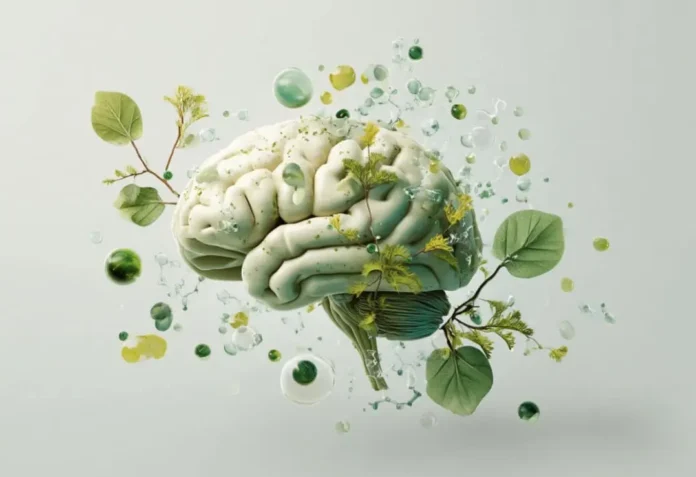

A special diet may slow brain aging by reducing inflammation, stabilizing blood sugar, and preserving brain structure. Harvard research highlights the green Mediterranean diet—rich in vegetables, antioxidants, and healthy fats—as an effective way to protect memory, maintain cognitive function, and lower dementia risk naturally.
KumDi.com
Maintaining mental sharpness is essential as we age, and studies now show that a special diet may slow brain aging. Harvard researchers reveal that the green Mediterranean diet, full of vegetables, polyphenols, and healthy fats, can reduce cognitive decline, protect memory, and promote long-term brain health for all adults.
As people live longer than ever before, maintaining a sharp and healthy brain throughout life has become a top priority. Conditions such as dementia, Alzheimer’s disease, and age-related cognitive decline threaten quality of life, independence, and overall well-being. While genetics and aging play undeniable roles, lifestyle factors—especially diet—are proving to be just as important.
A groundbreaking Harvard study now suggests that a specific dietary approach may slow the natural aging of the brain. Known as the green Mediterranean diet, this eating pattern builds upon the already famous Mediterranean diet, with an even stronger emphasis on plant-based foods, antioxidants, and brain-protective nutrients. Evidence shows it may reduce inflammation, protect brain structure, and even offset genetic risks for dementia.
This article explains how this special diet works, what foods are included, why it matters for brain aging, and how you can start applying these findings to your daily life.
Table of Contents
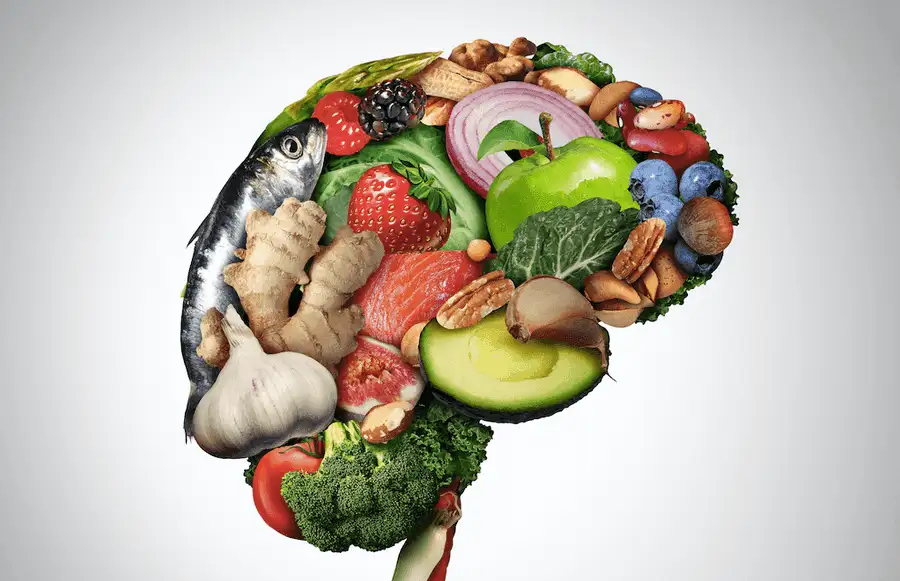
The Green Mediterranean Diet: A Brain-Protective Eating Pattern
The traditional Mediterranean diet has long been associated with lower risks of heart disease, diabetes, and early death. It emphasizes whole, minimally processed foods such as fruits, vegetables, legumes, whole grains, fish, olive oil, and nuts.
The green Mediterranean diet takes this foundation and strengthens it with specific brain-friendly additions. It is characterized by:
- More plant-based foods: Vegetables, legumes, leafy greens, nuts, and seeds form the core.
- Polyphenol-rich ingredients: Green tea, herbs, and certain plants provide antioxidants that protect against cellular damage.
- Reduced red and processed meats: Unlike Western diets heavy in beef, pork, and processed products, the green Mediterranean diet minimizes these foods.
- Lean proteins: Fish and poultry are consumed moderately, while plant proteins are emphasized.
- Healthy fats: Olive oil, nuts, and omega-3 fatty acids support brain function and heart health.
This plant-forward adaptation appears to provide even stronger neuroprotective effects compared to the classic version.
How This Diet May Slow Brain Aging

1. Reduces Inflammation
Chronic, low-grade inflammation is a major driver of brain aging and cognitive decline. The green Mediterranean diet is naturally anti-inflammatory thanks to antioxidants, polyphenols, omega-3 fatty acids, and fiber-rich plants. These nutrients help regulate the body’s immune responses and reduce harmful inflammatory processes that damage neurons over time.
2. Improves Blood Sugar and Metabolic Health
Unstable blood sugar, insulin resistance, and type 2 diabetes are all linked with faster brain aging. By prioritizing whole grains, vegetables, and healthy fats while limiting refined sugars and processed foods, this diet stabilizes blood sugar and supports metabolic balance. Improved glucose control directly reduces risk for memory decline and dementia.
3. Protects Brain Structure
Brain shrinkage, particularly in areas like the hippocampus, is a hallmark of aging and Alzheimer’s disease. Research suggests that people who follow Mediterranean-style diets experience less loss of brain volume. The green Mediterranean variation may be even more protective, helping preserve both memory centers and overall brain structure.
4. Supports Healthy DNA and Cellular Aging
One of the most exciting findings is that this diet may influence biological aging at the cellular level. Diets rich in polyphenols appear to slow “epigenetic aging,” meaning they reduce changes in DNA methylation patterns that accelerate the body’s biological clock. This could mean that consistent adherence to the diet keeps both body and brain biologically younger.
5. Offsets Genetic Risk
Some people carry genes, such as the APOE4 variant, that increase the likelihood of Alzheimer’s disease. Encouragingly, evidence shows that lifestyle can still make a difference. People with high genetic risk who followed the Mediterranean or green Mediterranean diet experienced slower cognitive decline compared to those with poor diets, proving that genes are not destiny.
Key Benefits in Everyday Terms
- Sharper memory: Supports the hippocampus, which governs memory and learning.
- Longer attention span: Stabilized blood sugar improves focus and reduces mental fatigue.
- Slower brain shrinkage: Protects against loss of gray matter volume.
- More youthful cells: Polyphenols help slow down the body’s biological clock.
- Resilience against dementia: Even people with family history or genetic risks can benefit.
Practical Food Guidelines
To incorporate this brain-healthy diet into your lifestyle, follow these simple guidelines:
Eat More of These
- Leafy greens like spinach, kale, and arugula
- Cruciferous vegetables such as broccoli and Brussels sprouts
- Legumes (lentils, chickpeas, beans)
- Whole grains (oats, quinoa, barley, brown rice)
- Fruits, especially berries and citrus
- Green tea or matcha
- Nuts and seeds, especially walnuts, almonds, and flaxseeds
- Fatty fish like salmon, sardines, and mackerel
- Herbs and spices rich in antioxidants (turmeric, rosemary, oregano)
Limit or Avoid
- Red meat and processed meats
- Refined sugars, sweets, and pastries
- Fried and ultra-processed foods
- Excessive dairy products high in saturated fat
- Sugary drinks and alcohol (except moderate red wine if culturally appropriate)
Lifestyle Synergy: More Than Just Food
Although diet plays a central role, brain aging is influenced by multiple lifestyle factors. To maximize the benefits of the green Mediterranean diet, combine it with:
- Regular exercise: Aerobic activity and strength training both protect cognition.
- Quality sleep: Deep, restorative rest is vital for memory and learning.
- Mental stimulation: Reading, puzzles, or learning new skills keep neural connections strong.
- Social engagement: Relationships, conversations, and community reduce risk of dementia.
- Stress management: Practices like mindfulness and yoga reduce harmful cortisol effects on the brain.
Limitations and Considerations
While the green Mediterranean diet shows promise, it is not a “cure” for aging or dementia. Results vary based on individual genetics, lifestyle, and overall health. Accessibility is also important—certain foods like exotic plants may not be widely available everywhere, but local alternatives with high polyphenol content (green tea, berries, herbs) can provide similar benefits.
Consistency is key. Occasional adherence will not deliver the same benefits as long-term commitment. However, the diet is flexible, enjoyable, and sustainable, making it easier to maintain over years or decades.
Why This Matters for the Future of Brain Health
Brain aging and dementia are some of the most pressing health challenges worldwide. By 2050, the number of people living with dementia is expected to triple globally. Since medical treatments remain limited, prevention through lifestyle is critical.
The green Mediterranean diet offers one of the most evidence-based, accessible, and effective strategies available today. It not only benefits the brain but also supports heart health, weight management, and overall longevity. Adopting this diet early in life may add years of sharp, independent living.
Conclusion
The message is clear: what you eat can help determine how well your brain ages. The green Mediterranean diet—built on vegetables, fruits, whole grains, nuts, fish, and antioxidant-rich foods like green tea—offers powerful protection against memory loss, cognitive decline, and dementia. Combined with exercise, sleep, and social connection, it provides one of the most effective strategies we currently know for keeping the mind sharp and youthful.
In a world where brain health is as important as heart health, this diet is not just a nutritional choice—it is an investment in your future self.

FAQs
What is the special diet that may slow brain aging?
The green Mediterranean diet is the special diet Harvard research highlights. Rich in vegetables, whole grains, nuts, fish, and antioxidants, it may slow brain aging, reduce cognitive decline, and protect memory naturally.
How does the green Mediterranean diet help prevent cognitive decline?
By providing polyphenols, healthy fats, and plant-based nutrients, the green Mediterranean diet reduces inflammation, stabilizes blood sugar, and supports brain structure, effectively helping prevent cognitive decline and slow brain aging naturally.
Can this diet reduce the risk of dementia?
Yes. Following a special diet that may slow brain aging, like the green Mediterranean diet, can lower the risk of dementia by protecting neurons, preserving memory, and maintaining overall cognitive function.
Which foods are essential for slowing brain aging?
Key foods include leafy greens, berries, nuts, olive oil, fish, whole grains, and green tea. These ingredients make up the green Mediterranean diet, proven to slow brain aging and support cognitive health.
Is this diet effective even with genetic risk factors?
Yes. Studies show that people with high genetic risk for Alzheimer’s still benefit from a special diet that may slow brain aging, particularly the green Mediterranean diet, which supports memory and cognitive function naturally.




 and then