










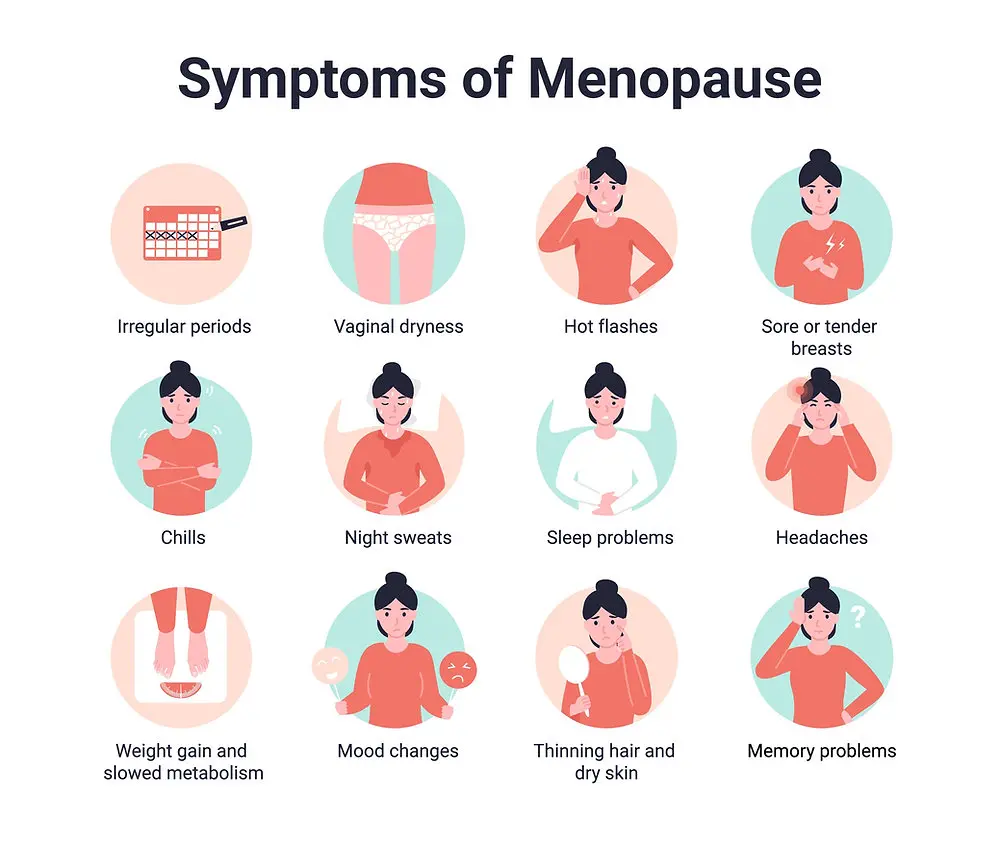
Menopause symptoms doctors don’t always discuss include brain fog, anger, irritability, anxiety, sleep problems, urinary changes, vaginal dryness, painful sex, low libido, headaches, palpitations, and joint pain. These symptoms can significantly affect daily life and should be discussed with a healthcare professional when persistent or disruptive.
KumDi.com
Menopause is much more than hot flashes and irregular periods. During perimenopause and menopause, changing ovarian hormone levels can affect the brain, sleep, mood, urinary and vaginal health, sexual function, skin, hair, joints, metabolism, and overall quality of life. Symptoms that are frequently overlooked or dismissed include sudden anger and irritability, brain fog, anxiety, sleep disruption, heart palpitations, urinary problems, vaginal discomfort, changes in libido, headaches, joint pain, and unexplained changes in body composition.
One reason these symptoms are missed is that they do not always look like a classic “menopause symptom.” A person may seek help for forgetfulness, insomnia, recurrent urinary symptoms, painful sex, anxiety, or feeling unusually angry without realizing that these problems can occur during the menopause transition. The good news is that many symptoms can be evaluated and treated, and persistent or disruptive symptoms should not simply be accepted as something you have to endure.
Table of Contents

What is menopause—and when can symptoms begin?
Menopause is defined as 12 consecutive months without a menstrual period when the absence of periods is not caused by another condition or hormonal contraception. The transition leading up to menopause is called perimenopause. It can involve fluctuating hormone levels and changes in menstrual cycles before periods eventually stop. Menopause commonly occurs between ages 45 and 55, although it can happen earlier or later.
Importantly, symptoms can begin years before the final menstrual period and may continue into postmenopause. They can also change over time. Someone may initially experience irregular periods and sleep problems, followed by hot flashes, anxiety, brain fog, or vaginal and urinary symptoms.
This changing pattern is one reason menopause can be difficult to recognize.
10 Menopause Symptoms That Are Often Overlooked
1. Sudden anger, irritability, or feeling emotionally “different”
Anger is not usually the first symptom people associate with menopause, but irritability, mood swings, anxiety, and emotional changes can occur during the menopause transition.
Some people describe becoming unusually short-tempered, having a much lower tolerance for everyday frustrations, or feeling emotionally overwhelmed by situations that previously seemed manageable.
Hormonal fluctuations may interact with sleep disruption, stress, hot flashes, and other symptoms, creating a cycle in which poor sleep increases irritability and irritability further interferes with sleep.
Research into anger during the menopause transition has historically received less attention than research into depression, although newer research is examining emotional arousal and anger more closely.
What matters clinically?
Menopause should not automatically be blamed for severe or persistent mood changes. Depression, anxiety disorders, thyroid disease, medication effects, relationship stress, sleep disorders, and other conditions can produce similar symptoms.
If anger is accompanied by persistent sadness, hopelessness, loss of interest, severe anxiety, or thoughts of self-harm, professional assessment is important.
2. Brain fog, forgetfulness, and difficulty finding words
Brain fog is one of the most commonly reported but frequently misunderstood menopause-related symptoms.
A person may notice:
- Forgetting names or familiar words
- Losing their train of thought
- Difficulty concentrating during meetings
- Misplacing everyday objects
- Struggling to multitask
- Needing more time to process information
- Forgetting appointments or details
- Feeling mentally exhausted after routine tasks
The Menopause Society reports that approximately 40% to 60% of midlife women experience cognitive symptoms such as forgetfulness during the menopause transition. These changes are generally subtle rather than the severe cognitive decline associated with dementia.
Sleep and mood are important pieces of the puzzle. Cognitive performance during the menopause transition can be influenced by sleep difficulties, mood changes, and the menopausal stage itself.
Does menopause cause dementia?
Typical menopause-related brain fog does not mean that a person is developing dementia. However, significant or rapidly worsening cognitive changes should be medically assessed rather than automatically attributed to menopause.
A practical approach is to look at the whole picture: sleep quality, mood, medications, alcohol use, thyroid function when clinically appropriate, nutritional factors, and other possible causes.
3. Sleep problems—even without obvious night sweats
Sleep disruption is another symptom that can be underestimated.
Menopause-related sleep problems may include:
- Difficulty falling asleep
- Waking repeatedly during the night
- Waking too early
- Night sweats
- Non-restorative sleep
- Daytime fatigue
- Irritability caused by chronic sleep loss
Poor sleep can then amplify other symptoms, including brain fog, anxiety, low mood, and irritability. The NHS specifically notes that sleep problems can contribute to daytime tiredness, irritability, stress, and anxiety.
This creates an important clinical distinction: sometimes what feels like worsening memory is partly the consequence of months of inadequate sleep.
4. Anxiety and a feeling of being constantly “on edge”
Anxiety can appear or worsen during perimenopause. Some people experience excessive worry, restlessness, a racing mind, or a sense of being unable to relax.
It can be especially confusing when anxiety appears alongside physical symptoms such as palpitations, sweating, sleep disturbance, or hot flashes.
Because anxiety has many possible causes, healthcare professionals should consider the broader clinical picture rather than assuming every anxiety symptom is hormonal.
Cognitive behavioural therapy (CBT), lifestyle measures, and appropriate medical treatment can all have a role depending on the individual circumstances.
5. Vaginal dryness, burning, and painful sex
Vaginal symptoms can be particularly underreported because they are personal or uncomfortable to discuss.
Lower estrogen levels can contribute to changes in vaginal and vulvar tissues, including:
- Dryness
- Burning
- Itching
- Irritation
- Reduced lubrication
- Pain during sexual activity
- Discomfort during pelvic examinations
These symptoms are part of a condition known as genitourinary syndrome of menopause (GSM).
GSM can affect quality of life and sexual well-being and may persist or worsen without appropriate treatment. Unlike some vasomotor symptoms that improve over time, genitourinary symptoms can become more persistent.
This is an important reason to mention vaginal or sexual symptoms directly during a medical appointment. They are legitimate medical symptoms—not something a person simply has to tolerate with age.
6. Urinary urgency, recurrent UTI-like symptoms, and bladder changes
Bladder symptoms are another area that may not immediately be connected with menopause.
Some people experience:
- Urinary urgency
- Frequent urination
- Waking at night to urinate
- Urinary leakage
- Burning or discomfort during urination
- Recurrent urinary tract infections
- Symptoms that resemble a UTI
The decline in estrogen around menopause can affect tissues throughout the genitourinary system. The Menopause Society has highlighted bladder and lower urinary tract symptoms as an often-overlooked aspect of the menopause transition.
However, urinary symptoms should not automatically be labeled “menopause.” A true urinary infection, overactive bladder, pelvic floor dysfunction, medication effect, or another urinary condition may require different treatment.
7. Changes in libido and sexual function
A decrease in sexual desire can be associated with menopause, but libido is rarely controlled by hormones alone.
Sexual function may be affected by a combination of:
- Vaginal dryness or pain
- Sleep deprivation
- Mood changes
- Anxiety
- Relationship factors
- Medication effects
- Changes in body image
- Reduced arousal or lubrication
- Other health conditions
The most useful approach is therefore not simply to ask, “Has your libido decreased?” but to explore what has changed and why.
If sex has become painful because of vaginal symptoms, treating the underlying discomfort may be more helpful than focusing solely on sexual desire.
8. Heart palpitations and a more noticeable heartbeat
Some people report episodes in which their heartbeat suddenly feels faster, stronger, or more noticeable.
Palpitations can occur alongside hot flashes, anxiety, or hormonal changes. They are recognized among possible menopause symptoms.
But this symptom deserves appropriate medical judgment.
Do not assume that every episode of a racing or irregular heartbeat is caused by menopause. Depending on the circumstances, clinicians may need to consider heart rhythm problems, anemia, thyroid disorders, medication effects, caffeine, anxiety, or other causes.
Seek urgent medical attention for palpitations accompanied by chest pain, severe shortness of breath, fainting, or other concerning symptoms.
9. Headaches, migraines, and body aches
Menopause can also affect physical symptoms that people may not immediately associate with reproductive hormones.
Some people experience:
- Headaches or worsening migraines
- Muscle aches
- Joint pain
- General body discomfort
- Fatigue
The NHS lists worsening headaches or migraines and muscle and joint pain among the possible symptoms of perimenopause and menopause.
Again, the timing matters. A new severe headache, neurological symptom, or unusual pattern should not automatically be attributed to menopause.
10. Skin, hair, weight, and body-composition changes
Changes in body shape and weight can be frustrating during midlife.
Commonly reported changes include:
- Increased abdominal weight
- Changes in body composition
- Dry or itchy skin
- Hair thinning or hair loss
The menopause transition can occur at the same time as normal age-related changes in muscle mass, activity levels, sleep, appetite, and metabolism. Therefore, weight change is rarely explained by a single factor.
Rather than pursuing extreme diets, a more sustainable strategy generally emphasizes regular physical activity, resistance exercise, adequate protein and nutrient-dense foods, sleep, and management of relevant medical conditions.
The Menopause Society notes that even relatively modest weight loss in people who are overweight can provide metabolic benefits, including improvements in cholesterol and diabetes risk factors.
Why Do These Symptoms Happen?
There is no single “menopause symptom pathway.”
Menopause involves substantial changes in ovarian hormone production, particularly estrogen. These hormonal changes interact with multiple body systems, including the brain, reproductive tissues, urinary system, cardiovascular system, bones, and metabolism.
At the same time, midlife often brings additional factors: demanding careers, caregiving responsibilities, relationship changes, reduced sleep, chronic stress, medications, and other health conditions.
That is why two people of the same age can have completely different menopause experiences.
The Menopause Society emphasizes that the menopause transition varies considerably between individuals, and treatment decisions should be based on the person’s symptoms, health, preferences, and circumstances.
When Should You Talk to a Doctor?
You do not need to wait until symptoms become severe.
Consider discussing menopause with a healthcare professional if symptoms are affecting:
- Work performance
- Concentration or memory
- Sleep
- Relationships
- Sexual health
- Exercise
- Mood
- Daily functioning
- Quality of life
A clinician may diagnose perimenopause or menopause based primarily on age, menstrual history, and symptoms. Routine hormone testing is not necessarily required for typical menopause in people in the expected age range.
Blood tests may be considered in particular circumstances, such as suspected early menopause or when another medical condition needs to be investigated.
Symptoms That Should Not Simply Be Blamed on Menopause
Menopause is common, but it is not a diagnosis that should be used to explain every new symptom.
Seek medical evaluation for:
- New or severe chest pain
- Fainting
- Severe or unexplained shortness of breath
- New neurological symptoms
- Rapidly worsening cognitive problems
- Severe depression or thoughts of self-harm
- Unusually heavy or persistent bleeding
- Any vaginal bleeding after menopause
Postmenopausal bleeding should always be evaluated, even if it occurs only once or appears as light spotting. Although it is often not caused by cancer, it can be an early sign of endometrial or other gynecological disease.
What Treatments Are Available for Menopause Symptoms?
Treatment should be individualized rather than based on age alone.
Depending on the symptom and medical history, options may include:
Lifestyle and behavioral strategies
Regular physical activity, adequate sleep, stress management, maintaining a healthy weight, avoiding smoking, and moderating alcohol can support overall health and may improve some menopause-related symptoms.
Cognitive behavioural therapy
CBT can be useful for some people experiencing anxiety, low mood, sleep problems, and certain menopause-related symptoms.
Hormone therapy
Menopausal hormone therapy can be highly effective for bothersome vasomotor symptoms such as hot flashes and night sweats, and estrogen-based treatment can also have an important role in managing certain genitourinary symptoms.
However, hormone therapy is not appropriate for everyone. Decisions should consider age, time since menopause, medical history, symptoms, personal preferences, and the specific type and route of treatment. Hormone therapy can carry risks, including blood clots and stroke, with risk profiles influenced by factors such as the route of administration.
This is why hormone therapy should be discussed with a qualified healthcare professional rather than started based solely on online information.
Genitourinary treatments
For vaginal and urinary symptoms, treatment can include nonhormonal approaches and, where appropriate, local vaginal estrogen or other prescription options. Management should be based on the specific symptoms and individual health considerations.
The 2025 American Urological Association guideline on genitourinary syndrome of menopause, endorsed by The Menopause Society, reflects growing recognition that urinary and genital symptoms deserve systematic assessment and treatment.
A Practical Menopause Symptom Checklist
Before your appointment, consider tracking symptoms for several weeks.
| Symptom | What to track |
|---|---|
| Brain fog | Memory, concentration, word-finding |
| Mood | Anger, irritability, anxiety, low mood |
| Sleep | Bedtime, awakenings, night sweats, daytime fatigue |
| Hot flashes | Frequency, severity, triggers |
| Urinary symptoms | Urgency, frequency, leakage, burning |
| Vaginal symptoms | Dryness, itching, pain, irritation |
| Sexual health | Desire, arousal, discomfort |
| Headaches | Frequency, severity, migraine changes |
| Palpitations | Timing, duration, associated symptoms |
| Periods | Frequency, duration, heaviness, irregularity |
This information can make a clinical conversation much more specific than simply saying, “I don’t feel like myself.”
FAQs
What are the menopause symptoms doctors don’t talk about?
Menopause symptoms doctors don’t always discuss include brain fog, anger, irritability, anxiety, sleep problems, urinary symptoms, vaginal dryness, painful sex, low libido, headaches, palpitations, and joint pain. Not every symptom is caused by menopause, so persistent or unusual symptoms should be evaluated by a healthcare professional.
Can menopause cause brain fog and memory problems?
Yes, menopause brain fog can include forgetfulness, difficulty concentrating, trouble finding words, and feeling mentally distracted. Hormonal changes, poor sleep, stress, and mood changes may all contribute. Significant or rapidly worsening cognitive symptoms should not automatically be attributed to menopause and warrant medical assessment.
Can menopause cause anger and irritability?
Yes, menopause anger and irritability can occur during perimenopause and menopause. Hormonal fluctuations may interact with sleep disruption, anxiety, stress, and other menopause symptoms. If anger or mood changes are severe, persistent, or affecting relationships and daily life, speaking with a healthcare professional is recommended.
Can menopause cause urinary problems?
Yes, menopause urinary symptoms may include urinary urgency, frequent urination, nighttime urination, leakage, or recurrent urinary symptoms. Declining estrogen can affect tissues of the genitourinary system. However, urinary symptoms can have other causes, including urinary tract infections, so appropriate medical evaluation may be necessary.
What are the most overlooked symptoms of perimenopause?
Some of the most overlooked perimenopause symptoms include brain fog, mood changes, anxiety, insomnia, vaginal dryness, painful sex, urinary changes, low libido, headaches, palpitations, and joint pain. Symptoms can begin before periods stop completely and may change throughout the menopause transition.
The Bottom Line: Menopause Is More Than Hot Flashes
The menopause transition can affect the brain, emotions, sleep, bladder, vagina, sexual health, cardiovascular system, musculoskeletal system, skin, hair, and body composition.
The symptoms most likely to be overlooked are often the ones people feel embarrassed to mention—or the ones that resemble unrelated medical problems. Anger, brain fog, anxiety, insomnia, urinary changes, vaginal discomfort, painful sex, libido changes, palpitations, headaches, joint pain, and skin or hair changes can all occur during the menopause transition.
But “it could be menopause” should be the beginning of the conversation, not the end of it.
Persistent, severe, new, or unusual symptoms deserve proper medical assessment. The right diagnosis may involve menopause, another health condition, or several factors at the same time.
Most importantly, experiencing disruptive symptoms does not mean you are “just getting older” or that you have to live with them. Recognizing the full range of menopause symptoms is the first step toward finding an appropriate, evidence-based treatment plan.




 and then