








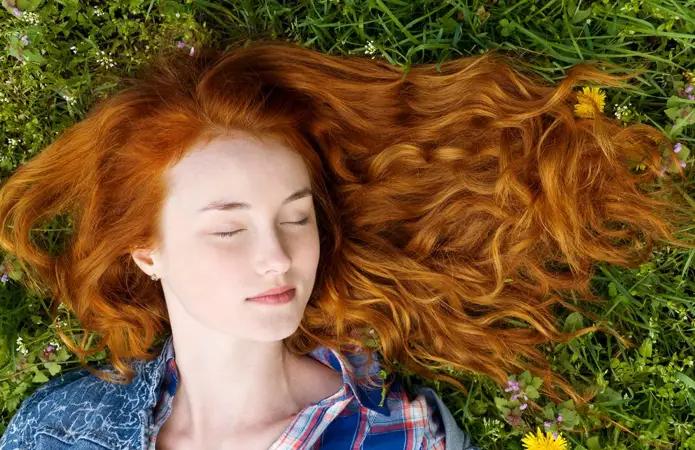

There is no scientific evidence that naturally having orange (red) hair directly improves overall health. However, people with natural orange or red hair often have unique genetic traits—primarily related to variations in the MC1R (melanocortin 1 receptor) gene—that may influence vitamin D production, pain sensitivity, anesthesia response, skin cancer risk, and certain neurological pathways. Some of these differences may offer advantages in specific environments, while others require additional health precautions.
KumDi.com
Natural orange hair is one of the rarest genetic traits in the world, found in only about 1–2% of the global population. While its striking appearance often attracts attention, many people wonder whether having orange hair comes with unique health benefits. Scientific research suggests that the answer is more complex than a simple yes or no. Natural orange hair is primarily linked to variations in the MC1R (melanocortin 1 receptor) gene, which can influence vitamin D synthesis, pain perception, skin sensitivity, and responses to certain anesthetic medications. Although orange hair does not automatically make someone healthier, understanding these genetic differences provides valuable insight into how hair color can affect human biology, medical care, and overall health.
Table of Contents
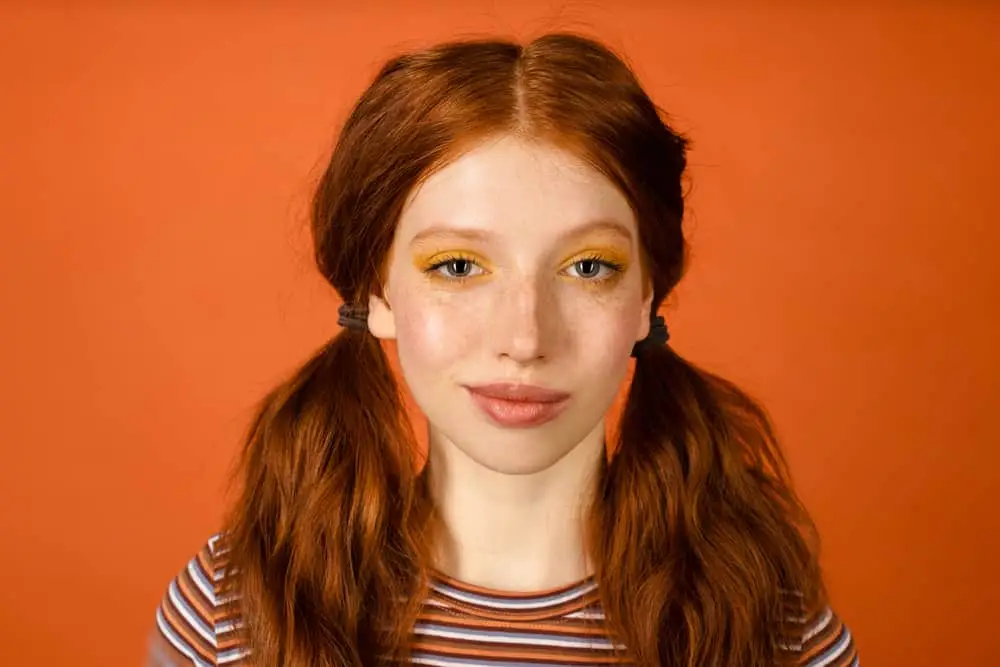
Health Benefits of Having Orange Hair: Separating Science from Myth
Orange hair—commonly called natural red hair—is one of the rarest human hair colors, occurring in only 1–2% of the world’s population. Because of its rarity, numerous myths have developed around redheads, ranging from unusual pain tolerance to enhanced immunity.
Modern genetics paints a more nuanced picture. Scientists have discovered that many characteristics associated with orange hair stem from variants of the MC1R gene, which regulates pigment production. These genetic differences do not make someone universally healthier, but they may influence several biological systems.
This article reviews what current research (through 2026) actually supports.
What Causes Orange Hair?
Natural orange hair results from increased production of pheomelanin, the reddish-yellow pigment responsible for red hair and many freckles.
Most people produce a mixture of:
- Eumelanin (brown-black pigment)
- Pheomelanin (red-yellow pigment)
Individuals with orange hair typically produce:
- Less eumelanin
- More pheomelanin
The change is largely caused by inherited MC1R gene variants.
Key Characteristics
People with natural orange hair often have:
- Fair skin
- Freckles
- Light-colored eyes (not always)
- Increased sensitivity to ultraviolet (UV) radiation
Does Orange Hair Provide Health Benefits?
The answer is yes—but only in certain biological contexts.
The advantages are subtle rather than dramatic.
1. Improved Vitamin D Production in Low Sunlight
One of the strongest evolutionary theories involves vitamin D.
Because fair skin contains less protective melanin, ultraviolet B (UVB) rays penetrate the skin more efficiently.
This allows faster production of:
- Vitamin D3
- Active vitamin D metabolites
Researchers believe this adaptation helped human populations living in northern Europe survive long winters with limited sunlight.
Potential Benefits
Maintaining adequate vitamin D supports:
- Bone strength
- Muscle function
- Immune regulation
- Mood regulation
- Calcium absorption
Important note:
This does not mean people with orange hair automatically have higher vitamin D levels. Lifestyle, diet, sunscreen use, age, and latitude remain much more important factors.
2. Possible Evolutionary Advantage in Northern Climates
Evolutionary biologists suggest that MC1R variants may have been naturally selected in regions with:
- Lower sunlight
- Frequent cloud cover
- Long winters
This adaptation likely improved survival through better vitamin D synthesis.
It represents an environmental advantage rather than a modern medical advantage.
3. Distinct Pain Processing
Research has consistently shown that some individuals with MC1R variants process pain differently.
This does not mean redheads feel more or less pain overall.
Instead, studies indicate differences depending on the type of pain involved.
Examples include:
- Increased sensitivity to thermal pain
- Reduced sensitivity to certain electrical pain stimuli
- Different responses to local anesthetics
- Different responses to opioid medications
These findings remain an active area of anesthesiology research.
4. Unique Responses to Anesthesia
Perhaps the best-known scientific finding involves anesthesia.
Multiple clinical studies suggest that some natural redheads require:
- Higher doses of inhaled general anesthetics
- Different pain management strategies
- Careful adjustment of local anesthesia
This is not a health benefit by itself.
However, increasing awareness among healthcare professionals improves patient safety and individualized care.
5. Increased Medical Awareness
Because MC1R-associated traits have been extensively studied, many clinicians now recognize that red-haired patients may benefit from individualized assessments during:
- Surgery
- Dental procedures
- Pain management
- Dermatology visits
Personalized medicine represents an indirect healthcare advantage.
Potential Health Risks Associated with Orange Hair
Understanding benefits requires understanding the associated risks.
Increased Skin Cancer Risk
The largest health concern is ultraviolet damage.
Fair skin burns more easily because it contains less protective eumelanin.
Higher risks include:
- Basal cell carcinoma
- Squamous cell carcinoma
- Melanoma
This increased risk is well documented.
Recommended prevention includes:
- SPF 30 or higher sunscreen
- Protective clothing
- Routine skin examinations
- Avoiding tanning beds
Greater Sunburn Susceptibility
Many people with orange hair experience:
- Faster sunburn
- Increased UV sensitivity
- Longer recovery after excessive sun exposure
Preventing burns significantly reduces long-term skin damage.
Freckling
Freckles themselves are harmless.
However, they indicate increased UV sensitivity, reinforcing the need for regular skin protection.
Common Myths About Orange Hair
Myth 1: Redheads Have Superhuman Immunity
False.
There is no evidence that orange-haired individuals have stronger immune systems.
Myth 2: Orange Hair Means Better Health
False.
Hair color alone does not predict health status.
Lifestyle remains far more important.
Myth 3: Redheads Feel No Pain
False.
Pain perception differs by stimulus but is not universally lower.
Myth 4: Orange Hair Is Caused by Diet
False.
Natural orange hair is genetic.
Diet cannot change genetically determined hair color.
The Genetics Behind Orange Hair
The MC1R gene influences signaling pathways controlling melanin production.
When MC1R activity decreases:
- Less eumelanin forms
- More pheomelanin forms
Scientists have identified dozens of MC1R variants.
Some variants produce brighter orange hair than others.
Not every person carrying MC1R variants has visibly orange hair because multiple genes influence pigmentation.
Could Orange Hair Affect Mental Health?
Current evidence does not show that orange hair directly affects:
- Intelligence
- Personality
- Emotional health
- Cognitive ability
However, psychological experiences may differ because of social factors.
For example:
- Childhood bullying
- Increased social attention
- Cultural stereotypes
These experiences vary widely and are unrelated to biology.
Does Orange Hair Change With Age?
Yes.
Many naturally orange-haired children experience gradual color changes.
Hair may become:
- Strawberry blonde
- Auburn
- Light brown
- Blonde
This occurs because melanin production changes throughout life.
Practical Health Tips for People With Orange Hair
Prioritize Skin Protection
Daily sunscreen remains one of the most important preventive measures.
Discuss Hair Color With Healthcare Providers
Inform dentists and anesthesiologists about natural red hair before procedures, especially if previous anesthesia required adjustments.
Monitor Vitamin D
Although fair skin produces vitamin D efficiently, deficiency is still common.
Individuals living in northern climates should follow medical guidance regarding testing and supplementation when appropriate.
Schedule Routine Skin Checks
Annual skin examinations can detect skin cancers early, particularly for individuals with numerous freckles or significant sun exposure history.
FAQs
Is orange hair healthier than other hair colors?
No. Natural orange hair does not inherently make someone healthier. Certain genetic traits may provide specific physiological differences, but overall health depends far more on lifestyle, environment, and medical care.
Why do people with orange hair often have fair skin?
The same MC1R gene variants that promote pheomelanin production also reduce eumelanin, resulting in lighter skin pigmentation.
Can orange-haired people produce vitamin D more efficiently?
Fair skin generally synthesizes vitamin D more efficiently under limited UVB exposure, but vitamin D status still depends on factors such as sun exposure, diet, age, and geographic location.
Do redheads always need more anesthesia?
Not always. Some studies suggest that individuals with certain MC1R variants may require higher doses of specific anesthetic agents, but responses vary between individuals and procedures.
Is orange hair linked to longer life expectancy?
There is currently no scientific evidence that natural orange hair increases lifespan.
Key Takeaways
Natural orange hair is a rare genetic trait primarily associated with MC1R gene variants and increased production of pheomelanin. While it does not confer broad health advantages, research suggests several biologically meaningful differences, including more efficient vitamin D synthesis under low sunlight, altered pain perception, and unique responses to certain anesthetic medications. At the same time, fair skin commonly associated with orange hair increases susceptibility to sunburn and skin cancer, making sun protection essential. Understanding these evidence-based differences helps individuals and healthcare providers make informed decisions while avoiding common myths about red hair.
References
- National Institutes of Health (NIH). Genetics Home Reference / MedlinePlus Genetics: MC1R gene.
- American Academy of Dermatology (AAD). Skin Cancer Prevention Guidelines.
- National Cancer Institute (NCI). Skin Cancer Prevention and Risk Factors.
- Rees JL. The Genetics of Sun Sensitivity in Humans. Annual Review of Genetics.
- Liem EB, et al. Anesthetic Requirement Is Increased in Redheads. Anesthesiology.
- World Health Organization (WHO). Ultraviolet Radiation and Health.
- Institute of Medicine (National Academies). Dietary Reference Intakes for Calcium and Vitamin D.



 and then