








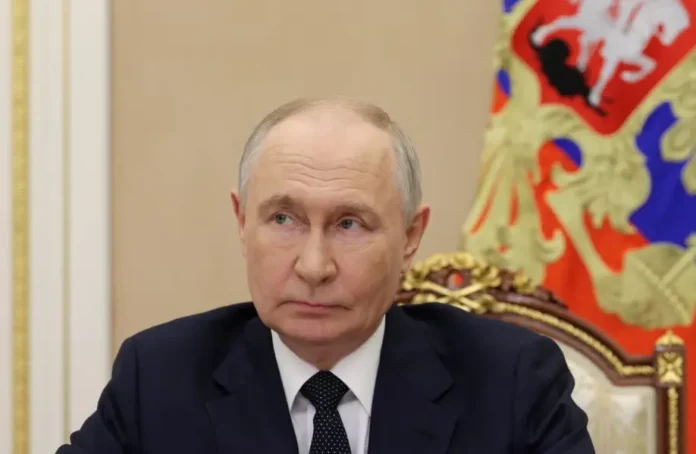

A realistic way to end the Ukraine–Russia war in 2026 would combine a verified ceasefire, international monitoring, security guarantees for Ukraine, humanitarian agreements, and long-term diplomatic negotiations. Experts generally agree that lasting peace is more likely to result from a phased political process supported by international cooperation than from a single military outcome.
KumDi.com
The central question many policymakers, analysts, and citizens continue to ask in 2026 is simple: How can the Ukraine–Russia war realistically come to an end?
The most credible answer is that lasting peace is unlikely to result from a single military victory or one diplomatic meeting. Instead, it would require a combination of sustained military deterrence, negotiated ceasefire arrangements, international security guarantees, economic incentives, humanitarian measures, and long-term political dialogue. Experience from previous conflicts demonstrates that durable peace is usually achieved through gradual agreements rather than sudden breakthroughs.
The most realistic pathway to ending the Ukraine–Russia war in 2026 includes:
- A mutually verified ceasefire
- International monitoring and enforcement
- Security guarantees for Ukraine
- Continued deterrence against renewed aggression
- Humanitarian agreements
- Prisoner exchanges
- Economic reconstruction
- Long-term diplomatic negotiations regarding disputed territories
- International support from multiple global stakeholders
No single measure is sufficient. Sustainable peace generally requires these elements working together over an extended period.
Table of Contents
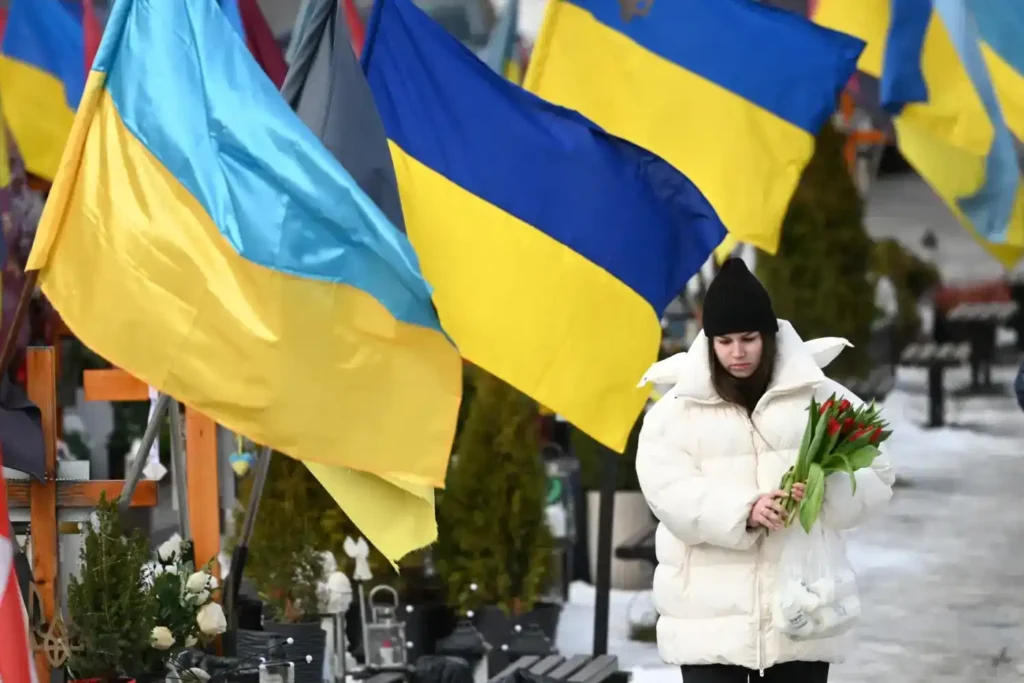
Why the War Has Been So Difficult to End
The conflict involves far more than battlefield dynamics. Several interconnected factors continue to complicate negotiations.
Territorial Disputes
The status of occupied territories remains one of the largest obstacles. Each side maintains fundamentally different legal and political positions regarding sovereignty, making compromise exceptionally difficult.
Security Concerns
Ukraine seeks credible protection against future attacks.
Russia has consistently cited NATO expansion and regional security as central concerns in its public statements.
Bridging these opposing security priorities requires arrangements that reduce the risk of renewed conflict while respecting international law.
Domestic Political Pressures
Leaders on both sides face significant domestic expectations.
Governments must consider:
- Public opinion
- Military morale
- Economic conditions
- National identity
- Political legitimacy
These internal pressures often limit negotiating flexibility.
International Involvement
The conflict affects global security.
Major stakeholders include:
- European countries
- The United States
- NATO members
- China
- Türkiye
- Gulf states
- International organizations
Each actor has distinct strategic interests, making comprehensive diplomacy more complex.
What History Suggests About Ending Long Wars
Historical experience shows that wars of this scale rarely end through one decisive event.
Examples include:
- The Korean Armistice (1953)
- The Dayton Peace Agreement (Bosnia)
- The Good Friday Agreement (Northern Ireland)
- Various UN-mediated ceasefire arrangements
Common characteristics include:
- Extended negotiations
- Third-party mediation
- Security monitoring
- Confidence-building measures
- Economic recovery programs
These cases illustrate that peace agreements often evolve through multiple stages rather than one comprehensive settlement.
Step 1: Establish a Verified Ceasefire
The immediate objective would likely be reducing active combat.
A credible ceasefire generally includes:
- Clearly defined front lines
- Independent monitoring teams
- Satellite verification
- Drone surveillance
- Reporting mechanisms
- Investigation of violations
International verification reduces misunderstandings and increases accountability.
Step 2: Strengthen International Monitoring
Ceasefires require trusted oversight.
Possible mechanisms include:
| Function | Purpose |
|---|---|
| Satellite monitoring | Verify troop movements |
| Independent observers | Investigate violations |
| Drone surveillance | Monitor buffer zones |
| Joint communication channels | Prevent accidental escalation |
| Rapid response teams | Address reported incidents |
Modern technology significantly improves ceasefire verification compared with previous decades.
Step 3: Security Guarantees
One of the most important questions is how future conflict could be prevented.
Potential approaches discussed by international security experts include:
- Bilateral defense agreements
- Long-term military assistance
- Defensive weapon support
- Security partnerships
- Multinational guarantees
- Continued military training
The precise structure remains politically sensitive and would depend on negotiations among multiple governments.
Step 4: Humanitarian Measures
Humanitarian cooperation can build trust even before political disputes are resolved.
Important priorities include:
- Prisoner exchanges
- Civilian evacuations
- Return of displaced families
- Missing persons investigations
- Protection of nuclear facilities
- Food security
- Medical assistance
These measures improve civilian welfare while creating opportunities for broader diplomatic engagement.
Step 5: Reconstruction Planning
Ending active fighting is only the beginning.
Ukraine faces enormous reconstruction needs involving:
- Housing
- Transportation
- Energy infrastructure
- Schools
- Hospitals
- Water systems
- Telecommunications
International financial institutions and partner governments would likely play major roles in financing recovery efforts.
Step 6: Long-Term Negotiations
Many experts believe territorial issues may require years rather than months to resolve.
Long-term diplomatic discussions could address:
- Borders
- Security arrangements
- Economic cooperation
- Sanctions
- Maritime access
- Energy infrastructure
- Cross-border trade
History suggests unresolved territorial disputes sometimes remain under negotiation long after ceasefires take effect.
Economic Incentives Can Support Peace
Economic recovery often reinforces political stability.
Potential initiatives include:
- Reconstruction investment
- Infrastructure financing
- Agricultural recovery
- Energy sector modernization
- International development loans
- Private-sector investment
Improving living standards can reduce incentives for renewed conflict.
The Importance of International Institutions
Organizations such as the United Nations, the Organization for Security and Co-operation in Europe (OSCE), the International Committee of the Red Cross (ICRC), and international financial institutions have experience supporting ceasefires, humanitarian operations, monitoring missions, and post-conflict reconstruction.
Their roles may include:
- Monitoring agreements
- Delivering humanitarian aid
- Facilitating negotiations
- Supporting reconstruction
- Coordinating international assistance
Challenges That Could Delay Peace
Several obstacles remain significant.
Lack of Trust
Years of conflict have created deep distrust between governments.
Confidence-building measures require time.
Military Calculations
If either side believes additional military gains are achievable, incentives for compromise decrease.
Political Constraints
Domestic politics may limit acceptable concessions.
Leaders must balance diplomatic opportunities with national expectations.
Security Risks
Any ceasefire without effective monitoring risks renewed hostilities.
History shows poorly enforced ceasefires often collapse.
What Would a Successful Peace Process Look Like?
A durable peace process might unfold in stages:
Phase 1
- Reduction in hostilities
- Humanitarian corridors
- Prisoner exchanges
Phase 2
- Verified ceasefire
- International monitoring
- Limited troop disengagement
Phase 3
- Security guarantees
- Reconstruction funding
- Economic recovery
Phase 4
- Long-term negotiations
- Political normalization
- Regional economic cooperation
This phased approach reflects how many complex international conflicts have been managed historically.
FAQs
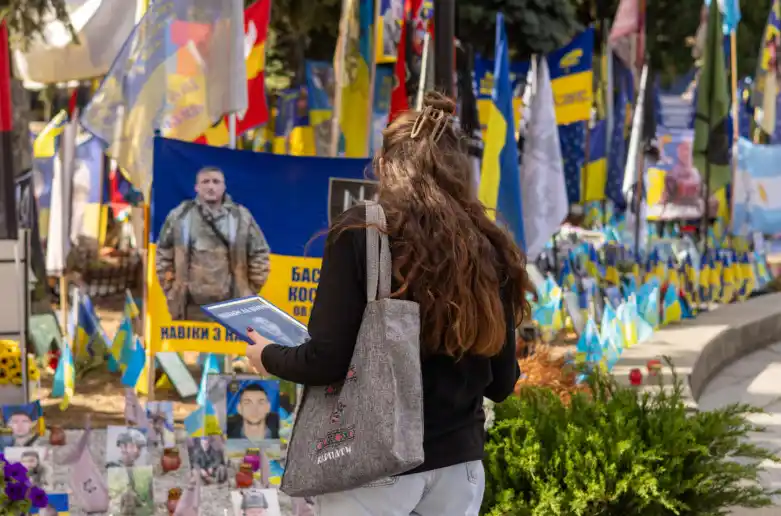
Can the war end through military victory alone?
Many security analysts argue that a durable resolution is more likely to require both military deterrence and negotiated political agreements. History suggests that lasting peace often depends on addressing underlying security and political issues, not solely battlefield outcomes.
Why are ceasefires difficult to maintain?
Ceasefires can fail because of mistrust, unclear terms, disputed violations, political pressures, or insufficient monitoring. Independent verification and communication channels are commonly used to reduce these risks.
What role does reconstruction play?
Reconstruction helps restore infrastructure, public services, and economic activity. Successful recovery can improve stability and reduce incentives for renewed conflict.
How long could negotiations take?
Major international peace processes have often taken several years. Comprehensive agreements usually involve multiple stages rather than a single settlement.
Key Takeaways
Ending the Ukraine–Russia war in 2026 would likely require far more than a ceasefire alone. A sustainable outcome depends on combining security, diplomacy, humanitarian action, reconstruction, and international cooperation into a coordinated long-term process.
The most widely discussed framework among conflict-resolution specialists includes:
- Verified ceasefire mechanisms
- International monitoring
- Security guarantees
- Humanitarian cooperation
- Economic reconstruction
- Long-term diplomatic negotiations
- Continued international engagement
While no roadmap guarantees success, historical evidence suggests that durable peace is most likely when military, political, humanitarian, and economic measures reinforce one another. The timing, terms, and eventual settlement remain uncertain and depend on decisions by the parties directly involved, as well as ongoing international diplomatic efforts.




 and then