








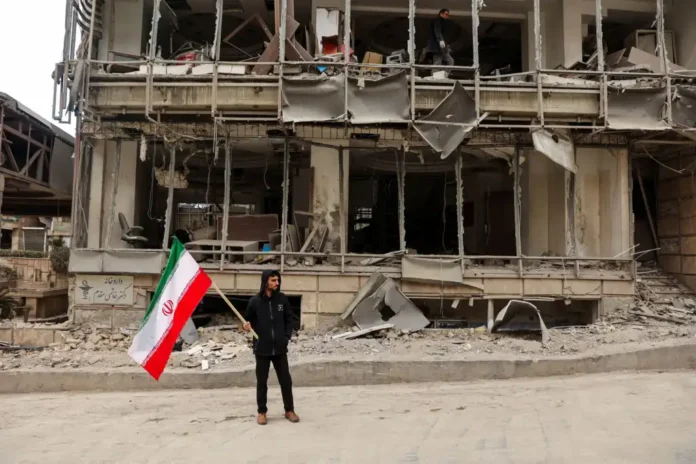

What will happen if the U.S. defeats Iran?
KumDi.com
If the United States defeats Iran militarily, the immediate result would likely be the destruction of much of Iran’s conventional military infrastructure and a significant reduction in its ability to project regional power. However, a military victory would not automatically bring long-term peace. The aftermath could include political instability, humanitarian challenges, economic disruption, higher global oil prices, and shifting security dynamics across the Middle East. The long-term outcome would largely depend on post-conflict governance, diplomatic efforts, and regional cooperation rather than military success alone.
If the United States were to militarily defeat Iran, the outcome would not necessarily result in long-term peace or stability. While Iran’s conventional military capabilities could be severely degraded, the aftermath would likely involve complex political, economic, humanitarian, and regional security challenges. The ultimate consequences would depend on what “defeat” means—whether it refers to destroying military infrastructure, forcing political concessions, occupying territory, or contributing to regime change.
Modern military history demonstrates that winning a war and achieving lasting strategic success are often very different objectives. Experiences in Iraq (2003), Afghanistan (2001–2021), and Libya (2011) illustrate that removing or weakening a government can create prolonged instability if no sustainable political solution follows.
Table of Contents
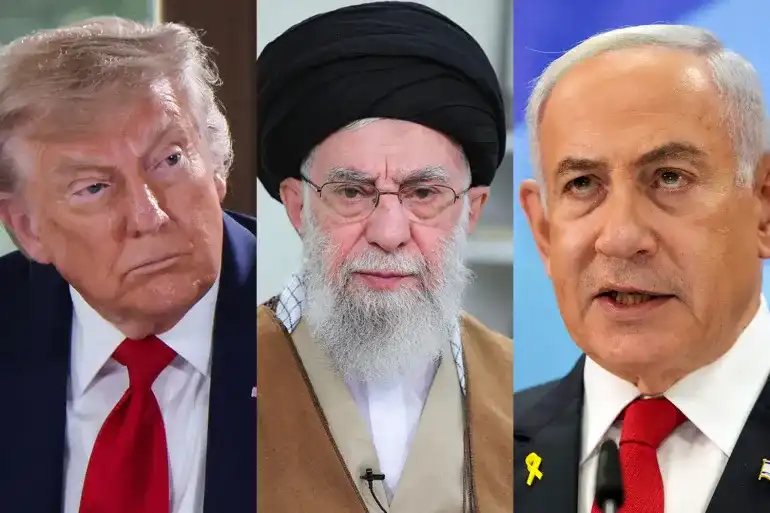
What Does “Defeating Iran” Actually Mean?
The phrase “defeating Iran” can refer to several very different scenarios.
Possible interpretations include:
- Destroying Iran’s conventional military capabilities
- Eliminating Iran’s nuclear infrastructure
- Forcing Iran into a negotiated settlement
- Removing the current government
- Occupying Iranian territory
- Ending Iran’s ability to project influence through regional proxy groups
Each scenario produces dramatically different geopolitical outcomes.
Iran’s Strategic Position in 2026
Iran occupies one of the world’s most strategically important regions.
It borders:
- Iraq
- Turkey
- Armenia
- Azerbaijan
- Turkmenistan
- Afghanistan
- Pakistan
It also controls much of the northern coastline of the Persian Gulf and overlooks the Strait of Hormuz, through which a significant share of global oil exports passes.
Iran has developed:
- Ballistic missile forces
- Large drone programs
- Cyber warfare capabilities
- Naval forces specialized in asymmetric warfare
- Regional partnerships with armed groups across the Middle East
These capabilities mean that even if Iran’s conventional military suffered major losses, the conflict’s effects could continue through other forms of warfare.
Immediate Military Consequences
If the U.S. achieved overwhelming military superiority, several outcomes would likely occur during the initial phase.
Destruction of Military Infrastructure
Likely targets would include:
- Air defense systems
- Missile launch facilities
- Military command centers
- Naval bases
- Air force installations
- Weapons production facilities
The United States possesses significant advantages in:
- Stealth aircraft
- Precision-guided weapons
- Intelligence and surveillance
- Naval power
- Electronic warfare
Iran’s conventional military would likely experience severe degradation.
Cyber Operations
Modern conflicts extend far beyond conventional combat.
Both countries possess cyber capabilities.
Potential targets include:
- Banking systems
- Energy infrastructure
- Military communications
- Transportation networks
- Government databases
Cyber attacks may continue long after major combat operations end.
Political Consequences Inside Iran
Military defeat does not automatically determine political outcomes.
Several possibilities exist.
Scenario 1: Government Remains in Power
The leadership could survive while accepting military losses.
Possible consequences include:
- Internal political restructuring
- Increased domestic security measures
- Economic reforms
- Diplomatic negotiations
Scenario 2: Leadership Change
If the government collapsed, Iran could enter a period of political uncertainty.
Possible developments include:
- Transitional government
- Internal power struggles
- Constitutional reforms
- Elections
- Competing political factions
History suggests that transitions following armed conflict are often lengthy and unpredictable.
Scenario 3: Fragmentation
Although less certain, prolonged instability could create regional fragmentation if central authority weakened significantly.
Such outcomes have occurred in other conflict zones but should not be assumed.
Regional Security Impacts
Iran plays an important role throughout the Middle East.
Changes inside Iran would affect many neighboring countries.
Potential regional consequences include:
- Changes in security dynamics in Iraq
- Increased uncertainty in Syria
- Shifts in Lebanon’s political landscape
- Security concerns in the Persian Gulf
- Border management challenges
Regional governments would likely increase military readiness while seeking diplomatic solutions.
What Happens to Iran’s Proxy Networks?
Iran has long maintained relationships with armed groups across the Middle East.
If Iran’s government lost significant military capability, support for these groups could decline.
However, some organizations possess independent funding, leadership, and local political influence.
Therefore:
- Some groups may weaken.
- Others could continue operating independently.
- Local conflicts may persist even if Iranian support decreases.
Global Oil Markets
One of the largest global concerns would involve energy supplies.
Strait of Hormuz
A large percentage of internationally traded crude oil passes through this narrow waterway.
Any disruption could lead to:
- Higher oil prices
- Increased shipping costs
- Rising fuel prices
- Inflation
- Financial market volatility
Even temporary disruptions often affect global markets within days.
Humanitarian Consequences
Modern warfare produces significant humanitarian challenges.
Possible impacts include:
- Civilian displacement
- Damage to hospitals
- Interrupted medical care
- Food supply disruptions
- Water and electricity shortages
International organizations would likely coordinate humanitarian assistance if civilian infrastructure suffered extensive damage.
Economic Consequences
For Iran
Military conflict could affect:
- Oil exports
- Banking
- Manufacturing
- Foreign investment
- Employment
- Infrastructure
Economic recovery could require many years depending on the extent of damage.
For the United States
Even a military victory carries costs.
Potential impacts include:
- Higher defense spending
- Long-term regional commitments
- Increased veterans’ healthcare obligations
- Supply chain disruptions
- Higher energy prices
Military success does not eliminate economic consequences.
Impact on Global Financial Markets
Financial markets generally react quickly to geopolitical uncertainty.
Potential short-term effects include:
| Sector | Possible Impact |
|---|---|
| Oil | Price increases |
| Gold | Higher demand as a safe-haven asset |
| Stock Markets | Increased volatility |
| Shipping | Rising insurance costs |
| Airlines | Higher fuel expenses |
The duration of these effects would depend largely on how quickly stability returned.
Nuclear Implications
One major objective in any conflict could involve Iran’s nuclear infrastructure.
Possible outcomes include:
- Destruction of enrichment facilities
- International monitoring agreements
- Renewed diplomatic negotiations
- Long-term inspection programs
However, military action alone may not permanently eliminate nuclear knowledge or technical expertise.
Many experts argue that lasting non-proliferation typically requires diplomatic verification alongside security measures.
Could the U.S. Occupy Iran?
A full occupation would present extraordinary logistical challenges.
Iran has:
- A population exceeding 90 million.
- Mountainous terrain.
- Large urban centers.
- Extensive transportation networks.
- Significant geographic size.
Military analysts generally view long-term occupation as substantially more difficult than previous campaigns in Iraq or Afghanistan due to Iran’s size, population, and geography.
Lessons from Previous Conflicts
Historical experience provides important context.
Iraq (2003)
Military victory occurred rapidly.
However:
- Insurgency followed.
- Political reconstruction proved difficult.
- Long-term stability required many years.
Afghanistan
Initial military objectives were achieved relatively quickly.
Long-term governance challenges continued for two decades.
Libya
Military intervention weakened the government.
Political fragmentation followed, illustrating that removing military capability does not automatically produce stable institutions.
These examples demonstrate why analysts distinguish between battlefield success and sustainable political outcomes.
Could Diplomacy Become Easier After a Military Defeat?
Possibly—but not necessarily.
Military pressure has sometimes led governments toward negotiations.
However, severe conflict can also:
- Increase nationalism.
- Reduce trust.
- Delay diplomatic engagement.
- Harden political positions.
Successful peace agreements generally require:
- Security guarantees
- International mediation
- Economic reconstruction
- Political inclusion
Possible Long-Term Outcomes
Several broad scenarios are conceivable.
Best-Case Scenario
- Hostilities end quickly.
- Diplomatic negotiations begin.
- Regional tensions gradually decrease.
- International sanctions evolve alongside verified agreements.
- Economic recovery begins.
Moderate Scenario
- Military conflict ends.
- Political uncertainty continues.
- Proxy conflicts gradually diminish.
- Reconstruction takes years.
Worst-Case Scenario
- Prolonged insurgency.
- Regional escalation.
- Global energy disruptions.
- Humanitarian crisis.
- Long-term instability affecting neighboring countries.
None of these outcomes is predetermined; the actual result would depend on military objectives, diplomatic efforts, regional responses, and post-conflict governance.
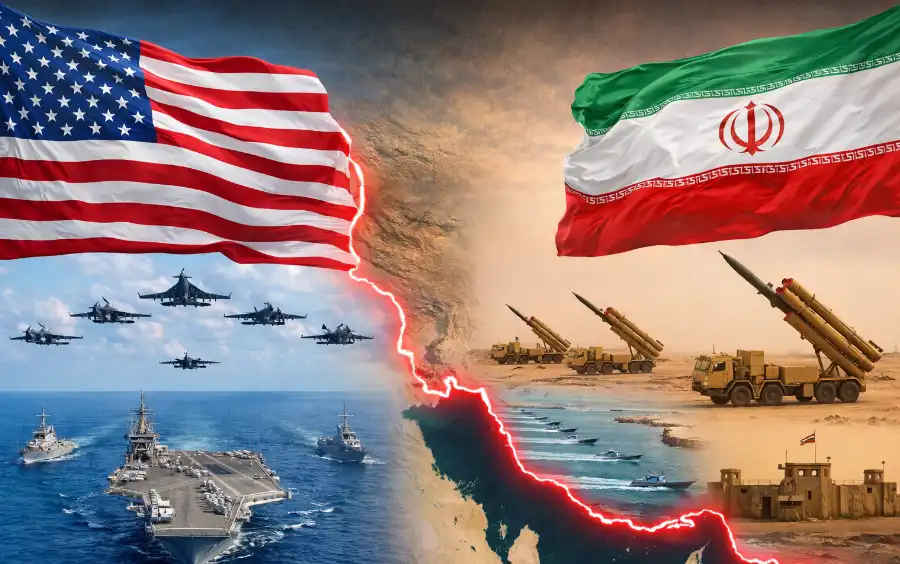
FAQs
What does it mean if the U.S. “defeats” Iran?
A U.S. defeat of Iran could refer to several different outcomes, including destroying Iran’s military capabilities, disabling its nuclear facilities, forcing political concessions, or contributing to regime change. Each scenario would have very different political, military, and economic consequences, making the term “defeat” highly context-dependent.
Would a U.S. military victory over Iran bring peace to the Middle East?
Not necessarily. While Iran’s military influence could be significantly reduced, regional conflicts involve multiple governments, armed groups, and longstanding political disputes. A military victory alone would not automatically resolve these underlying issues, and stability would depend on effective diplomacy and post-conflict governance.
How would a conflict between the U.S. and Iran affect the global economy?
A major conflict could disrupt oil exports through the Strait of Hormuz, potentially leading to higher energy prices, increased inflation, financial market volatility, and higher shipping and insurance costs. The overall economic impact would depend on the duration and severity of the disruption.
Could Iran recover after a military defeat?
Yes. History shows that countries can rebuild military capabilities and infrastructure over time. Iran’s recovery would depend on factors such as political stability, economic reconstruction, international sanctions, foreign investment, and future diplomatic agreements.
Is a military victory enough to achieve long-term strategic success?
History suggests that military success and lasting political stability are not the same. Previous conflicts in Iraq, Afghanistan, and Libya demonstrate that long-term peace often requires reconstruction, functioning institutions, economic recovery, and sustained diplomatic engagement in addition to battlefield victories.
Conclusion
If the United States were to militarily defeat Iran, the consequences would extend far beyond the battlefield. Conventional military capabilities might be significantly weakened, but the broader effects would include political uncertainty, humanitarian concerns, economic disruption, regional security challenges, and potential shifts in global energy markets.
Historical experience suggests that military success is only one component of a broader strategic outcome. Long-term stability typically depends on effective diplomacy, governance, reconstruction, and international cooperation. As of 2026, most defense and foreign policy experts emphasize that while military force can alter the balance of power, achieving durable peace requires political solutions that address the underlying causes of conflict.




 and then