








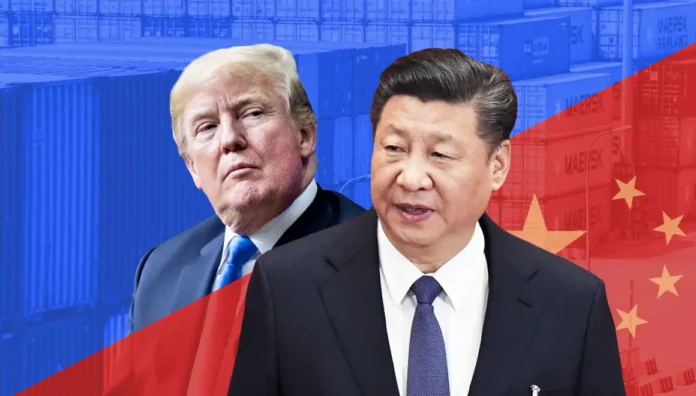

The ongoing trade tensions between the United States and China have reached a boiling point, with both nations employing a range of strategies to assert their economic interests. Following the implementation of a 10% tariff on Chinese imports by the U.S., China has retaliated with its own set of countermeasures. These actions not only highlight the complexities of international trade but also set the stage for a potential escalation in the ongoing trade war.

The Tariff Landscape: An Overview
The trade conflict between the U.S. and China is not a new phenomenon; it has been building for several years. The introduction of tariffs by the U.S. government, particularly under the Trump administration, has prompted a series of retaliatory measures from Beijing.
Historical Context
- Initial Tariffs: The U.S. began imposing tariffs on a range of Chinese goods in 2018, citing unfair trade practices and intellectual property theft.
- Escalation: As the U.S. ramped up its tariffs, China responded in kind, targeting American products and industries.
- Current Situation: The latest round of tariffs has introduced a 10% levy on all Chinese imports, prompting China to retaliate.
Economic Implications
The tariffs have significant implications for both economies:
- Increased Costs: Tariffs lead to higher costs for consumers and businesses as import prices rise.
- Supply Chain Disruptions: Companies relying on imported goods face disruptions, leading to potential losses and a reevaluation of supply chains.
- Market Volatility: The uncertainty surrounding tariffs can lead to fluctuations in stock markets and investment decisions.
China’s Retaliatory Measures
In response to the U.S. tariffs, China has implemented several countermeasures that target specific American goods and industries.
Tariffs on U.S. Goods
One of the primary responses from China has been the introduction of tariffs on various U.S. products:
- Coal and Natural Gas: China has imposed a 10% tariff on U.S. coal and liquefied natural gas (LNG) imports, along with a 15% tariff on crude oil. This move aims to reduce reliance on American fossil fuels and encourages domestic sourcing.
- Agricultural Machinery and Vehicles: The Chinese government has also placed a 10% tariff on agricultural machinery, pickup trucks, and certain large vehicles. This decision aligns with China’s goals of boosting its domestic industries and reducing imports.
Non-Tariff Measures
Beyond tariffs, China has explored non-tariff measures to exert pressure on the U.S. economy.
- Investigations into U.S. Companies: China has launched anti-monopoly investigations into major American tech firms, such as Google, signaling a willingness to challenge U.S. corporate interests.
- Unreliable Entities List: The inclusion of American companies like Calvin Klein on China’s “unreliable entities” list serves as a warning to businesses that engage in practices deemed discriminatory against Chinese firms.
The Impact on Global Trade
The trade war between the U.S. and China has far-reaching implications for global trade dynamics.
Shifts in Supply Chains
As tariffs create barriers, companies are reevaluating their supply chains:
- Diversification: Businesses are looking to diversify their supply chains to mitigate risks associated with tariffs.
- Emerging Markets: Countries like Vietnam and India are becoming attractive alternatives for manufacturing and sourcing goods.
Economic Slowdown
The trade conflict could lead to a broader economic slowdown:
- Consumer Spending: Higher prices due to tariffs may dampen consumer spending, impacting economic growth.
- Business Investment: Uncertainty surrounding trade policies can lead to reduced business investment, further slowing economic activity.
The Role of Technology in Trade Relations
Technology plays a crucial role in the U.S.-China trade relationship, with both nations vying for dominance in key sectors.
Intellectual Property Concerns
The U.S. has long accused China of stealing intellectual property, leading to heightened tensions:
- Trade Secrets: American companies are concerned about the protection of their trade secrets and patents in China.
- Innovation: The competition for technological supremacy drives both countries to invest heavily in research and development.
The Future of Tech Trade
As technology becomes increasingly intertwined with trade, the future of U.S.-China relations may hinge on how both nations navigate this complex landscape.
- Collaboration vs. Competition: There is potential for collaboration in areas like climate change and public health, but competition in technology remains fierce.
- Regulatory Challenges: Both countries may face regulatory hurdles as they attempt to balance national security concerns with economic cooperation.
The Political Landscape
The trade war is not only an economic issue but also a political one, influencing domestic and international relations.
Domestic Politics in the U.S.
The trade conflict has significant implications for U.S. politics:
- Public Opinion: The impact of tariffs on consumers can sway public opinion, affecting electoral outcomes.
- Bipartisan Concerns: Both parties express concerns over the implications of trade policies, leading to discussions about the future of U.S.-China relations.
China’s Political Strategy
China’s response to U.S. tariffs is also influenced by its political landscape:
- Nationalism: The Chinese government may leverage nationalist sentiments to rally support for its trade policies.
- Global Positioning: China seeks to position itself as a leader in global trade, countering U.S. influence.
The Future of U.S.-China Trade Relations
As the trade war continues, the future of U.S.-China relations remains uncertain.
Potential Resolutions
While tensions are high, there are avenues for resolution:
- Negotiations: Diplomatic talks between the two nations could lead to compromises on tariffs and trade practices.
- Global Cooperation: Collaborative efforts to address global challenges, such as climate change, may provide a platform for improved relations.
Long-Term Implications
The long-term implications of the trade war could reshape global trade dynamics:
- New Alliances: Countries may form new trade alliances in response to the shifting landscape.
- Economic Realignment: The global economy may experience a realignment as nations adapt to changing trade policies.

Conclusion: Navigating the Trade War
The trade war between the U.S. and China is a complex and evolving issue with significant implications for both nations and the global economy. As both countries navigate their responses to tariffs, the outcome will shape the future of international trade relations.
Understanding the nuances of this conflict is crucial for businesses, policymakers, and consumers alike, as the decisions made today will resonate for years to come.




 and then