









KumDi.com
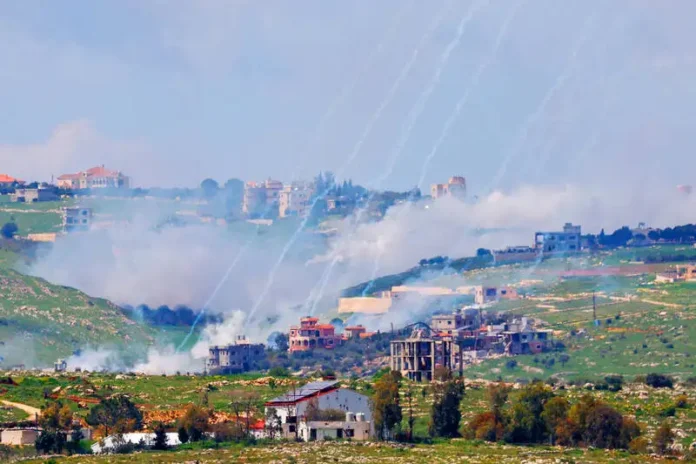
Recent reports that Israel has destroyed entire villages in Lebanon point to an escalation in military operations targeting infrastructure and areas allegedly linked to Hezbollah. Part of rising tensions along the border, these actions—driven by cross-border attacks and security concerns—have involved airstrikes, artillery, and ground incursions, leading to widespread displacement, infrastructure damage, and growing international concern over potential violations of humanitarian law.
The border between Israel and Lebanon has long been volatile, particularly since the 2006 Israel–Hezbollah War. Since late 2023 and continuing into 2026, tensions have escalated significantly due to:
- Increased cross-border rocket fire
- Israeli retaliatory strikes
- Regional spillover from the Gaza conflict
- Expanded involvement of non-state armed groups
Key Actors
- Israel Defense Forces (IDF) – Conducts strikes aimed at neutralizing threats
- Hezbollah – Controls large areas in southern Lebanon and engages in armed conflict
- United Nations Interim Force in Lebanon (UNIFIL) – Peacekeeping presence attempting to stabilize the region
Table of Contents
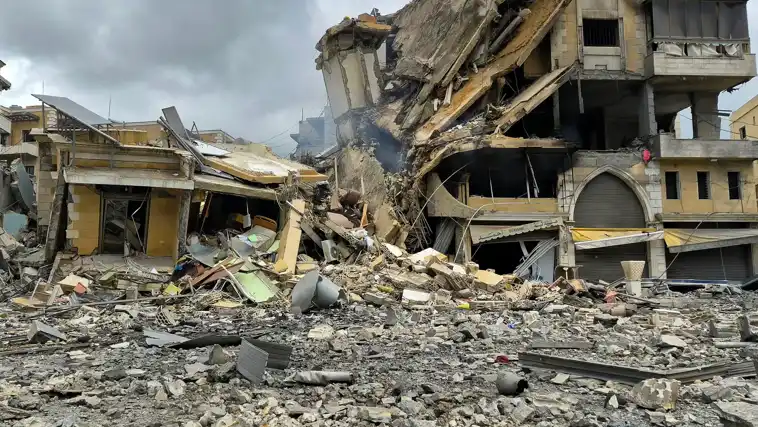
What Does “Destroying Entire Villages” Actually Mean?
The phrase often appears in headlines but requires precise interpretation.
Operational Reality
In military terms, this can involve:
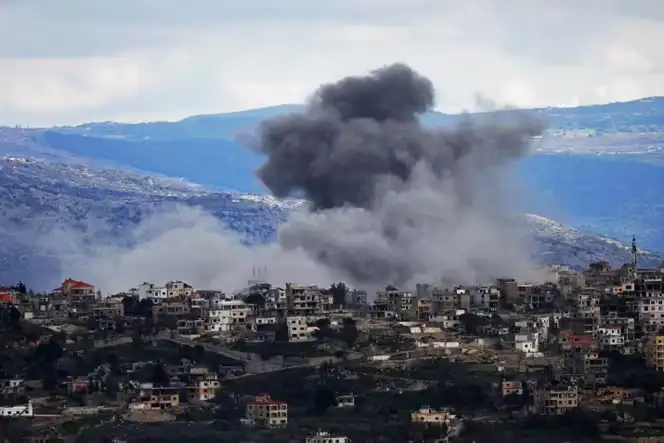
- Widespread aerial bombardment of suspected militant zones
- Destruction of buildings, roads, and utilities
- Targeting of weapons depots embedded in civilian areas
Why Villages Are Impacted
Southern Lebanon villages are often:
- Close to the Israeli border
- Used (allegedly) for weapons storage or launch sites
- Strategically important for surveillance and logistics
This leads to high-density strikes, sometimes resulting in near-total destruction of small communities.
Military Justifications vs. Humanitarian Concerns
Israel’s Position
Israel states that:
- Strikes are targeted at militant infrastructure
- Civilian harm is unintended but unavoidable due to Hezbollah’s embedding in populated areas
- Operations are conducted under self-defense principles
International Concerns
Organizations like the United Nations and Human Rights Watch raise concerns about:
- Disproportionate use of force
- Collective punishment implications
- Violations of International Humanitarian Law (IHL)
Human Impact: Displacement and Civilian Risk
Civilian Consequences
- Tens of thousands displaced across southern Lebanon
- Destruction of homes, schools, and hospitals
- Limited access to food, water, and medical care
Real-World Scenario
In multiple border towns, entire populations have evacuated within hours following warnings or active bombardment. Infrastructure damage often prevents return for months—or longer.
Strategic Objectives Behind Village-Level Destruction
From a military strategy perspective, these operations aim to:
1. Create Buffer Zones
- Push hostile forces further from the border
- Reduce rocket launch proximity
2. Disrupt Logistics
- Destroy supply routes and storage facilities
- Limit movement of weapons and fighters
3. Signal Deterrence
- Demonstrate overwhelming force to prevent escalation
However, such strategies often come with long-term geopolitical costs, including radicalization and instability.
Legal Framework: Is It Allowed Under International Law?
Relevant Laws
- Geneva Conventions
- Principle of Distinction (combatants vs civilians)
- Principle of Proportionality
Legal Debate
Experts disagree on whether:
- The scale of destruction is proportionate to military objectives
- Adequate warnings and evacuation opportunities are provided
Violations, if proven, could constitute war crimes, though enforcement remains complex.
Regional and Global Implications
Middle East Stability
The escalation risks:
- Expanding into a broader regional war
- Involving actors such as Iran
- Disrupting global energy and trade routes
Diplomatic Fallout
- Increased pressure on Western allies of Israel
- Calls for ceasefire resolutions at the UN
- Strained relations between Lebanon and international donors
Information Challenges: Media, Propaganda, and Verification
Why Reports Vary
- Limited journalist access to active conflict zones
- Competing narratives from involved parties
- Use of satellite imagery vs on-ground verification
Best Practice for Readers
Rely on:
- Multiple international news sources
- Verified NGO reports
- Satellite-based assessments
Possible Outcomes and Future Scenarios
Scenario 1: De-escalation
- Negotiated ceasefire
- UN-mediated buffer zones
Scenario 2: Prolonged Conflict
- Continued strikes and counterattacks
- Increasing humanitarian crisis
Scenario 3: Regional War Expansion
- Direct involvement of additional countries
- Broader Middle East destabilization
Expert Insight: What History Suggests
From a geopolitical analysis standpoint:
- Destruction of civilian areas rarely leads to long-term stability
- It often deepens grievances and prolongs conflict cycles
- Reconstruction costs can take decades and reshape national economies
Historical parallels (e.g., 2006 Lebanon war, Syria conflict) show that military gains can be offset by political and humanitarian consequences.
Practical Takeaways for Readers
- The phrase “entire villages destroyed” reflects intense localized military operations, not necessarily uniform nationwide destruction
- The situation is complex, involving both security concerns and humanitarian risks
- Understanding requires separating verified facts from political narratives
Conclusion
The claim that Israel is destroying entire villages in Lebanon reflects a real and serious escalation, but one that must be understood within a broader military, legal, and geopolitical framework. While Israel cites security imperatives, the humanitarian cost and legal scrutiny continue to grow.
For policymakers, analysts, and global observers, the key issue is no longer just what is happening, but whether current strategies will produce lasting security—or deepen instability across the region.
FAQs
Is Israel intentionally targeting civilians in Lebanon?
Israel states it targets militant infrastructure, but critics argue civilian harm is excessive. The truth depends on specific incidents and legal interpretations.
Why are Lebanese villages heavily affected?
Many are located near conflict zones and are allegedly used by armed groups, making them strategic targets.
How many villages have been destroyed?
Numbers vary by source, and “destroyed” can mean anything from severe damage to total depopulation.
Is this legal under international law?
It depends on proportionality and intent. Some actions are under investigation by international bodies.
What can stop the conflict?
Diplomatic negotiations, ceasefires, and international pressure remain the primary pathways.




 and then